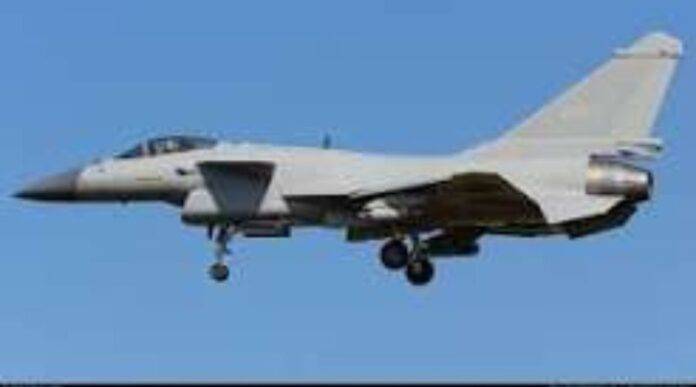

Bangladesh is moving closer to buying advanced J-10CE fighter jets from China as part of a major effort to modernise its air force and improve the country’s defence strength.
The Chinese-made fighter jet has received a lot of attention after its reported role in the India-Pakistan conflict of May 2025. Pakistan has claimed that its J-10CE fighter aircraft shot down Indian aircraft, including Rafale jets. These claims have helped increase international interest in the Chinese fighter, although some details about the reported air-to-air combat remain disputed.
Bangladesh has now taken a serious step towards the possible purchase. Officials have said that a draft agreement for the procurement of J-10CE multirole fighter jets and other military equipment has been prepared. The move could become one of the biggest defence purchases made by Bangladesh in recent years.
The planned deal shows Bangladesh’s growing interest in modern military technology from China, which has remained one of the country’s most important defence partners for many years.
Bangladesh Plans to Modernise Its Air Force
The Bangladesh government is working on a wider programme to upgrade the Bangladesh Air Force. The country is considering the purchase of modern multirole fighter aircraft, attack helicopters, VIP helicopters and unmanned aerial vehicle systems.
Prime Minister’s Adviser Zahed Ur Rahman has said that a committee has already held discussions and negotiations regarding the purchase of Chinese J-10CE fighter jets and attack helicopters. A draft agreement has reportedly been prepared and sent to the relevant authorities for approval.
If the required money is available in the current budget, the government may move ahead with the purchase during this financial year. If funding is not available, the procurement process could continue in the next budget cycle.
The main aim is to replace older aircraft and give the Bangladesh Air Force better capabilities for future security needs.
Bangladesh currently operates a mix of military aircraft, including several older fighter jets. Many of these aircraft are based on older designs and will eventually need replacement. Buying modern fighter jets could therefore become an important part of the country’s long-term defence planning.
The J-10CE is being considered as a possible answer to this need because it is a modern multirole fighter that can perform different kinds of missions.
What Is the J-10CE Fighter Jet?
The J-10CE is the export version of China’s J-10C fighter aircraft. It is a modern multirole combat jet designed to carry out both air-to-air and air-to-ground missions.
This means the aircraft can be used to fight enemy aircraft in the air as well as attack targets on the ground when required.
The jet is equipped with modern systems, including advanced radar and electronic warfare technology. It can also carry modern air-to-air missiles and other weapons.
The J-10 family was developed by China to provide the country with a capable and flexible fighter aircraft. The newer J-10C version includes several improvements over earlier versions, while the J-10CE has been developed specifically for export customers.
Pakistan is already a confirmed foreign operator of the J-10CE, making it one of the most important countries using the aircraft outside China.
Bangladesh’s possible purchase would further increase the international profile of the fighter jet and strengthen China’s position in the global military aircraft market.
Why the J-10CE Became So Popular
The J-10CE gained major attention after the India-Pakistan conflict in May 2025.
Pakistan claimed that its Chinese-made J-10CE fighter jets and Chinese weapons played an important role during the military confrontation. Pakistan said that Indian aircraft, including French-made Rafale fighters, were shot down during the fighting.
These claims helped create the popular description of the J-10CE as a “Rafale killer.”
The Rafale is one of the most advanced fighter jets in service in South Asia and is produced by France. Because of its modern technology and high cost, reports about a possible J-10CE success against Rafale aircraft received worldwide attention.
Bangladeshi officials have also pointed to the reported performance of the Chinese fighter during the conflict as an important reason for their interest in the aircraft.
However, the full details of the air combat and every claim made by the countries involved have not been independently confirmed. For this reason, the reported performance of the J-10CE remains a subject of discussion among defence experts.
Still, the events of May 2025 clearly increased interest in the Chinese fighter jet.
For Bangladesh, the conflict offered a recent example of how modern Chinese aircraft and weapons could perform in a real military situation.
This appears to have made the J-10CE more attractive as Bangladesh studies different options for upgrading its air force.
A Major Defence Purchase Could Be Ahead
Reports have suggested that Bangladesh could buy around 20 J-10CE fighter jets from China, although the final number has not yet been officially confirmed.
The total cost of the possible deal could be more than $2 billion when aircraft prices, training, logistics, technical support, weapons, infrastructure, insurance and other expenses are included.
This means the final package would be much larger than simply buying the fighter jets alone.
A modern combat aircraft programme requires much more than aircraft. Pilots need specialised training, ground crews need technical education, and air bases may require new equipment and facilities.
Spare parts, maintenance systems, weapons, simulators and other support equipment are also important.
Because of these costs, major fighter jet purchases can become very expensive.
Officials have also said that Chinese fighter aircraft are generally cheaper than some comparable Western or European aircraft.
This could be another major reason why Bangladesh is interested in the J-10CE.
For a country looking to modernise its air force while managing defence spending carefully, the cost of the aircraft and the full support package can be a very important factor.
China Remains a Key Defence Partner
Bangladesh has maintained close defence relations with China for many years.
China has supplied a large amount of military equipment to Bangladesh, including aircraft, naval vessels, tanks and other defence systems.
Because of this long relationship, Bangladesh already has experience using Chinese-made military equipment.
This can make future purchases easier in some areas because military personnel may already understand Chinese systems and equipment.
Existing defence ties can also help with training, maintenance and the supply of spare parts.
The possible J-10CE purchase would therefore not be an isolated deal. Instead, it would fit into a much wider defence relationship between Bangladesh and China.
For China, the possible agreement would also be important. Selling advanced fighter jets to Bangladesh would further show that Chinese military aircraft are becoming more competitive in the international market.
The J-10CE is one of China’s most important modern fighter jets available for export, and another successful foreign sale could increase interest from other countries.
Bangladesh’s Search for Modern Aircraft
Bangladesh has been discussing the need to modernise its air force for several years.
The country has explored different options for new fighter aircraft as it looks to replace older jets and prepare for future challenges.
The air force needs aircraft that can perform multiple roles and provide better radar, weapons and electronic capabilities than older fighter designs.
Modern fighter aircraft are also expected to work with advanced air defence systems and share information with other military assets.
The J-10CE is attractive because it is designed as a multirole fighter.
A multirole aircraft can perform several types of missions instead of being limited to only one job. This gives an air force more flexibility and can help reduce the need for different types of aircraft.
Bangladesh is also looking at other equipment, including attack helicopters and unmanned systems.
This shows that the country’s modernisation plans are not limited to fighter jets alone.
The wider goal appears to be building a more capable and modern air force with improved abilities for surveillance, air defence and military operations.
Cost May Play an Important Role
One of the strongest arguments in favour of the J-10CE is its expected cost compared with some Western fighter aircraft.
Modern European and American fighter jets can be extremely expensive. The purchase price is only one part of the total cost, as countries must also spend large amounts on maintenance, weapons, training and support.
Chinese-made aircraft are often promoted as offering modern capabilities at a lower price.
Bangladeshi officials have highlighted this point while discussing the possible J-10CE purchase.
The government believes that Chinese fighters could provide capabilities similar to more expensive aircraft while costing less.
Of course, the final value of the J-10CE deal will depend on the exact number of aircraft and what is included in the complete package.
A purchase agreement could include not only the jets but also weapons, training programmes, maintenance support, spare parts and other services.
Reports about the possible deal have suggested different numbers and costs at different times, so the final details may change before a formal agreement is signed.
Reported Combat Experience Adds to Interest
Military aircraft are usually tested during training exercises, but real combat can provide valuable information about how a fighter performs under difficult conditions.
The J-10CE received global attention because of the claims connected to the May 2025 India-Pakistan conflict.
Pakistan presented the aircraft’s performance as proof of the capabilities of Chinese fighter jets and weapons.
China also benefited from the increased international attention because the conflict became a major example of Chinese military technology being discussed in connection with real combat.
For countries considering new fighter aircraft, recent military events can influence future buying decisions.
Bangladesh appears to have taken note of the J-10CE’s reported performance.
Even though some details of the conflict remain disputed, the events increased the visibility of the aircraft and made it more widely known outside China and Pakistan.
The “Rafale killer” label has also helped the J-10CE gain attention in defence discussions, although such titles should be viewed carefully because air combat results depend on many factors, including pilots, weapons, support systems and the wider battlefield situation.
The Deal Could Strengthen Bangladesh-China Ties
If Bangladesh completes the purchase, the agreement could further strengthen military cooperation between Dhaka and Beijing.
China is already one of Bangladesh’s largest defence equipment suppliers. A major purchase of modern fighter jets would increase the importance of this relationship.
For Bangladesh, the deal could provide a path towards a more modern air force.
For China, it could represent another important export success for its aviation industry.
The agreement could also include long-term cooperation in areas such as training, maintenance and technical support.
Such support is important because fighter jets can remain in service for many years or even decades.
A country buying a modern fighter fleet must plan for future upgrades, spare parts and maintenance.
As a result, a fighter jet deal often creates a long-term relationship between the buyer and the supplier.
What Happens Next?
The J-10CE purchase is still moving through official and financial processes.
Bangladesh has prepared a draft agreement, but final approval, funding arrangements and detailed negotiations will be needed before the purchase is completed.
Officials have said the timing will depend partly on the availability of money.
If enough funds are provided in the current financial year, the procurement process could move forward sooner. Otherwise, it may continue into the next budget period.
The final number of aircraft, total cost and delivery schedule are also expected to become clearer as negotiations continue.
If the deal is completed, Bangladesh could become another major operator of the J-10CE outside China.
The purchase would mark an important step in the modernisation of the Bangladesh Air Force and could change the country’s future air combat capabilities.
The growing interest in the J-10CE also shows how the global fighter jet market is changing. Chinese aircraft are receiving greater attention as some countries search for alternatives to expensive Western systems.
For Bangladesh, the main goal is likely to be simple: building a stronger, more modern and better-prepared air force.
The J-10CE appears to be one of the leading options for achieving that goal.
With its modern features, multirole capabilities, reported combat experience and potentially lower cost, the Chinese fighter has become an attractive choice for Bangladesh.
However, the deal is not yet fully complete. Final decisions will depend on government approval, funding and the outcome of negotiations with China.
If the purchase goes ahead, it could become one of the biggest military developments for Bangladesh in recent years and further strengthen the country’s long-standing defence partnership with China.
Read Also: check