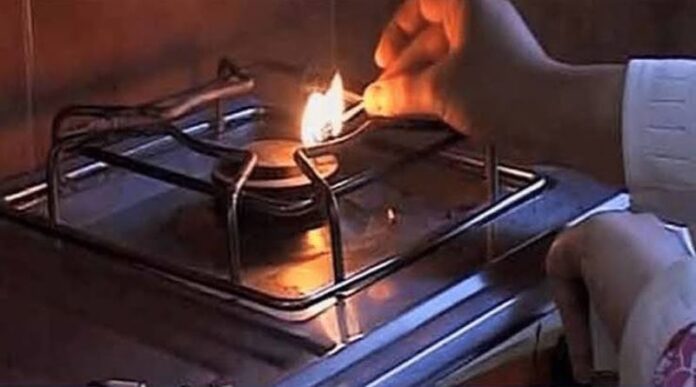

Development work carried out by the Capital Development Authority (CDA) has caused damage to the gas network in Islamabad’s I-11 sectors, creating serious problems for hundreds of people waiting for new domestic gas connections.
The issue has affected residents of I-11/1 and I-11/2, where many people had already applied for RLNG-based gas connections. However, because the existing gas network was damaged during development work, the connection process has been delayed for a large number of applicants.
According to official details submitted to Parliament, 419 applications are still pending because the damaged gas system has not yet been repaired and brought back into service. The matter has now become a major concern for residents who have been waiting for their gas connections for months.
The Petroleum Division has confirmed that the problem was caused by damage to the gas network during CDA development activities. The authorities have also taken up the matter with the CDA regarding the cost of repairing the damaged infrastructure.
Hundreds of Residents Waiting for Gas Connections
A large number of people living in I-11/1 and I-11/2 had applied for new RLNG-based domestic gas connections during 2025 and 2026.
According to the official information, a total of 445 applications were received from residents of the two sectors. Out of these applications, 217 were submitted under the fast-track category, while 228 were filed under the normal category.
Despite the high number of applications, only 14 connections have been provided so far. The remaining applicants are still waiting for their turn as well as the repair and restoration of the damaged gas network.
This means that more than 400 applications are currently facing delays, creating difficulties for families who were expecting to receive gas connections after completing the required procedures.
For many residents, the delay is especially frustrating because they had already submitted their applications and were waiting for the gas company to complete the next stages of the process.
The situation shows how damage to an important public utility network can affect a large number of people and delay services for months.
Damage Caused During CDA Development Work
The Petroleum Division stated that gas connections in I-11/1 and I-11/2 could not move forward because the network was damaged during development work carried out by the CDA.
Development projects in growing urban areas often involve digging roads, streets, and other locations where underground utility lines are present. These utility systems may include gas pipelines, water lines, electricity cables, and communication networks.
If proper coordination is not maintained, development work can damage important infrastructure and create problems for residents.
In this case, the damage to the gas network has stopped further progress on a large number of domestic gas connection applications.
The affected network must now be repaired before the remaining connection process can continue.
Officials have said that the matter has been raised with the CDA, including the recovery of costs linked to the damage. This means the authorities are also looking at who will bear the expenses of repairing the gas infrastructure.
The issue has highlighted the importance of better coordination between development authorities and utility companies. Before carrying out excavation or construction work, it is important to know the exact location of underground pipelines and other services.
This can help avoid damage, save public money, and prevent unnecessary delays for residents.
Only a Small Number of Connections Completed
The official data shows that only 14 applicants have received gas connections so far.
Compared with the total number of 445 applications submitted by residents, this is a very small number.
The remaining applications are either still being processed or are unable to move forward because the gas network remains damaged.
The applications were being handled according to the applicants’ turn and eligibility. Some people had applied through the fast-track category, while others were waiting under the normal category.
However, the damage to the network has affected the overall process.
For people living in I-11/1 and I-11/2, this means that even those who completed important requirements may still have to wait until the damaged infrastructure is restored.
The delay can create additional pressure on households that were planning to shift to a regular gas connection.
Many families depend on gas for daily cooking and other household needs. Without a proper connection, they may have to rely on alternative and sometimes more expensive options.
SNGPL Had Issued Fee Bills
Before the damage created further delays, Sui Northern Gas Pipelines Limited (SNGPL) had already started processing some of the applications.
The company issued urgent fee bills for applications received up to January 10, 2026.
According to the official details, 43 applicants were found eligible for the next stage of the process. Out of these, 37 applicants paid the required fees.
This showed that several residents had already completed the payment stage and were expecting the connection process to move forward.
After receiving the payments, SNGPL conducted surveys of the applicants’ premises.
The survey is an important step before a domestic gas connection can be installed. It helps the company check the location and determine the work required for the service line and other related infrastructure.
Following these surveys, demand notices for security and service-line charges were issued to 26 applicants.
However, the damaged gas network later became a major obstacle.
Because the network was not in working condition, the remaining connection work could not continue as planned.
Surveys Completed but Notices Still Delayed
The official information also shows that surveys of 37 applicants were completed.
However, 11 of these applicants could not be issued demand notices because the gas network was still damaged.
This means that even though the applicants had completed one important stage of the process, their applications could not move forward.
The situation has created a gap between the completion of paperwork and the actual provision of gas service.
Residents may feel that they have already done everything required from their side, including submitting applications, paying fees, and allowing surveys of their homes.
However, the damaged infrastructure has stopped the final stages of the process.
The Petroleum Division has said that the remaining demand notices will be issued after the damaged network is repaired and brought back into operation.
Once this happens, the pending applications can move forward again.
However, the process will also depend on the normalisation of RLNG supplies.
Repair of the Network Is Now Important
The repair and restoration of the damaged gas network has become the most important step for resolving the issue.
Until the system is repaired and commissioned, hundreds of pending applications cannot be fully processed.
The Petroleum Division has made it clear that the repair work is necessary before the remaining applicants can receive their demand notices and move closer to getting gas connections.
The government and relevant authorities will therefore need to ensure that the damaged infrastructure is restored as soon as possible.
A long delay could create more difficulties for residents and may also increase the number of pending applications.
The case also raises questions about planning and coordination during development work.
Gas pipelines are important public assets and any damage to them can affect many people. Apart from delaying new connections, pipeline damage can also create safety concerns and cause financial losses.
For this reason, development authorities and utility companies need to work closely together before starting work in areas where underground infrastructure is present.
Cost Recovery Issue Raised With CDA
The Petroleum Division has said that the issue has been taken up with the CDA for the recovery of costs related to the damage.
Repairing damaged gas infrastructure can require significant resources. Depending on the level of damage, the work may involve replacing pipes, repairing service lines, checking the system for leaks, and testing the network before it is put back into operation.
The question of who will pay for the repairs is therefore important.
Since the damage reportedly occurred during CDA development activities, the Petroleum Division has raised the matter with the authority.
The official position is aimed at ensuring that the financial cost of the damage is properly addressed.
Recovering such costs is important because public utility companies already face pressure to maintain and expand their networks.
If the cost of damage caused by development work is not properly recovered, the burden may eventually fall on public resources.
Clear responsibility can also encourage better planning in future development projects.
New RLNG Connections Also Face Wider Challenges
The issue in I-11 comes at a time when new RLNG-based domestic gas connections are already facing wider challenges.
The government has currently paused new RLNG-based domestic gas connections due to disruptions in RLNG supplies from Qatar.
This broader supply issue has added another layer of uncertainty for people waiting for new connections.
In the case of I-11/1 and I-11/2, residents are facing two major problems. First, the local gas network has been damaged and needs repair. Second, the wider situation involving RLNG supplies has affected the availability of new domestic connections.
As a result, applicants may have to wait until both issues are resolved.
The Petroleum Division has said that processing of the pending applications will resume after the damaged network is repaired and RLNG supplies return to normal.
This means the repair of the local network is only one part of the overall solution.
Residents Hope for Early Relief
People who applied for gas connections in the two Islamabad sectors are now hoping that the damaged network will be repaired without unnecessary delay.
Many applicants have already completed important steps in the process and are waiting for the authorities to move forward.
For residents who paid fees, completed surveys, or received earlier notices, the delay can be especially disappointing.
They may have expected their applications to move ahead within a reasonable period. Instead, damage to the gas infrastructure has left hundreds of cases pending.
The authorities will now need to complete the repair work, restore the system, and ensure that the pending applications are processed fairly.
The applicants who have been waiting should also be kept informed about the progress of the repair work and the expected timeline for further processing.
Clear communication can help reduce confusion and give residents a better understanding of their position in the connection process.
Need for Better Coordination in Future Projects
The incident has once again shown the need for stronger coordination between government departments and public utility companies.
Development work is necessary for the growth of Islamabad, especially in sectors where new construction and infrastructure projects are taking place.
However, such work should be carried out carefully to protect existing utility systems.
Before digging or carrying out major development activities, authorities should identify the location of gas pipelines and other underground services.
This can reduce the risk of damaging important infrastructure.
Better planning can also prevent delays, reduce repair costs, and protect residents from service disruptions.
In a city like Islamabad, where different departments are responsible for roads, development, gas, electricity, water, and other services, coordination is essential.
When one department starts a project without proper planning, the impact can spread to many other public services.
The I-11 case is a clear example of how damage to one utility network can affect hundreds of households.
What Happens Next?
The next step is the repair and commissioning of the damaged gas network in I-11/1 and I-11/2.
Once the system is restored, SNGPL is expected to issue the remaining demand notices and continue processing the pending applications.
However, the overall progress will also depend on the availability and normalisation of RLNG supplies.
The Petroleum Division has already taken up the matter of repair costs with the CDA.
Residents will now be waiting to see how quickly the damaged network is fixed and when their long-pending applications can move forward.
With 419 applications still pending, the issue affects a large number of families in the two sectors.
The case underlines the importance of protecting public infrastructure during development work and ensuring that agencies coordinate before starting projects near gas pipelines and other underground networks.
For now, residents of I-11/1 and I-11/2 will be hoping for a quick solution so that the long-delayed process of getting domestic gas connections can finally continue.
Read Also: check