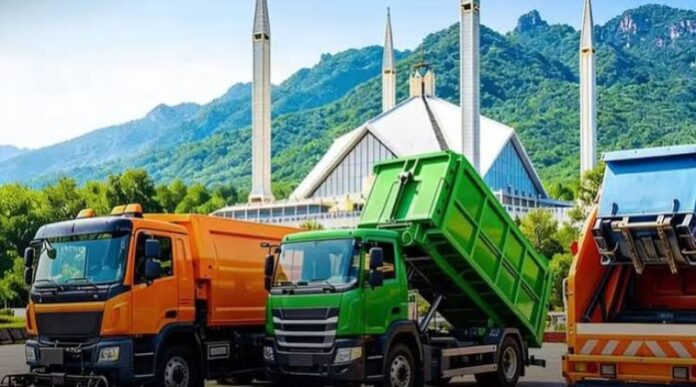

The Capital Development Authority (CDA) has reportedly been fined Rs. 5 million after a long delay in the clearance of sanitation vehicles imported from Japan. The case has raised serious questions about how delays in official processes can affect public services, especially when important equipment is needed to keep a major city clean.
The sanitation vehicles were brought in to improve waste collection and cleanliness work in Islamabad. However, instead of being put into service quickly, the vehicles remained stuck because their clearance process was delayed. The situation became serious enough to result in a financial penalty of Rs. 5 million against the CDA.
The development highlights an important issue for public institutions in Pakistan. When government bodies spend public money on important machinery and vehicles, delays in paperwork, customs procedures, or internal approvals can create major problems. The equipment may remain unused while the need for better public services continues to grow.
For a city like Islamabad, sanitation is an essential public service. The CDA’s sanitation department is responsible for cleaning public areas, collecting and transporting solid waste, maintaining cleanliness, and handling several other sanitation-related duties across its area of responsibility.
Japanese Vehicles Were Meant to Improve Sanitation Services
The sanitation vehicles imported from Japan were expected to support the CDA’s efforts to improve waste management and cleanliness in the federal capital. Modern vehicles and machinery are important for collecting garbage from residential areas, markets, commercial centres, roads, and other public places.
Islamabad requires a regular and well-managed sanitation system because waste is produced every day in different parts of the city. Garbage must be collected on time, transported safely, and taken to designated disposal sites. Any shortage of vehicles or delays in using available equipment can put extra pressure on the existing sanitation system.
According to CDA’s sanitation procedures, waste management involves several stages, including sweeping, waste collection, transportation, and final disposal. Different types of vehicles and equipment are used for these tasks, including garbage compacting vehicles, skip lifters, dump trucks, and tractor trolleys.
Therefore, when imported sanitation vehicles remain unavailable because of clearance issues, their purpose is defeated for as long as they are not allowed to enter regular service.
Delay Led to a Rs. 5 Million Fine
The main issue in this case was the delayed clearance of the Japanese sanitation vehicles. The delay eventually resulted in a Rs. 5 million fine, adding another financial burden to the situation.
A fine of this size is significant because public money is involved. The original purpose of importing the vehicles was to improve a public service. However, the delay not only kept the equipment from being used on time but also created an additional cost.
Such cases show why government departments need to complete important procedures without unnecessary delays. When a project involves imported machinery, several steps may be required before the equipment becomes fully available for use. These can include documentation, inspection, customs clearance, tax-related matters, and approvals from relevant authorities.
If there is poor coordination between the departments involved, the process can become slow. One office may wait for documents from another, while important equipment continues to remain unused.
The result is a double loss. First, the public does not receive the expected benefit from the vehicles. Second, additional money may have to be paid because of penalties, storage charges, or other costs linked to the delay.
Public Money Must Be Used Carefully
The Rs. 5 million penalty has also brought attention to the need for better financial management in public organisations. Government bodies are expected to use public funds carefully and make sure that projects are completed properly.
When a department imports expensive machinery, the planning should not end after the purchase is approved. The entire process, from ordering the equipment to clearing it and putting it into operation, needs proper monitoring.
Delays can reduce the value of an investment. A vehicle that remains parked and unused cannot help collect garbage or improve city cleanliness. At the same time, the need for sanitation services does not stop.
Public institutions therefore need clear systems to track important projects. Officials should know the current status of imported equipment and identify problems before they become serious.
If a document is missing or an approval is pending, the matter should be handled quickly. Leaving important issues unresolved for a long time can eventually lead to financial losses and legal complications.
Sanitation Is a Major Responsibility of CDA
The CDA plays an important role in managing and developing Islamabad. Its sanitation department is responsible for several cleanliness-related services within its area of operation.
These duties include general cleaning, collection and disposal of solid waste, special cleanliness arrangements during important events, cleaning operations on religious occasions, and other services related to sanitation. CDA’s official procedures also cover the transportation of waste from different areas to designated disposal locations.
Because of these responsibilities, the authority depends heavily on vehicles, machinery, workers, and proper planning. A shortage of equipment can directly affect daily operations.
The need for an effective sanitation system has become even more important as Islamabad continues to expand. More residential areas, commercial centres, offices, markets, and public spaces mean more waste that needs to be managed every day.
CDA has also continued to focus on improving cleanliness arrangements. In recent years, the authority has discussed stronger sanitation monitoring and comprehensive cleanliness plans for the federal capital.
In this situation, the delayed availability of imported sanitation vehicles becomes an important concern because such equipment is meant to support the same goal of improving public services.
Delays Can Affect Daily Cleaning Operations
The impact of delayed sanitation equipment can be felt in several ways. If new vehicles are expected to replace old ones or increase the existing fleet, a delay can put additional pressure on the vehicles already in service.
Older vehicles may require more maintenance and may break down more often. This can affect garbage collection schedules and increase operating costs. Workers may also face difficulties if they do not have enough proper equipment to complete their daily tasks.
In busy areas, even a short disruption in waste collection can lead to visible garbage piles. This can create an unpleasant environment and affect residents, visitors, shopkeepers, and businesses.
A city like Islamabad is expected to maintain a high standard of cleanliness. Public parks, roads, markets, residential sectors, government areas, and tourist locations all require regular cleaning.
For this reason, sanitation vehicles should ideally be cleared and placed into service as soon as possible after their arrival.
The delay in the Japanese vehicles shows how an administrative issue can eventually affect a much larger system.
Better Coordination Is Needed
One of the biggest lessons from the case is the importance of coordination between different government departments and agencies.
The clearance of imported equipment may involve more than one office. Customs authorities, the importing department, financial officials, inspection bodies, and other relevant institutions may all have a role in the process.
If communication between these offices is weak, files can remain pending. A small problem can take much longer to solve, especially when no single team is actively following the matter.
A better approach would be to assign clear responsibility from the start. Every major import should have a proper timeline and a team responsible for monitoring each stage.
Officials should regularly review the status of important equipment. If a delay is expected, the reason should be identified early so that corrective action can be taken.
This would help prevent a situation where expensive public equipment remains unused for months while additional penalties continue to build.
Accountability Should Remain Important
The Rs. 5 million fine also raises the question of accountability. Whenever public money is lost because of avoidable delays, it is important to understand what went wrong and whether the issue could have been prevented.
Accountability does not always mean blaming one person without a proper review. A fair investigation should examine the complete process, including paperwork, approvals, communication, and decisions made by the relevant officials.
If there was an unnecessary delay, the reasons should be identified. The purpose should be to improve the system and make sure the same mistake is not repeated in future projects.
Government organisations often handle large projects involving vehicles, machinery, construction, and public services. Even a small delay in one stage can create serious financial problems later.
Regular monitoring and clear responsibility can help reduce such risks.
Modern Equipment Can Support a Cleaner Islamabad
The import of sanitation vehicles from Japan shows that modern machinery is seen as important for improving cleanliness services. Advanced waste management equipment can help make garbage collection more organised and efficient.
However, purchasing modern vehicles is only the first step. Their real value comes when they are properly cleared, maintained, assigned to the right areas, and used regularly.
CDA’s sanitation system depends on the smooth movement of waste from collection points to disposal sites. Official sanitation procedures describe the use of different vehicles for collecting and transporting various types of waste.
New vehicles can reduce pressure on the existing fleet and help improve the overall speed of operations. But this benefit can be lost if the equipment remains stuck in administrative procedures.
The lesson is clear: better equipment must be supported by better management.
A Warning for Future Government Projects
This case should serve as a warning for other government departments and public organisations as well. Whenever expensive equipment is imported for public use, all related procedures should be planned in advance.
Departments should prepare the required documents before the equipment arrives. They should also stay in contact with the relevant authorities and make sure that there are no unnecessary gaps in the clearance process.
A digital tracking system could also help. Major projects can be monitored through clear timelines, with officials receiving updates about pending documents or approvals.
This would make it easier for senior management to identify delays before they result in major financial losses.
The public also deserves transparency. Since taxpayer money is used for such projects, citizens have a right to expect that purchased equipment will be used properly and without avoidable delays.
Conclusion
The Rs. 5 million fine over the delayed clearance of Japanese sanitation vehicles has highlighted the cost of poor planning and slow administrative procedures. Equipment that was brought in to improve cleanliness services could not provide its full benefit while the clearance process remained incomplete.
For Islamabad, effective sanitation is not a minor issue. It is a daily requirement that affects residents, businesses, visitors, and the overall image of the federal capital. The CDA’s sanitation responsibilities cover waste collection, transportation, cleaning operations, and several other important public services.
The case should encourage stronger coordination, faster decision-making, and better monitoring of public projects. Importing modern machinery is useful, but it must reach the field and become operational on time.
In the future, government departments need to make sure that important vehicles and equipment do not remain stuck because of avoidable paperwork or poor coordination. Quick action, clear responsibility, and proper planning can help prevent financial penalties and ensure that public money delivers the benefit it was meant to provide.
Ultimately, the biggest goal should be simple: public resources should be managed efficiently, important equipment should be used without unnecessary delays, and citizens should receive better services from the money spent on their behalf.
Read Also: Check