
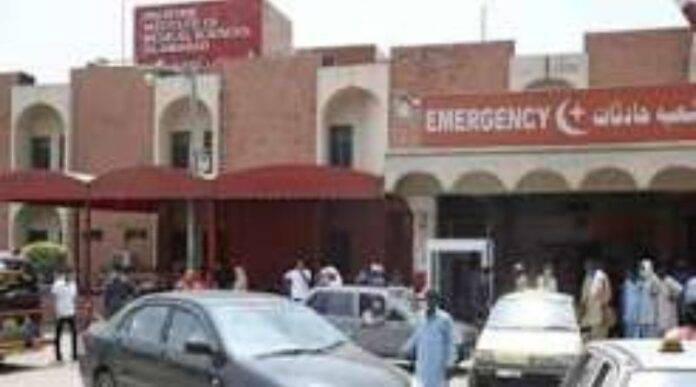

The government procurement system at the Pakistan Institute of Medical Sciences (PIMS) has come under serious criticism, with concerns being raised about the way essential medicines, medical equipment, and other hospital supplies are purchased and managed. The situation has raised questions about whether the existing procurement process is working effectively and whether public funds are being used in the best possible way.
PIMS is one of the largest public hospitals in Islamabad and provides medical treatment to a large number of patients every day. Because of its importance, a smooth and transparent procurement system is necessary to make sure that medicines, surgical items, laboratory supplies, and other essential products are available when needed.
However, concerns surrounding procurement at the hospital suggest that problems in the system may be affecting the timely availability of important supplies. Such issues can create difficulties not only for hospital management but also for doctors, nurses, patients, and their families.
Procurement System Under Scrutiny
Government hospitals depend heavily on public procurement to meet their daily requirements. The process is normally designed to ensure transparency, competition among suppliers, reasonable prices, and proper use of government money.
At PIMS, however, the procurement process has reportedly faced several problems. These concerns have led to questions about delays, purchasing decisions, supply management, and the overall performance of the system.
A procurement system is expected to work in a planned manner. Hospital departments identify their requirements, estimates are prepared, tenders are issued where required, suppliers submit their offers, and the relevant authorities review and approve the purchases.
When any part of this process is delayed, the impact can quickly reach patients.
For example, if the purchase of a medicine is delayed, the hospital may face a shortage. If medical equipment is not purchased or replaced on time, doctors may have to work with limited resources. Similarly, delays in buying laboratory items can affect medical tests and patient care.
These are particularly serious concerns in a major public hospital where thousands of people depend on government healthcare services.
Why Procurement Matters at PIMS
PIMS handles a wide range of medical cases. Patients visit the hospital for emergency treatment, surgeries, specialist consultations, laboratory tests, maternity services, and other forms of healthcare.
The hospital therefore needs a continuous supply of different items.
These include medicines, injections, surgical instruments, gloves, syringes, laboratory chemicals, blood collection materials, cleaning products, equipment parts, and other hospital supplies.
A shortage of even one important item can create problems for an entire department.
This is why procurement is not simply an administrative activity. It is directly connected with the quality and continuity of healthcare services.
When procurement is efficient, hospitals can plan their stocks, negotiate better prices, avoid unnecessary purchases, and ensure that essential items reach departments on time.
When procurement does not work properly, the opposite can happen. Purchases may be delayed, prices may rise, stocks may run out, and hospital departments may struggle to meet patient needs.
Concerns Over Delays
One of the major concerns associated with government procurement is delay.
Government purchasing rules are intended to protect public money and ensure transparency. However, a lengthy process can become difficult when departments have urgent requirements.
In a hospital, needs can change quickly. A sudden increase in patients, an emergency situation, or an unexpected shortage can increase demand for certain medicines and medical supplies.
If procurement decisions take too long, hospitals may find themselves under pressure.
The concerns at PIMS have therefore raised questions about whether the existing process is sufficiently responsive to the hospital’s actual needs.
The issue is not simply about buying products. It is also about making sure that the products are available at the right time, in the right quantity, and at a reasonable cost.
Impact on Patients
The biggest concern in any hospital procurement issue is its possible impact on patients.
People who visit government hospitals often depend on the public healthcare system because private treatment can be too expensive. Many patients come to PIMS from Islamabad, Rawalpindi, and other parts of the country.
For these patients, the availability of medicines and medical services can make a major difference.
If a medicine is unavailable, a patient may have to purchase it from a private pharmacy. This can increase the financial burden on families.
Similarly, if a hospital does not have a particular medical item or equipment is not available, patients may face delays in treatment or may have to look for services elsewhere.
For low-income families, even a relatively small additional cost can be difficult to manage.
This makes an efficient procurement system particularly important in public hospitals.
Questions About Use of Public Funds
Another important issue is the use of government money.
Public hospitals operate with funds provided by taxpayers and the government. Procurement decisions therefore need to be properly documented and monitored.
A good procurement system should make it possible to answer basic questions about every major purchase.
What was purchased?
Why was it required?
How much was paid?
Which supplier provided it?
Was the product delivered according to the agreed terms?
Was the quality checked?
Were government procurement rules followed?
These checks help prevent waste and improve public trust.
When concerns are raised about a procurement system, authorities need to examine the complete process instead of focusing only on individual purchases.
A proper review can identify whether the problems are caused by administrative delays, weak planning, poor coordination, supplier-related issues, or gaps in monitoring.
Need for Better Planning
Hospital procurement requires careful planning.
Departments should be able to estimate their requirements based on previous consumption, the number of patients, seasonal changes, and expected demand.
For medicines, for example, hospitals can use previous data to estimate how much stock may be needed during a particular period.
Better planning can reduce the risk of both shortages and unnecessary purchases.
If too little stock is ordered, shortages can occur. If too much is purchased, products may remain unused and could eventually expire.
Both situations can result in the loss of public money.
PIMS, because of its size and importance, needs a procurement system that is based on accurate data and regular monitoring.
Transparency Is Essential
Transparency is another key part of government procurement.
Suppliers should have a fair opportunity to participate in tenders, while purchasing decisions should be based on clear rules and documented requirements.
Transparent procurement also helps protect government institutions from allegations of favoritism or unfair treatment.
When information is properly recorded and decisions can be reviewed, it becomes easier to identify mistakes and correct them.
For a major public hospital, transparency is particularly important because procurement involves large amounts of public money and directly supports healthcare services.
Stronger Monitoring Could Help
Regular monitoring can help identify procurement problems before they become major issues.
Hospital authorities can track the status of purchase requests, tender processes, supplier deliveries, and stock levels.
A centralized monitoring system could also help management see which departments are facing shortages and which purchases are still pending.
Technology can play an important role in this area.
Digital procurement systems can reduce paperwork, improve record keeping, and make it easier to track the progress of purchases. They can also provide management with timely information about pending orders and available stock.
However, technology alone cannot solve every problem. Staff members must also be properly trained, responsibilities must be clearly defined, and officials must be held accountable for delays or mistakes.
Importance of Accountability
Accountability is necessary when public procurement does not perform as expected.
If a purchase is delayed, officials should be able to explain why.
If a product is delivered late, the responsible department should review the reason.
If supplies are purchased at a higher cost than expected, the relevant records should be checked.
This does not mean that every delay is the result of wrongdoing. Government procurement can involve several legal and administrative steps, and some delays may have genuine reasons.
However, proper accountability means that these reasons are recorded and reviewed.
A transparent system should make it possible to distinguish between unavoidable delays and problems caused by poor planning or weak management.
Supplier Management Also Matters
The performance of suppliers is another important part of hospital procurement.
Even when a tender is completed successfully, the process can still face problems if a supplier fails to deliver goods on time or provides products that do not meet the required standards.
Hospitals therefore need proper supplier monitoring.
Suppliers should be assessed on factors such as delivery time, product quality, compliance with specifications, and fulfillment of contractual obligations.
Where contracts allow action against suppliers for delays or poor performance, those provisions should be applied according to the rules.
This can help ensure that public hospitals receive the supplies they have paid for without unnecessary delays.
Procurement Reforms Could Improve the Situation
The concerns surrounding PIMS highlight the broader need to improve procurement systems in public healthcare institutions.
Reforms could include better demand forecasting, stronger inventory management, digital tracking, faster processing of routine purchases, and improved coordination between hospital departments.
Training procurement staff can also make a difference.
Officials responsible for procurement need to understand government rules, tender procedures, contract management, and financial controls.
At the same time, hospital departments should communicate their requirements clearly and well in advance.
Better coordination between medical departments, finance teams, procurement officials, and hospital management can reduce confusion and delays.
A System That Supports Healthcare
The purpose of a hospital procurement system is ultimately to support patient care.
Procurement rules are important because they protect public money and promote transparency. But the system must also be managed in a way that allows hospitals to meet legitimate medical needs on time.
For PIMS, this is especially important because of the large number of patients it serves.
A procurement system that is slow, poorly coordinated, or difficult to monitor can create pressure across the hospital.
On the other hand, an efficient system can help ensure that doctors and medical staff have the supplies they need to perform their duties.
It can also reduce unnecessary expenses and improve the use of government funds.
What Should Happen Next?
The concerns about procurement at PIMS call for a detailed review of the system.
Authorities can examine procurement records, pending purchase requests, stock levels, supplier performance, and the reasons behind delays.
The purpose of such a review should be to identify practical problems and fix them.
If weaknesses are found, corrective measures should be introduced. If procedures are outdated, they can be improved. If staff need training, suitable training can be arranged. If monitoring is weak, stronger checks can be introduced.
Most importantly, the focus should remain on ensuring that public funds are used properly while patients receive timely medical care.
Conclusion
The reported problems surrounding the government procurement system at PIMS have raised important questions about how essential hospital supplies are purchased, monitored, and delivered.
For a major public healthcare institution, procurement is closely linked with patient services. Medicines, medical equipment, laboratory supplies, and other essential items must be available when doctors and patients need them.
A strong procurement system should provide transparency, fair competition, proper financial control, timely purchasing, and effective monitoring. It should also ensure that suppliers meet their responsibilities and that hospital departments receive the required supplies without unnecessary delays.
The concerns at PIMS show why regular checks and better management are important in government healthcare institutions. A detailed review of the procurement process could help identify the reasons behind reported problems and provide a basis for improvements.
For patients who rely on PIMS, the effectiveness of the procurement system is not simply an administrative matter. It can have a direct effect on their access to medicines, tests, equipment, and treatment.
Improving procurement, therefore, can play an important role in making public healthcare services more reliable while ensuring that taxpayers’ money is used responsibly.
Read Also: check


