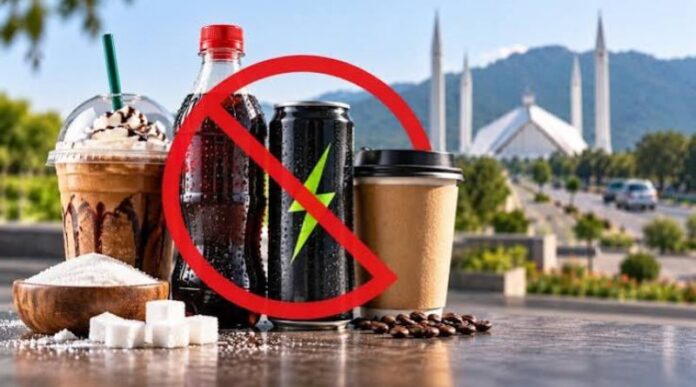

The authorities in Islamabad are moving towards tighter controls on drinks that contain high amounts of sugar and caffeine. The new restrictions are aimed at protecting public health, especially children and young people who are increasingly consuming energy drinks, soft drinks, and other products with high sugar or caffeine levels.
The move comes as concerns grow over the health effects linked with the regular consumption of such beverages. Health experts have repeatedly warned that drinking large amounts of sugary and highly caffeinated products can lead to several health problems, particularly when they become part of a person’s daily routine.
The latest steps in Islamabad are expected to bring greater attention to what is being sold, how these products are promoted, and who is being targeted by their advertising.
Why Are Authorities Concerned?
Sugary drinks have become common in Pakistan. They are easily available at shops, restaurants, schools, offices, shopping centres, and other public places. Many people consume them regularly without paying much attention to the amount of sugar they contain.
Soft drinks, energy drinks, flavoured beverages, and some packaged drinks can contain large quantities of added sugar. Regular consumption can increase a person’s overall sugar intake and may contribute to weight gain and other health concerns.
The issue is even more important when it comes to children and teenagers. Young consumers can be attracted to colourful packaging, advertisements, sports sponsorships, and social media campaigns promoting energy drinks and other sweet beverages.
At the same time, drinks with high levels of caffeine can create separate health concerns. Caffeine is a stimulant that can make people feel more active and alert for a short period. However, consuming too much caffeine can affect sleep, increase restlessness, and cause other unwanted effects.
For young people, excessive caffeine intake can be particularly concerning because their bodies may respond differently to high amounts of the stimulant.
Focus on Children’s Health
One of the main reasons behind the restrictions is the need to protect children from products that may have negative effects on their health.
Children often do not fully understand how much sugar or caffeine they are consuming. A drink may look like an ordinary soft drink or a refreshing beverage, but its ingredients can make a significant difference.
Health officials and experts believe that children should not be encouraged to consume products that contain very high levels of sugar or caffeine. Schools and other places where children spend a large part of their day are therefore expected to receive special attention under efforts to improve public health.
Parents are also being encouraged to check labels before purchasing packaged drinks for their children. Looking at the amount of sugar and caffeine can help families make better choices.
High Sugar Intake Can Create Problems
Sugar itself is not always harmful when consumed in reasonable amounts. The concern arises when people regularly consume more added sugar than their bodies need.
Sugary drinks can make it easy to consume a large amount of sugar without feeling full. Unlike a complete meal, a sweet drink may provide little nutritional value while adding a significant number of calories to a person’s daily intake.
Over time, excessive consumption can contribute to weight gain. It can also increase the risk of dental problems and other health issues.
For this reason, health campaigns around the world often encourage people to reduce their intake of sugary beverages and replace them with healthier options such as water or drinks with little or no added sugar.
The authorities’ latest action in Islamabad reflects growing awareness that reducing unnecessary sugar consumption is an important part of improving public health.
Concerns Over Caffeine
Caffeine is another major part of the discussion.
Energy drinks and some other beverages can contain significant amounts of caffeine. These products are often promoted as a way to increase energy, improve focus, or help people stay active.
However, consuming too much caffeine can have unwanted effects. Some people may experience difficulty sleeping, nervousness, restlessness, or a fast heartbeat after taking large amounts.
The problem can become more serious when people consume several caffeinated drinks during the same day or combine energy drinks with other sources of caffeine.
Young people may also consume these products without understanding their caffeine content. This has increased calls for stronger controls over the marketing and sale of high-caffeine beverages.
Advertising Could Face Greater Attention
Restrictions on high-sugar and high-caffeine drinks are not only about the products themselves. The way these drinks are promoted can also influence consumer behaviour.
Companies spend large amounts of money on advertising to make their products attractive to consumers. Energy drinks, in particular, are sometimes connected with sports, entertainment, adventure, gaming, and an active lifestyle.
Such marketing can make the products look harmless or even beneficial. Young consumers may be especially influenced by these messages.
Authorities are therefore looking at ways to limit the promotion of products that could pose health risks when consumed excessively.
The purpose is not necessarily to stop people from consuming every type of soft drink or caffeinated beverage. Instead, the focus is on reducing excessive consumption and preventing vulnerable groups, especially children, from being strongly targeted.
Islamabad as a Focus Area
Islamabad is one of the country’s major urban centres and has a large population of students, office workers, families, and young people.
The city also has a wide range of schools, colleges, universities, restaurants, shopping centres, and retail outlets. This makes it an important place for implementing public health measures.
Any restrictions introduced in the capital could also provide a model for similar steps in other parts of Pakistan.
If the measures prove effective, authorities in other cities may consider adopting comparable rules to control the sale and promotion of high-sugar and high-caffeine beverages.
Schools May Play an Important Role
Schools can play a major part in reducing children’s exposure to unhealthy drinks.
Students spend many hours in educational institutions, and drinks sold inside or around school premises can influence their daily habits.
Health experts generally believe that schools should encourage healthy eating and drinking habits. Easy access to water and healthier beverages can help children make better choices.
If sugary or highly caffeinated drinks are easily available at school canteens, students may consume them regularly. Limiting their availability could therefore help reduce consumption.
Schools can also educate students about nutrition. Simple lessons about sugar, caffeine, hydration, and healthy food choices can help children understand why moderation is important.
Parents Also Have a Key Role
Government restrictions alone cannot solve the problem. Parents and families also have an important role in shaping children’s eating and drinking habits.
Parents can check the labels of packaged drinks and compare the amount of sugar and caffeine in different products. They can also encourage children to drink more water and reduce their dependence on sweet beverages.
It is also useful for parents to talk to children about advertising. Young people should understand that advertisements are designed to sell products and may not always present the full picture about their health effects.
Simple changes at home can make a difference. If healthier drinks are easily available, children may be less likely to choose sugary alternatives.
Need for Public Awareness
Restrictions are more likely to succeed when people understand why they are being introduced.
If consumers only see new rules without receiving proper information, they may not understand the health reasons behind them. Public awareness campaigns can therefore play an important role.
Authorities can use television, newspapers, social media, schools, hospitals, and other platforms to explain the risks linked with excessive sugar and caffeine consumption.
The message should be simple: people should know what they are consuming and avoid making high-sugar or high-caffeine drinks a regular part of their diet.
Awareness is particularly important in a country where many consumers may not carefully read nutritional information on product labels.
Food Labels Can Help Consumers
Clear product labels are another important part of the issue.
Consumers need to know how much sugar and caffeine a drink contains before deciding whether to purchase it. If information is difficult to understand or is not clearly displayed, people may find it difficult to make informed choices.
Better labelling can help consumers compare products. It can also encourage manufacturers to reduce the amount of sugar or caffeine in their beverages.
When customers begin choosing products with lower sugar and caffeine levels, companies may have a greater reason to offer healthier options.
Impact on Beverage Companies
The new restrictions could also affect beverage manufacturers, distributors, retailers, and businesses that sell these products.
Companies may need to review their marketing strategies and product ranges if new rules place limits on the sale or promotion of certain drinks.
Manufacturers could also face greater pressure to reduce sugar and caffeine levels in their products.
For the industry, this could mean increased focus on low-sugar, sugar-free, or lower-caffeine alternatives. Such products are already becoming more common in international markets as consumers become more health conscious.
At the same time, businesses are likely to seek clarity from authorities about the exact requirements they must follow.
A Wider Public Health Issue
The debate over sugary and caffeinated drinks is part of a larger discussion about lifestyle and public health.
Modern urban life has changed eating and drinking habits. People often have access to processed foods and packaged beverages throughout the day.
Busy lifestyles can also encourage people to choose convenient drinks instead of healthier options. Young people may turn to energy drinks to stay awake while studying, working, gaming, or using digital devices late at night.
Reducing the consumption of unhealthy drinks is therefore only one part of a larger effort to promote healthier lifestyles.
Regular physical activity, balanced meals, proper sleep, and adequate water intake are also important for good health.
What Consumers Should Do
Consumers do not have to wait for new rules to make healthier choices.
People can start by reducing the number of sugary drinks they consume each week. Drinking water more often is one of the simplest steps.
Consumers should also check product labels and avoid drinks with very high levels of added sugar. Those who are sensitive to caffeine should pay attention to the caffeine content of energy drinks, soft drinks, coffee-based beverages, and other products.
For children, parents should be especially careful about energy drinks and other beverages containing high levels of caffeine.
Moderation is important. A healthier diet does not necessarily mean completely removing every enjoyable drink from one’s life. The main goal is to prevent excessive consumption from becoming a daily habit.
What Could Happen Next?
The latest restrictions in Islamabad could lead to further discussions about how sugary and highly caffeinated drinks are sold and promoted across the country.
Authorities may review existing rules and consider additional measures if health concerns continue to grow.
The effectiveness of the restrictions will depend on proper enforcement. Clear rules, regular monitoring, cooperation from businesses, and public awareness will all be necessary.
If the measures are properly implemented, they could help reduce children’s exposure to high-sugar and high-caffeine products and encourage healthier choices among the wider population.
The move also sends a wider message that public health needs to be considered when regulating food and beverages.
Conclusion
The decision to introduce tighter restrictions on high-sugar and high-caffeine drinks in Islamabad highlights growing concerns about the impact of these products on public health.
The main focus is on reducing excessive consumption and protecting children and young people from products that may be harmful when consumed regularly or in large amounts.
Sugary drinks can add a large amount of sugar to a person’s daily diet, while high-caffeine beverages can affect sleep and cause other problems when consumed in excess. For young consumers, these concerns deserve particular attention.
Government action can help, but lasting change will require support from parents, schools, businesses, and consumers.
Better awareness, clearer labels, healthier choices, and responsible marketing can all contribute to the same goal: helping people make better decisions about what they drink.
The new measures in Islamabad could become an important step in that direction. If successfully enforced, they may not only change the way high-sugar and high-caffeine beverages are marketed and sold in the capital but could also encourage similar public health efforts across Pakistan.
Read Also:check