
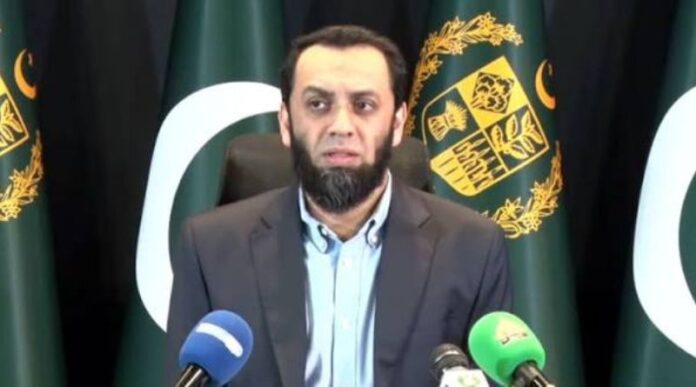

More than 2.2 million people have registered for the Prime Minister’s fuel relief scheme, Information Minister Attaullah Tarar has said, showing strong public interest in the government’s effort to provide financial support to people facing higher fuel costs.
The scheme was introduced to help reduce the financial pressure caused by rising petrol prices and increasing transport expenses. For many families in Pakistan, fuel prices have a direct impact on their monthly budget because transport costs are linked with the prices of food, goods and other daily-use items.
According to Tarar, the number of people who have signed up for the programme has crossed 2.2 million. The government is now working to process the registrations and provide relief to eligible applicants under the scheme.
The development comes at a time when fuel prices remain a major concern for households, workers, businesses and transport operators across the country.
Government Fuel Relief Scheme Gets Strong Response
The large number of registrations suggests that a significant number of people are looking for financial help as the cost of travelling continues to put pressure on household budgets.
Prime Minister’s fuel relief scheme was launched with the aim of supporting people who are struggling with higher transportation costs. The government has said that the programme is designed to provide direct assistance to eligible citizens rather than offering general relief that benefits everyone equally.
Information Minister Attaullah Tarar shared the latest registration figures while discussing the government’s efforts to support the public during a difficult period.
With more than 2.2 million people already registered, the programme has attracted attention from people who depend heavily on motorcycles and other personal transport for their daily travel.
For low-income families, even a small increase in petrol prices can create problems. People who travel to offices, factories, shops, schools and other workplaces have to spend more money on fuel when prices rise.
This can leave less money available for food, education, healthcare and other important household needs.
Rising Fuel Costs Put Pressure on Families
Fuel prices have become an important part of Pakistan’s economic discussion. Changes in international oil prices, exchange rates, taxes, government levies and other costs can affect the price paid by consumers at petrol stations.
When petrol becomes expensive, the impact is not limited to vehicle owners.
Transporters may face higher operating expenses, while businesses can also see an increase in delivery and transportation costs. These higher expenses can eventually affect the prices of products and services.
For example, a shopkeeper who pays more to bring goods from a wholesale market may have to adjust prices. Similarly, public transport operators may face pressure because of higher fuel bills.
This is why fuel prices are closely linked with the wider cost of living.
The PM’s relief programme is therefore being presented as an effort to provide some direct support to people affected by these pressures.
More Than 2.2 Million Registrations
The registration figure of more than 2.2 million is one of the key developments related to the programme.
The number indicates that millions of people have taken steps to become part of the relief scheme. However, registration does not necessarily mean that every applicant will automatically receive financial assistance.
Applicants generally have to meet the conditions set by the government, and their information may need to be checked before assistance is provided.
The verification process is important because government relief programmes are designed to reach people who meet specific eligibility requirements.
Once the registration and verification stages are completed, eligible beneficiaries can receive the support according to the rules of the programme.
The government is expected to provide further information about the next stages as the scheme progresses.
Why the Scheme Matters for Motorcyclists
Motorcyclists are among the people who can feel the impact of fuel price increases very quickly.
In Pakistan, motorcycles are widely used by workers, students, small business owners and people from middle- and lower-income households. Motorcycles are generally cheaper to buy and operate than cars, which makes them an important form of transport for millions of families.
Many workers use motorcycles every day to travel to their workplaces.
A rise in petrol prices means they have to spend more each month simply to reach work and return home. For someone with a limited income, this additional cost can become a serious burden.
The fuel relief scheme is therefore particularly important for people who depend on two-wheelers for their daily travel.
Support under the programme could help eligible families manage part of their transportation expenses and reduce some pressure on their monthly budgets.
Fuel Prices Affect the Wider Economy
The importance of fuel prices goes beyond individual households.
Pakistan relies heavily on petroleum products for transportation and other economic activities. Trucks, buses, delivery vehicles and other forms of transport need fuel to move people and goods from one place to another.
When transportation becomes more expensive, businesses can face higher costs.
These costs may eventually affect consumers because companies and traders may have to charge more for products and services.
Agriculture can also be affected because farmers use fuel for machinery, transport and other activities. Higher fuel costs can increase the expense of moving agricultural products from farms to markets.
This creates a wider chain of effects across the economy.
For this reason, keeping fuel costs manageable remains an important issue for the government as well as ordinary citizens.
Relief Comes at an Important Time
The registration drive is taking place at a time when people are already dealing with high household expenses.
Families have to manage spending on food, electricity, gas, education, healthcare, transport and other basic needs.
When one major expense increases, people often have to reduce spending somewhere else.
Transport is particularly difficult to avoid for people who need to travel to work every day. Unlike some other household expenses, travelling to work is necessary for earning an income.
For this reason, a fuel relief programme can provide support to people who have very little room in their monthly budgets.
The government has highlighted the scheme as part of its efforts to provide relief to citizens facing economic pressure.
Registration Shows Public Interest
The response of more than 2.2 million registrations also shows the level of public interest in financial assistance related to fuel costs.
People who registered are likely hoping that the programme can help them deal with some of the additional expenses caused by expensive fuel.
The large number of registrations also means that the government will have to manage the programme carefully.
Processing millions of applications requires proper checking, accurate records and a transparent system for identifying eligible beneficiaries.
Making sure that the support reaches the right people will be an important part of the programme.
The government will also need to keep applicants informed about the status of their registrations and any further steps they may need to take.
What Happens After Registration?
After registration, applications may go through a verification process to determine whether applicants meet the requirements of the scheme.
People who qualify can then receive assistance according to the programme’s rules.
Applicants should keep their registration information safe and follow official government instructions regarding the programme. They should also be careful about fake messages, calls or websites claiming to offer additional benefits.
Government relief programmes can sometimes attract scams in which people are asked to provide personal information or pay money in exchange for supposed benefits.
Citizens should rely on official government announcements for information about eligibility, payments and other details.
Government Faces Pressure to Provide Relief
The launch of the fuel relief programme reflects the pressure on the government to provide support as living costs remain a concern for many Pakistanis.
People want measures that can reduce the effect of rising prices on their daily lives.
Fuel is particularly important because it affects both personal travel and the movement of goods.
The government has taken different steps over time to manage the impact of fuel prices. Direct financial assistance is one approach, while other measures can include changes in taxes, duties, petroleum levies and pricing policies.
However, the long-term situation also depends on international oil prices and other economic factors that Pakistan cannot fully control.
Relief for Millions Could Ease Some Pressure
If the programme is successfully implemented, financial assistance could help eligible households manage part of their fuel expenses.
For a family already struggling with a tight budget, even limited support can make it easier to manage daily travel costs.
The benefit may be especially important for workers who depend on motorcycles or other fuel-powered vehicles to earn their income.
However, the wider impact of the programme will depend on how much assistance each eligible person receives, how quickly payments are made and how many registered applicants ultimately qualify.
The government will also need to ensure that the system remains clear and easy to use for ordinary citizens.
Importance of Transparent Implementation
With millions of people involved, transparency will be important for the success of the fuel relief scheme.
Applicants need clear information about the eligibility criteria, registration process, verification and payment method.
A simple system can help reduce confusion and make it easier for people to understand whether they qualify for assistance.
The government can also build public confidence by regularly sharing updates about the number of verified applicants and beneficiaries.
Clear communication is especially important when a programme involves millions of citizens.
People who have registered will naturally want to know when their applications will be checked and when they can expect assistance.
Fuel Relief Remains a Major Public Issue
Fuel prices have become one of the most closely watched economic issues in Pakistan.
Whenever petrol prices change, the decision attracts public attention because of its direct effect on daily life.
Workers consider how much they will spend travelling to work. Transporters calculate their operating costs. Businesses look at delivery expenses, while families try to adjust their monthly budgets.
This is why government fuel relief measures can receive a strong public response.
The registration of more than 2.2 million people shows that fuel costs remain a major concern for a large number of citizens.
What the Latest Figure Means
The latest registration figure shared by Information Minister Attaullah Tarar means that more than 2.2 million people have already shown interest in receiving support through the Prime Minister’s fuel relief scheme.
The next important stage will be the verification of applications and the delivery of assistance to those who meet the programme’s requirements.
For registered citizens, the key issue now is how quickly the government can complete the process and begin providing the promised relief.
The programme will also be watched closely because its implementation can provide an indication of how effectively large-scale financial assistance can be delivered to citizens.
Conclusion
More than 2.2 million people have registered for the Prime Minister’s fuel relief scheme, according to Information Minister Attaullah Tarar. The strong response highlights the financial pressure that fuel costs are placing on households across Pakistan.
For millions of people, petrol is not simply another expense. It is necessary for travelling to work, running small businesses, taking children to school and moving goods from one place to another.
As a result, any increase in fuel prices can have an impact on the wider household budget and the overall cost of living.
The government’s relief scheme aims to provide financial support to eligible citizens and reduce some of the pressure created by higher transportation costs. With registrations already crossing 2.2 million, the focus will now shift towards verification and the distribution of assistance.
The success of the programme will depend on transparent implementation, timely payments and ensuring that support reaches the people who qualify.
For registered applicants, the scheme could provide some much-needed help at a time when managing everyday expenses has become increasingly difficult.
Read Also: check