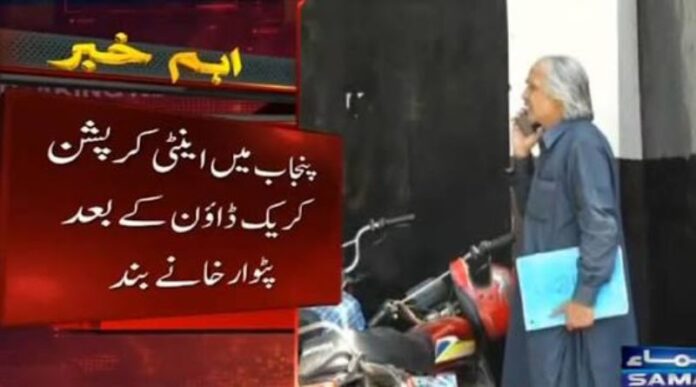

The Punjab government has carried out a major administrative reshuffle in the provincial revenue system, transferring more than 3,000 patwaris in a single day as part of its ongoing campaign against corruption and poor governance.
The large-scale move has attracted attention because patwaris work at the grassroots level and deal directly with citizens on important land and property matters. Their responsibilities include maintaining land records, handling mutations and ownership-related documents, and assisting with other revenue services.
According to official figures reported on September 17, 2026, the reshuffling of patwaris is one of the biggest actions taken so far under the Punjab government’s anti-graft campaign. The government says the wider drive is aimed at improving the working of government departments and reducing opportunities for corruption.
More Than 3,000 Patwaris Transferred
The transfer of over 3,000 patwaris in one day is being described as a major administrative step at the lower level of Punjab’s revenue system.
Patwaris are important government officials in matters related to land. In many parts of Punjab, people have to deal with revenue officials when they need land records, ownership information, mutations and other documents connected with property.
Because of this direct contact with the public, the work of patwaris can have a major effect on ordinary citizens, farmers, landowners and property-related businesses.
The Punjab government’s decision to move such a large number of officials at the same time appears to be part of an effort to change the existing administrative setup and improve monitoring of revenue-related work.
The government has presented the reshuffle as part of its wider campaign to control corruption and improve governance.
Why Patwaris Have an Important Role
Although patwaris hold relatively lower-level government positions, their responsibilities are important for the revenue administration.
They are involved in maintaining and updating records connected with land ownership. Their work can also affect people who are buying or selling property, transferring land within families or seeking official information about their holdings.
For farmers and landowners, even a small delay in a revenue matter can create problems. Land disputes, ownership changes and mutations can involve significant amounts of money and may also affect family property.
This is why changes in the revenue department can have a direct impact on people in villages, towns and cities across Punjab.
Over the years, Punjab has also moved toward greater use of computerised land records and service centres in an effort to make revenue services easier and reduce dependence on traditional paperwork.
Anti-Corruption Drive Covers Other Departments
The reshuffling of patwaris is not the only action taken by the Punjab government.
Official figures cited in reports show that the anti-corruption campaign has also involved officials from several other departments.
According to the figures, 764 police officials have been reshuffled or faced action. The campaign also covers 179 officials of the Food Department, 41 officials of the Board of Revenue, 50 officials of the Excise Department, 10 officials of the Communication and Works Department, and five officials of the Housing Department.
The Anti-Corruption Establishment (ACE) has also carried out raids and taken action involving 176 officials, according to figures provided by the provincial government.
These figures show that the government’s campaign is not limited to one department. Instead, several parts of the provincial administration are being brought under greater scrutiny.
Focus on Better Governance
Punjab Chief Minister Maryam Nawaz’s government has repeatedly spoken about the need to improve government services and take action against corruption.
The latest reshuffle is being presented within that broader policy.
The government’s approach is based on the idea that changes in postings can help reduce long-term influence and improve accountability inside departments. Moving officials from one area to another can also change the way local administrative work is handled.
However, the real effect of the reshuffle will depend on what happens after the transfers.
Simply moving officials from one place to another does not automatically solve problems in a department. The government will also need to ensure that new officials follow rules, respond to citizens and complete revenue work within reasonable time.
For people dealing with land issues, the most important question will be whether the changes lead to better services.
What the Move Could Mean for Citizens
The revenue department is one of the parts of government that ordinary citizens frequently have to deal with.
A person may need a land record for a property transaction, inheritance case, bank matter or legal dispute. Farmers may require updated records for land-related work. Families may need mutations after the death of a property owner.
If the system works properly, such matters can be handled more smoothly. If there are delays, unclear procedures or alleged demands for illegal payments, citizens can face serious difficulties.
The government’s large-scale reshuffle could therefore have a direct effect on people who depend on revenue services.
The success of the move will likely be measured by practical results rather than just the number of officials transferred. Faster processing, better record keeping, fewer complaints and easier access to revenue services would be important signs of improvement.
Government Also Reports Action in Mines and Minerals Department
The Punjab government has also reported major financial results from its actions in the Mines and Minerals Department.
According to government figures, action against alleged manipulation of the system resulted in Rs42 billion being recovered or protected within one year.
However, the available figures do not clearly explain how much of this amount was actually recovered and how much represents money that the government says it prevented from being lost.
There is also limited detail in the reported figures about the exact nature of the alleged manipulation.
For this reason, the Rs42 billion figure should be understood as the government’s reported figure rather than as a fully detailed breakdown of recovered funds.
Why the Reshuffle Matters
The transfer of more than 3,000 patwaris is notable because of the size of the move.
Large administrative changes can affect the way government offices operate, particularly when officials work closely with citizens.
Patwaris are part of a system that has traditionally played an important role in land administration. At the same time, Punjab has been working for years to modernise land records and expand computerised services.
Earlier reporting on Punjab’s land-record system highlighted efforts to reduce problems linked to manual records and move more services toward computerised systems.
The latest reshuffle comes against this wider background of attempts to improve the revenue system.
Transfers Alone May Not Be Enough
The large number of transfers may change the administrative setup, but long-term improvement will require more than staff movements.
Government offices also need proper monitoring, clear procedures and effective systems for handling complaints.
Technology can play a role as well. Digital land records and online services can reduce the need for repeated visits to government offices and make it easier to track applications.
At the same time, citizens need clear information about where to submit documents, how long a process should take and how they can report problems.
If these systems work together, administrative changes can have a stronger impact.
Impact on Landowners and Farmers
Landowners and farmers are among the groups that could be directly affected by changes in the revenue administration.
For many families, land is one of their most valuable assets. Any problem with ownership records or land transfers can therefore become a serious matter.
A properly maintained record helps establish ownership and makes future transactions easier. Errors or delays, on the other hand, can lead to disputes between individuals and families.
This makes the performance of revenue officials particularly important.
The Punjab government’s challenge will now be to ensure that the new postings do not create confusion and that revenue offices continue to provide services without unnecessary delays.
Broader Message From the Government
The scale of the reshuffle sends a clear administrative message that the Punjab government wants stronger action against corruption across departments.
The involvement of police, food, revenue, excise, works and housing officials indicates that the campaign is broader than the revenue department alone. The reported actions by the Anti-Corruption Establishment add another part to the government’s efforts.
However, the long-term outcome will depend on how effectively these measures are implemented.
For citizens, the key issue is not only how many officials are transferred but whether government departments become easier to deal with.
What Happens Next?
Following the mass reshuffle, the focus is likely to move toward the performance of the newly posted officials.
People will be watching whether land-related cases are processed more quickly, whether records are maintained properly and whether complaints about revenue services decline.
The government will also need to maintain oversight so that any problems are identified and addressed.
The latest action is therefore a major change in Punjab’s revenue administration, but its final impact will become clearer over time.
For now, the transfer of more than 3,000 patwaris represents one of the largest parts of the provincial government’s current anti-corruption campaign. The wider drive has also targeted officials in several other departments, showing that the administration is seeking changes across different areas of government.
Read Also: check