

A new United Nations study has called for stronger action to protect women and girls from gender-based violence (GBV) during natural disasters and other emergencies. The study highlights that women and girls can face greater risks of violence, abuse and exploitation when floods, earthquakes, storms and other disasters disrupt normal life.
The report stresses that gender-based violence should not be treated as a separate issue during disaster response. Instead, it should be included in emergency planning from the beginning. Authorities, aid agencies and communities need to make sure that women and girls can access safety, health services, shelter and legal support even when a disaster affects basic services.
Disasters can create difficult conditions for millions of people. Homes may be destroyed, families may be separated and people may be forced to move to temporary shelters. In such situations, women and girls can become more vulnerable to different forms of violence.
The UN study points out that the risk does not end when the immediate disaster is over. Women and girls may continue to face threats during the recovery period, especially when families lose their income, communities are displaced and public services remain weak.
Women and Girls Face Greater Risks During Emergencies
Natural disasters can affect everyone, but their impact is not always the same for men and women. Social and economic conditions can make women and girls more exposed to danger.
For example, women may have less control over money, transport and important family decisions. During an emergency, these problems can become even more serious. A woman who has lost her home may have very few safe options if she does not have access to money or support.
Temporary shelters can also create safety concerns. Crowded camps, schools and other emergency locations may not always have enough privacy, proper lighting or separate facilities for women and men. These conditions can increase the risk of harassment and abuse.
Girls can also face additional risks when schools close or families are displaced. The disruption of education, loss of family income and lack of proper protection can leave children more exposed to exploitation and other forms of violence.
The UN study therefore urges governments and humanitarian organisations to consider the specific needs of women and girls while preparing disaster response plans.
Disasters Can Disrupt Support Services
One of the major concerns raised in the study is the disruption of services that survivors of gender-based violence depend on.
During normal circumstances, survivors may seek help from hospitals, police stations, courts, social workers and support organisations. But a major disaster can damage these systems or make them difficult to reach.
Hospitals may become overcrowded. Roads may be blocked. Police and other government workers may be dealing with emergency duties. Courts may stop working temporarily. Communication networks can also be affected.
As a result, survivors may not be able to report violence or receive medical and legal assistance.
The study says disaster response plans should take these challenges into account. Essential GBV services should continue even during emergencies whenever possible.
This means governments need to prepare before disasters happen. Emergency teams should know where survivors can receive medical treatment, counselling, protection and legal support.
Safe Shelters Are Important
Providing a safe place to stay is one of the most important parts of disaster response. However, emergency shelters need to be planned carefully to protect women and girls.
Shelters should have enough lighting, secure entrances and safe toilets and washing areas. Women and girls should also have access to private spaces where they can seek help without fear of being seen or threatened.
Security arrangements are also important. Staff working in shelters should be trained to identify signs of abuse and respond properly when someone reports violence.
The UN study highlights the need to make shelters safe and accessible for everyone, including women with disabilities, elderly women, pregnant women and children.
A shelter should not only provide a roof over someone’s head. It should also provide safety, dignity and access to basic services.
Health Services Must Continue
Medical services are another key part of protecting survivors of gender-based violence during disasters.
People who experience sexual violence may need urgent medical care. They may also require mental health support and other services. Delays in treatment can make an already difficult situation even harder.
The UN study calls for health facilities to remain prepared to respond to GBV cases during emergencies.
Medical workers should receive proper training so they can support survivors respectfully and confidentially. Survivors should be able to seek help without facing blame, shame or discrimination.
Health services should also consider the wider needs of women during disasters. Pregnant women and new mothers may need special medical care when hospitals and clinics are under pressure.
Ensuring that essential health services continue can save lives and help survivors begin the recovery process.
Better Reporting and Legal Support Needed
Reporting gender-based violence can already be difficult under normal conditions. During a disaster, it can become even harder.
Some survivors may be afraid to report abuse. Others may not know where to go for help. In displaced communities, victims may also be separated from relatives, friends or support networks.
The UN study says authorities should make reporting systems easier and safer.
Women and girls should have clear information about where they can seek help. Police officers, health workers, social workers and humanitarian staff should know how to respond to GBV complaints.
Legal support is also important. Survivors should be able to understand their rights and receive assistance when they want to take legal action.
At the same time, their privacy must be protected. Personal information about survivors should not be shared without proper safeguards.
Training Disaster Response Teams
The study also points to the importance of training people who work during emergencies.
Disaster response teams often focus on immediate needs such as food, water, shelter and rescue. These needs are extremely important, but protection from violence must also be part of emergency work.
Workers should be trained to recognise signs of gender-based violence and understand how to respond safely.
They should also know that survivors need to be treated with respect. A careless response can discourage victims from seeking help.
Training should cover issues such as confidentiality, referral services, communication with survivors and protection from further harm.
Police officers, doctors, nurses, social workers, shelter staff and humanitarian workers can all play an important role in helping survivors.
Women Should Be Included in Disaster Planning
Another important point is the need to include women in disaster planning and decision-making.
Women often understand the problems faced by women and children in their communities because they experience or observe these challenges directly. Their participation can help authorities identify safety concerns that might otherwise be missed.
Women should therefore have opportunities to take part in local disaster committees, emergency planning and recovery programmes.
Their involvement should not be limited to consultation. Women should be able to play a meaningful role in decisions about shelters, health services, security, food distribution and rebuilding efforts.
Including women in planning can help create disaster responses that better reflect the needs of the whole community.
Support for Displaced Women
Displacement is another major concern during disasters. Families may have to leave their homes and move to camps, schools, public buildings or other temporary locations.
Displaced women and girls can face several challenges at the same time. They may lose their income, personal documents, social support and access to regular services.
Some may also become dependent on people they do not know for food, shelter or financial assistance. This can increase their vulnerability to exploitation.
Authorities and aid organisations should make sure that displaced women receive assistance without being placed in unsafe situations.
Distribution points should be organised in a way that protects women from harassment and allows them to access food, water and other supplies safely.
Special attention should also be given to women travelling alone, widows, female-headed households and girls separated from their families.
Financial Problems Can Increase Vulnerability
Disasters often cause serious financial losses. People may lose their homes, jobs, businesses or sources of income.
For women who already have limited financial independence, these losses can create additional risks.
The UN study highlights the importance of recovery programmes that help women rebuild their lives. Financial assistance, employment opportunities and skills programmes can help women become more independent after a disaster.
Economic support can also reduce dependence on abusive individuals.
Recovery efforts should therefore not focus only on rebuilding roads, houses and public buildings. They should also help families recover financially and socially.
GBV Prevention Must Be Part of Disaster Response
The UN study makes it clear that preventing gender-based violence should be part of every stage of disaster management.
This includes preparation before a disaster, emergency response during the crisis and recovery after the immediate danger has passed.
Before disasters occur, governments should identify risks and prepare services. During an emergency, protection and support should remain available. After the disaster, long-term services should help survivors recover and rebuild their lives.
This approach can help reduce risks and ensure that survivors do not feel forgotten once the emergency receives less public attention.
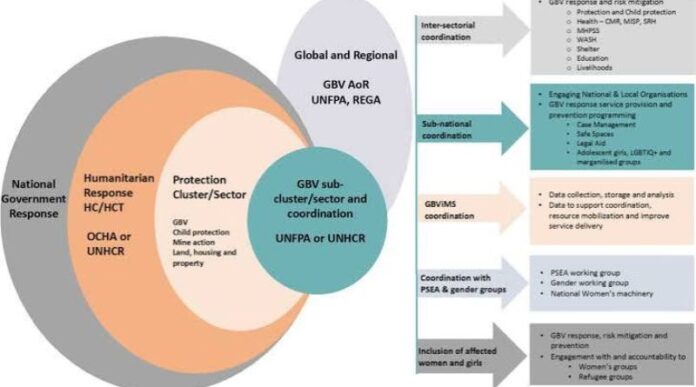
Stronger Coordination Is Needed
Effective disaster response requires cooperation between different organisations.
Government departments, hospitals, police, local authorities, humanitarian agencies and community groups should work together.
If these organisations do not communicate properly, survivors may struggle to find the right service. A woman may be sent from one office to another without receiving the help she needs.
Better coordination can make the process easier.
Authorities can create clear referral systems so that a survivor who reports violence to one organisation can quickly be connected with medical, legal and social support.
The UN study encourages stronger cooperation so that GBV services remain available even when normal systems are under pressure.
Community Awareness Can Make a Difference
Public awareness is also an important part of preventing gender-based violence.
Communities should be informed about the rights of women and girls and the services available to survivors. People should know where they can report violence and seek support.
Community leaders can play an important role in spreading this information. Schools, local organisations and religious and community groups can also help promote safety and respect.
Awareness efforts should make it clear that violence is not an acceptable response to a crisis.
At the same time, survivors should never be blamed for the violence they experience.
Building a Safer Response for Future Disasters
The UN study comes at a time when countries around the world continue to face floods, storms, earthquakes, extreme weather and other emergencies.
These events can cause major damage in a short period. But the effects on vulnerable people can continue for months or even years.
For women and girls, the risks can become greater when homes, health services, schools, jobs and community support systems are damaged.
That is why disaster planning needs to look beyond rescue and relief. Protection from gender-based violence should be considered an essential part of emergency response.
Governments can prepare by strengthening health services, improving shelters, training emergency workers and creating safe reporting systems. Humanitarian organisations can support these efforts by ensuring that their programmes are designed with the needs of women and girls in mind.
Women should also have a stronger voice in decisions about disaster preparation and recovery.
Conclusion
The UN study has highlighted the need for stronger measures to protect women and girls from gender-based violence during disasters and other emergencies.
Natural disasters can create unsafe conditions, disrupt support services and increase the vulnerability of women and girls. When health facilities, police services, courts, shelters and communication systems are affected, survivors may struggle to receive the help they need.
The study calls for GBV prevention and response to become a central part of disaster planning. Safe shelters, continued health services, legal assistance, trained staff and better reporting systems are all important.
It also stresses the value of involving women in disaster planning and recovery. Their participation can help authorities understand the risks faced by women and girls and develop more effective solutions.
Disaster response is not only about saving people during an emergency. It is also about protecting their dignity, safety and rights throughout the crisis and recovery period.
By preparing services in advance, improving coordination and ensuring that women and girls are included in decision-making, countries can build stronger systems for future emergencies. The UN study serves as a reminder that protecting vulnerable people must remain a key part of disaster response, even when communities are dealing with severe and rapidly changing conditions.
Read Also: check