

Introduction
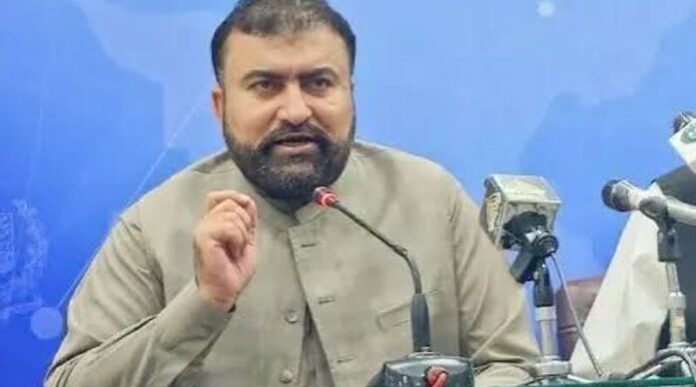
Balochistan Chief Minister Mir Sarfraz Bugti has said that the situation in Khyber Pakhtunkhwa (KP) and Balochistan cannot be compared. His statement highlights the differences between the security conditions, political challenges, and administrative issues faced by the two provinces.
Both provinces have faced security problems and other challenges over the years. However, their local conditions, security concerns, and political situations are different. According to CM Bugti, these differences must be kept in mind when discussing the problems faced by either province.
The statement has also drawn attention to the wider debate about security, governance, and the responsibilities of provincial governments in Pakistan. Both KP and Balochistan are important parts of the country, but each province has its own history, geography, and local issues that affect how the government responds to challenges.
CM Bugti Highlights Differences Between the Two Provinces
CM Sarfraz Bugti’s statement makes it clear that the situation in KP should not automatically be treated as the same as the situation in Balochistan. Although both provinces have faced security-related difficulties, the reasons behind these problems and the conditions on the ground may differ.
Khyber Pakhtunkhwa has its own security challenges, particularly in areas affected by militant activity and violence. Balochistan, meanwhile, faces a different set of concerns linked to its large geographical area, difficult terrain, security threats, and long-standing political and economic issues.
These differences make it difficult to use the same approach to understand or address every problem in both provinces. A policy that works in one area may not produce the same results in another. Provincial governments and security institutions must consider local conditions before making decisions.
Bugti’s remarks underline the importance of looking at each province separately rather than making direct comparisons without considering the facts.
Security Challenges in Khyber Pakhtunkhwa
Khyber Pakhtunkhwa has remained an important part of Pakistan’s security debate. Some districts have experienced militant attacks, violence against security personnel, and threats to local communities. These incidents have created difficulties for residents, government workers, and law enforcement agencies.
The province’s location near the Afghan border also affects its security situation. Developments across the border, the movement of armed groups, and regional security conditions can influence events inside KP.
In areas affected by violence, ordinary people often face serious difficulties. Families may worry about their safety, businesses may suffer, and children may experience interruptions in their education. Security operations can also affect daily life in areas where authorities are trying to restore peace.
The provincial government and security agencies have to deal with these challenges while ensuring that public services continue to operate. Maintaining law and order, protecting citizens, and supporting affected communities remain important responsibilities.
However, KP’s circumstances cannot be fully understood without looking at its own history, geography, political environment, and the nature of the threats faced by different districts.
Balochistan Faces Its Own Set of Problems
Balochistan is Pakistan’s largest province by area and has a distinct geographical and social structure. Its vast land, scattered population, border regions, and remote settlements create special challenges for administration and security.
Providing basic facilities in distant areas can be difficult. Roads, schools, hospitals, clean drinking water, electricity, and employment opportunities remain important concerns for many communities. The distance between towns and villages can also make it harder for public institutions to reach people quickly.
The province has also faced security threats, including attacks by armed groups. Such incidents can affect local residents, workers, transport routes, public institutions, and economic activities.
At the same time, Balochistan’s challenges are not limited to security alone. Economic development, public representation, access to services, and the creation of job opportunities are also important issues.
CM Bugti’s statement should therefore be understood in the context of the province’s individual circumstances. The problems faced by Balochistan need to be assessed according to local realities instead of being judged only through comparisons with another province.
Why Direct Comparisons Can Be Misleading
Comparing two provinces without looking at their circumstances can lead to an incomplete understanding of the problems they face. Security figures, political statements, and reports about individual incidents need to be examined carefully.
For example, the number of security incidents in a particular district does not always explain the full situation. The type of incident, the number of people affected, the reasons behind the violence, and the response of the authorities are also important.
The same applies to governance and development. One province may face greater difficulties in providing services because its population is spread across remote areas. Another may have different problems linked to its location, population centres, or security conditions.
This does not mean that comparisons should never be made. Instead, comparisons should be based on reliable information and should consider the differences between the areas being discussed.
Bugti’s position points towards the need for a more detailed discussion of the challenges facing KP and Balochistan. Rather than treating both provinces as identical, policymakers and the public need to understand their individual circumstances.
Governance and Public Services Remain Important
Security is only one part of the challenges faced by provincial governments. Providing education, healthcare, employment, transport, and other basic facilities is equally important for improving people’s lives.
In Balochistan, the province’s large size makes the delivery of public services especially challenging. Some communities live far from major cities and government offices. As a result, reaching hospitals, schools, and other facilities can take considerable time.
The provincial government has a responsibility to ensure that people in remote areas also receive the services they need. Better roads, functional schools, well-equipped hospitals, and effective local administration can help improve daily life.
In KP, the government also has to address public service needs while dealing with security concerns in affected districts. Residents need safe communities, educational opportunities, healthcare facilities, and stable economic conditions.
Both provinces require effective planning, transparent use of public funds, and strong institutions. However, the policies used to achieve these goals may need to differ according to local needs.
A successful approach should focus on practical results, including better access to services, improved safety, and more opportunities for young people.
The Importance of Understanding Local Conditions
Pakistan’s provinces have different geographical features, populations, economic activities, and histories. These differences influence the problems faced by local communities and the way governments respond to them.
Balochistan’s vast territory and remote settlements create challenges for public administration and security operations. KP has its own geographical conditions and security concerns, particularly in areas affected by militant violence.
These factors should be considered when evaluating the performance of provincial governments and security institutions. General statements alone cannot explain the full picture.
Local communities can also help identify the problems that need immediate attention. Residents understand the difficulties they face in their daily lives, including access to education, healthcare, employment, and public services.
Listening to local people and involving elected representatives in decision-making can help authorities develop more suitable policies. This approach can also improve public trust and make government programmes more effective.
For this reason, discussions about KP and Balochistan should be based on evidence, local experience, and a clear understanding of the challenges in each province.
Political Differences and the Need for Responsible Discussion
Statements about security and governance can sometimes become part of wider political debates. Political leaders may disagree over how to handle violence, how to evaluate government performance, and which policies should be followed.
However, discussions about sensitive issues require care. Unsupported claims and one-sided arguments can make it harder for people to understand the real situation.
Political leaders have an important role in explaining their positions and presenting information that helps the public make informed decisions. They should also recognise the concerns of citizens who are directly affected by security problems.
The people of KP and Balochistan should not be reduced to political arguments about which province faces greater difficulties. Residents in both provinces deserve safety, justice, economic opportunities, and access to essential services.
A constructive debate should focus on solutions rather than turning the problems of one province into a point of conflict with another.
What the Statement Means for Pakistan
CM Bugti’s remarks highlight a broader issue in Pakistan’s public debate: the need to understand regional challenges in their proper context.
KP and Balochistan are both important to Pakistan’s security, economic development, and national stability. Problems in either province can affect local communities and create wider concerns for the country.
At the same time, the solutions must take account of the different conditions in each region. Security measures, administrative reforms, development projects, and public welfare programmes should be designed according to the needs of the people they are intended to serve.
The federal government and provincial administrations can also benefit from cooperation. Sharing useful information, improving coordination, and learning from successful policies may help both provinces address common concerns.
Such cooperation does not require the two provinces to be treated as identical. Instead, it allows governments to recognise their differences while working towards shared national goals.
Ultimately, public safety and better living standards should remain central to any discussion about provincial conditions.
Conclusion
Balochistan Chief Minister Mir Sarfraz Bugti has said that the situation in Khyber Pakhtunkhwa and Balochistan cannot be compared directly. His statement draws attention to the different security, geographical, political, and administrative conditions in the two provinces.
Both regions have faced serious challenges, but the nature of these problems varies. Balochistan’s large area and scattered population create particular difficulties for administration and service delivery, while parts of KP have faced security threats linked to militant activity.
Understanding these differences is important when discussing government performance, security policies, and development plans. At the same time, both provinces need effective governance, better public services, economic opportunities, and lasting peace.
The main issue is not simply which province faces greater difficulties. It is how governments can understand local problems and develop practical solutions that protect citizens and improve their lives.
A balanced discussion based on reliable information can help the public better understand the situation in both provinces and encourage a more constructive approach to Pakistan’s wider challenges.
Frequently Asked Questions (FAQs)
1. Who is CM Sarfraz Bugti?
Mir Sarfraz Bugti is a Pakistani politician who serves as the Chief Minister of Balochistan.
2. What did CM Bugti say about KP and Balochistan?
He said that the situation in Khyber Pakhtunkhwa and Balochistan cannot be directly compared because the two provinces face different circumstances.
3. Why do KP and Balochistan face different challenges?
Their geography, population distribution, security conditions, political environments, and administrative needs differ.
4. What are the main challenges facing Balochistan?
The province faces security threats and difficulties related to its large geographical area, public service delivery, employment, education, and healthcare.
5. What security concerns affect KP?
Some districts in KP have experienced militant attacks and other security incidents, creating challenges for residents and law enforcement agencies.
6. Why is good governance important in both provinces?
Effective governance can improve public safety, strengthen public services, create economic opportunities, and help address the needs of local communities.
7. Can the two provinces learn from each other?
Yes. Both provinces can share useful experiences and successful policies while adapting them to their own local conditions.
Read Also: check


