

Introduction
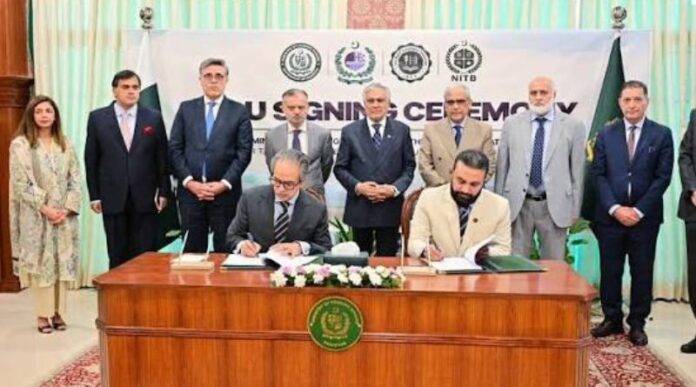
The Election Commission (EC) has partnered with the Ministry of Foreign Affairs to improve the process of degree verification through digital technology. This step is aimed at making the verification process easier, faster, and more reliable by reducing the need for manual paperwork and lengthy procedures.
Degree verification is an important process for people who need to confirm their educational qualifications for official purposes. It can be especially important for individuals applying for jobs, completing official documentation, or meeting other legal and administrative requirements. By working together, the two government departments aim to improve coordination and make the exchange of educational information more efficient.
The partnership also reflects the growing use of digital services in government offices. As public institutions move towards online systems, citizens can benefit from better access to services, improved record management, and fewer delays caused by traditional paperwork.
However, the exact scope of the new arrangement, including its implementation schedule and the documents covered, will depend on the official details released by the relevant authorities.
What Is the Digital Degree Verification Initiative?
Digital degree verification refers to the process of checking and confirming educational documents through electronic systems. Instead of depending entirely on physical documents, printed letters, and manual checks, authorised departments can use digital methods to exchange information and verify records.
The partnership between the Election Commission and the Ministry of Foreign Affairs is intended to support a more organised verification process. By improving communication between the departments, the initiative may help reduce unnecessary steps and make it easier to confirm the authenticity of educational documents.
In a traditional system, verification can involve several stages. Applicants may need to submit documents, provide copies of their degrees, and wait while the relevant offices review their records. If information is missing or additional confirmation is required, the process can take even longer.
A digital system can help reduce these difficulties by allowing authorised officials to access or exchange the information needed for verification. This can improve the speed of administrative work and make the process more convenient for applicants.
Digital verification does not mean that every document will automatically be accepted. Educational records must still be checked according to the rules and procedures set by the relevant authorities.
Why Has the Election Commission Joined Hands With the Foreign Ministry?
Government departments often need information from other institutions to complete official tasks. When these departments work separately, the exchange of documents and information can become slow and complicated.
The Election Commission and the Ministry of Foreign Affairs perform different responsibilities, but coordination between government bodies can help improve administrative services.
The Election Commission deals with election-related matters and the management of electoral processes. The Ministry of Foreign Affairs handles Pakistan’s foreign relations and provides various services related to official documents used abroad.
A partnership between these institutions can help create a more organised way of handling relevant verification requirements. Digital communication may also reduce the need to send physical documents from one office to another.
The main purpose of such cooperation is to make official processes more efficient while maintaining the required checks.
For applicants, an improved verification system could mean fewer visits to government offices, less paperwork, and a clearer process for submitting and checking documents.
For government officials, it could make record management easier and help reduce delays caused by manual procedures.
How Digital Degree Verification Can Work
Although the exact technical details of the arrangement need to be confirmed through official information, a digital degree verification process generally follows several steps.
1. Submission of Required Documents
The process may begin when an applicant submits the required educational documents to the relevant authority. Depending on the applicable rules, these documents could include a degree certificate, supporting records, or other information needed to identify the qualification.
Applicants may be required to provide accurate personal details so officials can match the submitted documents with the correct educational records.
2. Review of Educational Information
After receiving the documents, the relevant authority can review the available information. This step helps determine whether the submitted records contain the details needed for verification.
Where digital records are available, electronic systems can make it easier for authorised officials to review the information.
3. Coordination Between Government Departments
The next step may involve communication between the departments responsible for the relevant part of the verification process.
Digital coordination can reduce delays that occur when offices depend on physical files, letters, or repeated requests for information.
However, the exact responsibilities of the Election Commission and the Ministry of Foreign Affairs under this partnership should be understood through their official announcements.
4. Confirmation of the Documents
Once the required checks have been completed, the relevant authority can provide the verification result according to its established procedures.
This step is important because digital technology can improve the process, but the authenticity of educational records must still be established through authorised checks.
5. Completion of the Official Process
After verification, applicants may be able to use the confirmed documents for the purpose for which they were requested.
The method of receiving the result, the time required, and any applicable charges will depend on the official system and the rules of the relevant department.
Benefits of Digital Degree Verification
The move towards digital verification can offer several benefits for citizens and government departments.
Faster Processing
One of the biggest advantages of digital services is the potential to reduce processing time.
Traditional verification can involve physical files, printed documents, and communication between different offices. These steps may cause delays, particularly when a document needs to be checked by more than one department.
Digital systems can make the exchange of information easier and help officials complete routine tasks more efficiently.
However, the actual time saved will depend on how the system is designed, how records are maintained, and whether additional checks are required.
Less Paperwork
Paper-based systems often require applicants to submit several copies of their documents. Officials may also need to maintain physical records and send files to other offices.
A digital approach can reduce the amount of paperwork involved in suitable cases.
This can make the process easier for applicants while helping government departments manage records more effectively.
Reducing paperwork may also lower printing and storage costs over time.
Improved Convenience for Applicants
Visiting government offices can be difficult for people who live far away or have limited time. Applicants may need to travel more than once if a document is missing or an additional check is required.
If digital verification reduces the need for physical visits, citizens could save both time and travel expenses.
This may be particularly useful for people who need official documents for employment, education, or other administrative purposes.
Still, applicants should follow the instructions issued by the relevant authorities rather than assume that every stage can be completed online.
Better Coordination Between Departments
Government services often require cooperation between different institutions. Poor communication can result in repeated requests, incomplete records, and unnecessary delays.
Digital systems can improve the sharing of information between authorised offices.
Better coordination can also help officials identify missing information earlier and reduce repeated work.
The success of the Election Commission and Foreign Ministry partnership will depend partly on how effectively the departments coordinate their responsibilities.
More Organised Record Management
Electronic records can be easier to organise, search, and update than large collections of physical files.
When properly maintained, digital systems can help officials find information quickly and keep track of verification requests.
They can also support better monitoring of applications and make it easier to identify cases that need further attention.
However, digital records must be accurate and regularly maintained. Old or incorrect information can create problems even when an online system is available.
Importance for Pakistan’s Digital Government Services
Pakistan has been working to expand the use of technology in public services. Digital systems can help government institutions improve their operations and provide services in a more convenient way.
The partnership for digital degree verification fits into this wider move towards modernising administrative processes.
Many citizens interact with government departments for different reasons, including identity documents, educational records, employment requirements, and official certificates. When these services depend heavily on physical paperwork, the process can become difficult and time-consuming.
Digital services can reduce some of these challenges by making information easier to access for authorised officials.
They can also help government departments use their resources more effectively. Instead of spending excessive time handling paper files, employees may be able to focus on reviewing applications, checking information, and resolving complicated cases.
However, introducing technology alone is not enough. Departments also need clear procedures, trained staff, reliable systems, and proper support for applicants.
A successful digital service should be easy to understand and accessible to people with different levels of technical knowledge.
Digital Verification and the Role of the Foreign Ministry
The Ministry of Foreign Affairs plays an important role in Pakistan’s international relations and in matters involving official documents used in foreign countries.
People may need educational documents for overseas employment, higher education, immigration-related procedures, or other official requirements. Depending on the purpose, these documents may need verification or additional authentication.
The process can involve different authorities, and the requirements may vary according to the type of document and the country where it will be used.
Digital coordination can help make the exchange of information more efficient where the participating departments are responsible for relevant checks.
Nevertheless, degree verification and document attestation are not always the same thing. Verification checks whether a document or qualification is genuine, while attestation generally involves an authorised confirmation of a document for an accepted purpose.
Applicants should therefore check the exact requirements for their situation before submitting documents.
They should also avoid assuming that a digital verification result automatically replaces any separate attestation, recognition, or legalisation requirement.
Challenges That Must Be Addressed
Digital degree verification has the potential to improve public services, but its success will depend on how well the system addresses practical challenges.
Accuracy of Educational Records
The system needs access to accurate information. If educational records contain errors or are incomplete, verification may still take time.
Government departments and the relevant educational institutions must ensure that information is checked carefully.
Data Protection and Privacy
Educational documents contain personal information. Any digital system used to handle these records must protect that information from unauthorised access.
Only authorised officials should be able to access the records needed for their duties.
Strong security measures and clear rules for handling personal information are important for maintaining public trust.
Technical Problems
Digital platforms can experience technical issues, including system failures, slow processing, and problems accessing records.
Government departments need reliable systems and support arrangements to address these issues.
Applicants should also receive clear instructions if they face difficulties while submitting documents or checking their status.
Public Awareness
A new digital service can only be useful if people know how it works.
Authorities should explain the purpose of the system, the documents required, the steps involved, and the official channels applicants should use.
Clear guidance can help prevent confusion and reduce the risk of people relying on incorrect information.
Support for People With Limited Digital Access
Not every citizen has reliable internet access or feels comfortable using online services.
If digital options are introduced, suitable assistance should remain available for people who need help understanding the process.
An effective system should make public services easier to access rather than create new barriers.
What Applicants Should Keep in Mind
People who need degree verification should continue to follow the existing official instructions until the relevant authorities announce any changes.
They should prepare accurate documents, check the requirements for their particular case, and use authorised government channels.
Applicants should also confirm whether they need verification, attestation, or another form of document approval. These requirements can differ depending on the purpose of the application.
It is equally important to check any official information about processing times, fees, eligibility, and online submission facilities.
Until the authorities publish complete guidance, applicants should not assume that all degree verification requests will be handled through a single digital platform or completed without physical documents.
Following official instructions can help avoid unnecessary delays and repeated submissions.
Future of Digital Public Services in Pakistan
The partnership between the Election Commission and the Ministry of Foreign Affairs highlights the value of cooperation between government departments.
When institutions use technology to improve their procedures, they can make public services more organised and reduce some of the difficulties associated with traditional paperwork.
In the future, stronger digital coordination could help government offices manage records more efficiently, improve communication, and provide clearer information to citizens.
However, these benefits will depend on the quality of implementation. Systems need to be secure, reliable, and supported by clear rules.
Government departments must also ensure that digital services work properly for people who have limited internet access or need additional assistance.
Regular improvements, staff training, and public guidance can help make digital services more useful over time.
Conclusion
The Election Commission’s partnership with the Ministry of Foreign Affairs for digital degree verification represents a step towards improving coordination and modernising government procedures.
Digital verification can help reduce paperwork, improve the exchange of information, and make administrative work more efficient. It may also make the process more convenient for applicants who need their educational documents checked for official purposes.
At the same time, the success of the initiative will depend on accurate records, strong data protection, reliable technology, and clear instructions from the relevant authorities.
Citizens should wait for official guidance about the exact procedure and continue to follow the existing requirements until any changes are formally announced.
If implemented effectively, digital coordination could contribute to a more efficient and accessible system for handling educational documents in Pakistan.
Frequently Asked Questions (FAQs)
1. What is digital degree verification?
Digital degree verification is the process of checking the authenticity of educational qualifications through electronic systems and authorised records instead of relying entirely on physical paperwork.
2. Which departments are involved in this partnership?
The partnership involves the Election Commission and the Ministry of Foreign Affairs. The exact responsibilities of each department should be confirmed through official announcements.
3. What are the main benefits of digital degree verification?
Potential benefits include faster processing, less paperwork, better coordination between departments, improved record management, and greater convenience for applicants.
4. Will applicants be able to complete the entire process online?
That depends on the official arrangements. Applicants should not assume that every step will be available online until the relevant authorities provide clear instructions.
5. Is degree verification the same as degree attestation?
No. Verification checks whether a degree or educational record is genuine. Attestation is an authorised confirmation of a document for a particular official purpose. The requirements depend on the situation.
6. How can applicants get accurate information about the new system?
Applicants should check official announcements and guidance from the Election Commission and the Ministry of Foreign Affairs. They should confirm the required documents, applicable fees, and submission procedure before applying.
Read Als0 check


