
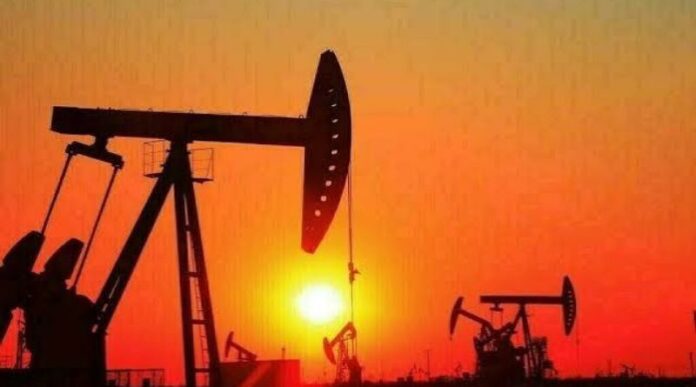

Pakistan’s leading oil and gas exploration company, Oil and Gas Development Company Limited (OGDCL), has started gas production from a newly developed well in Khairpur, Sindh. The development is an important step towards increasing local gas supplies and making better use of the country’s natural resources.
The start of production from the new well highlights the importance of exploring and developing local energy sources at a time when Pakistan continues to face challenges in meeting its energy needs. Gas is widely used in homes, industries, power plants, and other parts of the economy. Increasing local production can help support these users and reduce some of the pressure on imported energy.
The latest development also shows the role of exploration companies in finding new sources of energy within Pakistan. However, the long-term impact of the project will depend on the amount of gas produced, the well’s production performance, and how much gas can be supplied to the national system.
OGDC Expands Its Gas Production Operations
OGDCL is one of Pakistan’s major energy companies. It works to find oil and gas reserves, develop wells, and bring discovered resources into production. The company operates in different parts of the country and plays an important role in supporting domestic energy supplies.
The start of gas production from the new Khairpur well represents another development in these activities. Discovering gas underground is only one part of the process. Companies must also complete the technical work needed to bring the resource to the surface and prepare it for supply.
Once a well begins producing gas, the resource can potentially become part of the wider energy supply system, subject to the required processing, transportation arrangements, and operational conditions.
For Pakistan, such projects are important because local gas production can help meet a portion of the country’s energy demand. Every successful production project adds to the country’s efforts to make better use of its existing natural resources.
The exact contribution of the Khairpur well will depend on its production capacity and the amount of gas it can deliver over time. Details about its daily output, reserves, and expected production life are important for understanding its overall value.
Why the Khairpur Development Matters
Khairpur is located in Sindh, a province that has an important place in Pakistan’s oil and gas sector. The region’s energy resources offer opportunities for exploration companies to identify and develop underground reserves.
Starting production from a new well can bring several benefits. It can increase the availability of locally produced gas, support the energy sector, and create opportunities for related services and businesses.
Gas production also requires the work of engineers, technicians, transport operators, and other skilled workers. Depending on the scale of a project, these activities can support employment and business opportunities in the surrounding areas.
At the same time, the value of a new well should not be judged only by the announcement of production. Its performance over the coming months and years will help determine how much it contributes to Pakistan’s energy supply.
A well that produces gas steadily can provide a useful source of energy for an extended period. On the other hand, production may change depending on underground pressure, reservoir conditions, maintenance needs, and other technical factors.
Bitrism East-1 Well Produces Gas and Condensate
The new well is known as Bitrism East-1, an exploratory well located in Khairpur district of Sindh. According to reports published on October 22 and 23, 2026, the well has started producing both natural gas and condensate.
The initial production figures show that the well is producing around 7 million standard cubic feet of gas per day (MMSCFD). It is also producing approximately 200 barrels of condensate daily. Condensate is a light liquid hydrocarbon that can be separated from natural gas during processing.
These figures provide an early picture of the well’s contribution to Pakistan’s energy sector. The company expects production to increase gradually as the flow from the well becomes more stable.
The initial output is an important step, but production levels may change as the company continues to monitor the well. Engineers will need to check its performance and make sure that gas can be produced and delivered safely and efficiently.
The discovery was announced on October 1, 2025. The company found hydrocarbons in the Massive and Basal Sands of the Lower Goru Formation. The start of production means that the discovery has moved beyond the exploration stage and is now supplying energy to the local network
A 28-Kilometre Pipeline Connects the Well to the Processing Plant
One of the main steps in bringing the Bitrism East-1 well into production was building the pipeline needed to transport its output.
OGDCL laid a flowline of approximately 28 kilometres, with a diameter of eight inches, to connect the well with the Sinjhoro processing plant. The company used its own resources to complete this work.
A flowline is an important part of an oil and gas project. It carries the extracted resource from the well to a processing facility, where it can be prepared for further use.
Natural gas coming directly from underground may contain other substances that need to be separated or treated before it can enter the supply network. Processing helps prepare the gas for delivery according to the required standards.
In the case of Bitrism East-1, the connection to the Sinjhoro plant allows the company to process the gas before supplying it to the distribution system.
Building this connection is important because a discovery cannot make its full contribution to the energy sector unless the company has the necessary facilities to bring the resource into the supply chain.
The pipeline therefore plays a key role in turning the discovery into a producing asset. It also provides the physical link between the well and the wider gas distribution system.
Gas Is Now Being Supplied to the SSGCL Network
After processing, the gas from Bitrism East-1 is being supplied to the network of Sui Southern Gas Company Limited (SSGCL). This means that production from the new well has entered Pakistan’s domestic gas supply system.
SSGCL operates a major gas distribution network in Pakistan, particularly in Sindh and Balochistan. Adding locally produced gas to this network can help improve the availability of domestic energy resources.
Gas supplied through the network can serve different categories of consumers, depending on supply arrangements, demand, and the operating conditions of the distribution system.
These consumers may include households, commercial businesses, and industrial users. Gas is also an important input for several sectors of the economy, making a steady supply necessary for daily activities and industrial production.
However, the start of production from a single well does not automatically mean that every consumer will receive more gas or experience fewer supply interruptions. The final effect depends on total production, demand, network capacity, and the way available supplies are managed.
Even so, adding another producing well is a positive development for the country’s domestic energy resources.
How the New Well Can Support Pakistan’s Energy Needs
Pakistan needs a dependable supply of energy to support its growing population and economic activities. Natural gas remains an important part of the country’s energy mix, but meeting demand can be difficult when domestic production is not enough.
When local gas production increases, the country has an additional source of energy that can be used within its own supply system. This can help reduce the gap between available resources and consumer demand.
The Bitrism East-1 well is expected to support this effort by adding gas to the SSGCL network. Its daily production of around 7 million standard cubic feet represents a new contribution to local supplies.
Domestic production can also help Pakistan manage its dependence on imported energy. Imports can place pressure on foreign exchange reserves and expose the country to changes in international prices. Producing more energy at home may reduce some of these pressures, although the overall impact depends on national demand and the scale of domestic output.
It is important to keep expectations realistic. One well alone cannot solve Pakistan’s wider energy problems. The country needs a combination of new discoveries, better production from existing fields, improved infrastructure, and responsible energy use.
The development in Khairpur is one part of that wider effort.
OGDCL and Its Joint Venture Partner
OGDCL is operating the Bitrism Exploration Licence and holds a 77.5% working interest in the project. Government Holdings (Private) Limited (GHPL), its joint venture partner, holds the remaining 22.5%.
A working interest represents a company’s share in an oil and gas project. It generally determines the share of costs and benefits associated with that interest, subject to the project’s agreements.
Working together allows companies to take part in exploration and production activities while sharing responsibilities according to their agreed interests.
For OGDCL, bringing Bitrism East-1 into production reflects its effort to move discoveries into active operations. Finding underground reserves is an important achievement, but developing the required facilities and starting production are equally important steps.
The use of the company’s own resources to construct the pipeline also highlights the role of technical planning and infrastructure development in bringing new gas supplies to market.
The success of such projects depends on several factors, including geological conditions, engineering work, investment, production management, and access to processing and distribution facilities.
What Could Happen Next?
The next important development will be the performance of the Bitrism East-1 well over time.
OGDCL has indicated that production is expected to rise gradually as the flow stabilises. This means that the company will continue to observe the well’s performance and assess whether output can be increased safely.
If production grows as expected, the well could make a larger contribution to domestic gas supplies than its initial output suggests. However, the actual increase will depend on technical results and operating conditions.
The company will also need to maintain the well, pipeline, and related facilities. Regular inspection and maintenance help support safe operations and reduce the risk of unexpected interruptions.
Future production reports can provide a clearer picture of the well’s output, the amount of gas delivered to the network, and its contribution to OGDCL’s overall operations.
Information about estimated reserves, expected production life, and future investment would also help investors and energy-sector observers understand the project’s long-term value.
At present, the reported production figures provide a useful starting point, while further updates will show how the well performs as operations continue.
Importance for Pakistan’s Energy Sector
The start of production from Bitrism East-1 is another example of the process required to turn an underground discovery into a useful energy source. It involves exploration, drilling, pipeline construction, processing, and connection to the distribution network.
Each of these steps is necessary if a new discovery is to contribute to the country’s energy supply.
The development also highlights the importance of continuing exploration in areas where oil and gas resources may be available. Successful projects can add to domestic supplies and support the wider energy industry.
At the same time, Pakistan needs long-term planning to make sure that new resources are used efficiently. Increasing production is valuable, but reducing losses, improving infrastructure, encouraging energy efficiency, and developing alternative energy sources also remain important.
A balanced approach can help the country manage its energy needs more effectively in the coming years.
Conclusion
OGDCL has started gas and condensate production from the Bitrism East-1 exploratory well in Khairpur district, Sindh. The well is currently producing around 7 million standard cubic feet of gas and 200 barrels of condensate per day, with output expected to increase gradually as the flow stabilises.
The company has connected the well to the Sinjhoro processing plant through an approximately 28-kilometre pipeline. After processing, the gas is being supplied to the SSGCL network, adding to Pakistan’s local energy resources.
OGDCL holds a 77.5% working interest in the project, while GHPL owns the remaining 22.5%.
Although the new well will not resolve all of Pakistan’s energy challenges, it represents a useful step towards increasing domestic gas production. Its long-term value will depend on how much gas it can produce consistently and how effectively that output supports the national supply system.
As production develops, further updates will help show the project’s overall contribution to Pakistan’s energy security.
Frequently Asked Questions (FAQs)
1. What has OGDCL announced in Khairpur?
OGDCL has started gas and condensate production from its Bitrism East-1 exploratory well in Khairpur district, Sindh.
2. How much gas is the new well producing?
The well is currently producing around 7 million standard cubic feet of gas per day.
3. Is the well producing anything besides gas?
Yes. It is also producing approximately 200 barrels of condensate per day.
4. Where is the Bitrism East-1 well located?
The well is located in Khairpur district in Sindh province, Pakistan.
5. When was the discovery announced?
OGDCL announced the discovery at Bitrism East-1 on October 1, 2025.
6. Where is the gas processed?
The gas is transported to the Sinjhoro processing plant before being supplied to the distribution network.
7. Which company receives the processed gas?
The processed gas is being supplied to the Sui Southern Gas Company Limited (SSGCL) network.
8. How long is the pipeline connecting the well to the plant?
The pipeline is approximately 28 kilometres long and has a diameter of eight inches.
9. Who owns the working interests in the project?
OGDCL holds a 77.5% working interest, while Government Holdings (Private) Limited holds 22.5%.
10. Can the new well help Pakistan’s energy supply?
Yes. The well adds locally produced gas to the domestic supply network. Its overall impact will depend on production levels, future output, and national energy demand.
Read Also: check