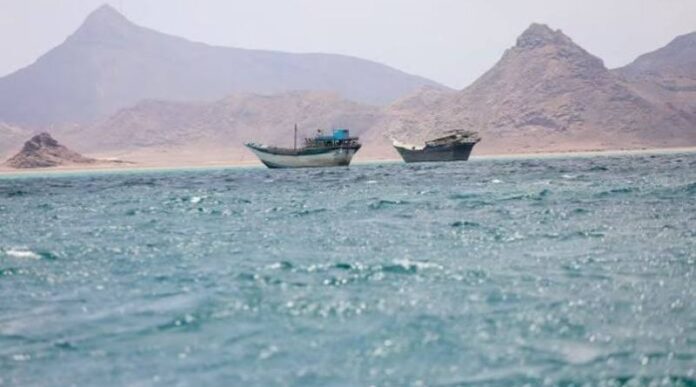

Pakistan has issued a strong warning against any attack on a tanker stranded in the Red Sea, saying that such an action could be treated as an “act of war.” The warning comes as concerns continue to grow over the safety of ships and crews operating in the region amid rising tensions and repeated attacks on commercial vessels.
The situation has added another layer of uncertainty for international shipping companies, traders and countries that depend on the Red Sea for the movement of goods and energy supplies. Any major incident involving a tanker could have wider effects on maritime trade, fuel supplies and shipping costs.
Pakistan Raises Concern Over Tanker’s Safety
Pakistan has expressed concern over the situation involving the stranded tanker and called for restraint. The government’s warning highlights the seriousness of any possible military action against a vessel that is already facing difficulties in the Red Sea.
Officials have stressed that ships carrying commercial cargo must be protected and that any attack could create a dangerous situation in an already tense area.
The Red Sea is an important shipping route connecting the Mediterranean Sea with the Indian Ocean through the Suez Canal. Thousands of commercial vessels use the route every year to transport fuel, food, machinery, consumer products and other goods between Asia, Europe and other parts of the world.
Because of its importance, any disruption in the area can quickly become an international issue.
Pakistan’s warning also reflects the wider concern that an attack on a commercial tanker could increase tensions between regional and international powers. If the situation gets worse, more ships could avoid the route, forcing them to take longer and more expensive journeys.
Why the Red Sea Is So Important
The Red Sea is one of the world’s key maritime routes. It provides a relatively direct connection between Europe and Asia through the Suez Canal.
Ships travelling between major Asian and European markets can save a significant amount of time by using this route instead of going around Africa.
The route is especially important for energy shipments and other goods. Oil products, chemicals and industrial materials regularly move through the region.
When shipping companies face security threats, they may decide to change their routes. This can increase travel time, fuel use and insurance costs.
For countries such as Pakistan, these changes can have an impact even when the incident happens far away.
Higher shipping expenses can eventually affect the price of imported goods. Energy imports can also become more expensive when ships have to travel longer distances.
Rising Security Concerns
Security conditions in the Red Sea have remained a major concern for international shipping.
Commercial vessels have faced threats in the region, leading some shipping companies to temporarily suspend or reduce their use of the route. Some vessels have instead travelled around the Cape of Good Hope at the southern tip of Africa.
That alternative route is much longer.
A ship travelling around Africa may need additional days or even weeks depending on its origin and destination. The longer journey means higher fuel consumption and increased operating expenses.
Shipping companies may also face higher insurance costs when operating in areas considered risky.
These extra costs can eventually reach consumers because companies generally include transport and insurance expenses in the final price of goods.
This is why developments in the Red Sea are closely watched by governments and businesses around the world.
The Stranded Tanker Issue
The latest warning from Pakistan focuses on a tanker that has become stranded in the Red Sea.
A stranded vessel presents a difficult situation because its ability to move or protect itself can be limited. If the ship is carrying fuel or other potentially dangerous material, an attack could also create environmental and safety risks.
Damage to a tanker can result in fires, fuel leaks or other serious problems. Such an incident could put the lives of crew members at risk while also affecting other ships operating nearby.
Pakistan has therefore warned against taking military action against the vessel.
Calling a possible attack an “act of war” shows how seriously Islamabad views the situation. It also sends a message that attacks on commercial shipping can have consequences beyond the immediate area.
Risk to Crew Members
One of the biggest concerns in any tanker incident is the safety of the people on board.
Commercial ships are operated by civilian crews who are responsible for navigation, cargo handling, engineering and other tasks. They are not military personnel.
If a tanker comes under attack, crew members may have very little time to respond. Fire, explosions or damage to the ship can quickly turn a security incident into a life-threatening emergency.
For this reason, international maritime rules and long-standing practices place strong importance on the protection of civilian shipping.
Pakistan’s warning is also linked to this wider principle. Any action against a vessel should take into account the safety of the people on board and the possible consequences for other ships in the area.
Possible Impact on Global Trade
The Red Sea crisis is not limited to the countries surrounding the waterway.
The route is part of a major global supply chain. Products manufactured in Asia are shipped to European and Middle Eastern markets through the region. European products and other goods also move in the opposite direction.
If more ships avoid the Red Sea, supply chains can become slower and more expensive.
A longer shipping route requires more fuel and crew time. It can also reduce the number of trips a vessel can complete during a given period.
For businesses, this may lead to higher transport costs.
Some companies may pass those additional costs on to customers. Others may face delays in receiving raw materials or finished products.
The effects can therefore reach far beyond the shipping industry.
Energy Supplies Could Face Pressure
Oil and other energy products are another important part of the Red Sea shipping system.
Any major disruption involving tankers could create concern in international energy markets. Even when actual supplies are not immediately affected, fears about future disruptions can influence shipping arrangements and market expectations.
Countries that depend heavily on imported fuel are particularly sensitive to changes in global transport costs.
Pakistan imports a large share of its energy needs, making international shipping conditions important for its economy.
If tanker operators face higher insurance or transportation costs, import bills can rise.
That can put additional pressure on fuel prices, businesses and consumers.
Pakistan’s Position
Pakistan has repeatedly stressed the importance of peace, stability and safe international trade routes.
The country’s geographic position gives it a strong interest in developments across the wider Middle East and Indian Ocean region.
Pakistan relies on sea routes for a large part of its international trade. Karachi and Port Qasim are major gateways for imports and exports.
Any long-term disruption to international shipping can therefore affect Pakistan’s trade and economy.
A serious incident in the Red Sea could also create additional pressure on shipping routes connecting Asia with Europe and the Middle East.
For Islamabad, preventing further escalation is therefore important not only from a security point of view but also from an economic perspective.
Why an Attack Could Escalate the Situation
An attack on a tanker can have consequences beyond damage to one ship.
If the vessel is linked to a particular country or company, an attack could trigger diplomatic or military responses. Other countries may then become involved, increasing the risk of a wider confrontation.
This is one reason Pakistan has used strong language in warning against an attack.
The term “act of war” carries serious political and legal weight. It suggests that an attack could be viewed as more than an ordinary maritime security incident.
However, the exact legal consequences would depend on the circumstances, including who carried out the attack, the status of the vessel, the location of the incident and the nature of the action.
Shipping Companies Watching Closely
International shipping companies are likely to continue monitoring the situation closely.
Their decisions depend on several factors, including security risks, insurance costs, fuel prices and the availability of alternative routes.
When the risk becomes too high, companies may choose to reroute their vessels.
While rerouting can reduce exposure to danger, it also comes with financial costs.
For businesses already dealing with higher operating expenses, longer journeys can create additional pressure.
The tanker situation is therefore being watched not only by governments but also by shipping companies, insurers, energy traders and global businesses.
What Could Happen Next?
The immediate priority is expected to remain the safety of the tanker and its crew.
Avoiding an attack could help prevent the situation from becoming a larger regional crisis. Diplomatic communication and coordination between countries may also play an important role in reducing tensions.
The broader security situation in the Red Sea will continue to influence decisions by shipping companies.
If the area remains dangerous, more vessels could continue using alternative routes. If security improves, some operators may gradually return to the shorter Red Sea route.
For now, uncertainty remains a major problem.
A Warning With Wider Implications
Pakistan’s warning over the stranded tanker comes at a time when the Red Sea remains a sensitive area for international shipping.
The issue is important because a commercial vessel is involved, and any attack could put civilian lives at risk while also damaging a key global trade route.
An incident involving a tanker could have several consequences at the same time. It could threaten the crew, cause environmental damage, disrupt shipping and increase transportation costs.
It could also increase tensions between countries and create a wider security problem.
Pakistan’s use of the phrase “act of war” underlines the seriousness of the situation and its call to avoid further escalation.
The Red Sea is not just a regional waterway. It is an important part of the global trading system. Millions of tonnes of goods and energy products pass through connected routes, making stability in the region important for countries far beyond the Middle East.
For Pakistan, the issue has both security and economic importance. Any disruption to international shipping can affect the cost of imports, energy supplies and trade.
As the situation develops, governments and shipping companies will be watching closely for signs of further escalation or a move toward a peaceful solution.
For now, the focus remains on protecting the stranded tanker, keeping its crew safe and preventing another incident from turning an already tense maritime situation into a much larger crisis.
Read Also: check