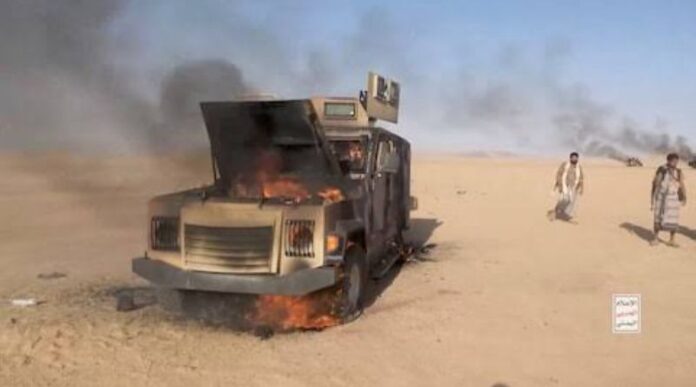

Saudi Arabia has reported that its air defence forces intercepted and destroyed a drone launched by Yemen’s Houthi rebels, with the Saudi-led coalition saying the aircraft was heading towards the holy city of Makkah. The incident has increased tensions in the region and was followed by fresh Saudi strikes against Houthi positions inside Yemen.
The Houthis, however, rejected the Saudi claim that the drone was targeting Makkah. The group said its attacks were aimed at other targets and denied that it had deliberately directed a drone towards the holy city.
The latest exchange comes amid continued tensions between Saudi Arabia and the Houthi movement, which has carried out drone and missile attacks from Yemen during the long-running conflict. Saudi Arabia has repeatedly said that its air defence systems are being used to protect its cities and important sites from attacks launched from across the border.
Saudi Arabia Says Drone Was Heading Towards Makkah
According to the Saudi-led coalition, the drone was detected while moving towards Saudi territory. Saudi forces said the aircraft was intercepted before it could reach its reported destination.
The coalition described the incident as a serious security matter because of the direction in which the drone was travelling. Makkah is Islam’s holiest city and is home to the Kaaba, the central site of worship for Muslims around the world.
Saudi authorities have previously warned that any attack or threat involving the holy sites would be treated with great seriousness. The country hosts millions of Muslims every year who travel to Makkah and Madinah for Umrah and Hajj.
The reported interception therefore attracted attention not only in Saudi Arabia but also across the wider Muslim world.
Saudi officials said their forces were able to identify and destroy the drone before it could cause damage. The incident also highlighted the continuing threat posed by drones in the Yemen conflict.
Houthis Reject the Targeting Claim
The Houthi movement denied that it had targeted Makkah.
The group has carried out numerous drone and missile operations during the conflict, but it has often said that its attacks are directed at military or strategic targets rather than religious sites.
Following the Saudi announcement, Houthi representatives rejected the accusation and said the group did not intentionally target Makkah.
The disagreement over the intended target has added another layer to the ongoing dispute between the two sides. Saudi Arabia has frequently accused the Houthis of threatening its territory, while the Houthis have presented their military operations as part of their wider fight against Saudi Arabia and its allies.
Because both sides give different accounts of military incidents, details about the exact route, target and purpose of individual attacks can be difficult to independently confirm.
Saudi Forces Launch New Strikes in Yemen
The reported drone interception was followed by Saudi-led military action against Houthi positions in Yemen.
Saudi forces launched strikes against areas linked to the rebel movement as tensions rose following the latest attacks. The strikes were part of the wider military campaign that Saudi Arabia and its allies have carried out against the Houthis during the Yemen conflict.
Airstrikes have been a major part of the war in Yemen. Saudi Arabia has used its air power to target Houthi military sites, weapons facilities and other locations it says are being used to launch attacks against Saudi territory.
The Houthis, meanwhile, have repeatedly accused Saudi Arabia and its allies of attacking civilian areas and causing destruction in Yemen.
The latest strikes again raised concerns about the effect of the conflict on ordinary Yemenis, who have faced years of fighting, displacement and economic hardship.
Yemen Conflict Remains a Major Regional Issue
The Yemen war has developed into one of the most serious conflicts in the Middle East.
The Houthis took control of large parts of Yemen, including the capital Sanaa, during the conflict. Saudi Arabia later formed a coalition and began military operations in Yemen after the internationally recognised Yemeni government lost control of major areas.
Since then, the conflict has involved airstrikes, missile attacks, drone operations and fighting on the ground.
The war has also become part of a wider regional struggle involving Saudi Arabia and Iran. The Houthis have been supported by Iran, although the exact nature and level of that support has been the subject of continuing international debate.
Saudi Arabia has viewed the Houthi movement as a major security threat because of its ability to launch missiles and drones towards Saudi territory.
For years, Saudi cities and infrastructure have faced attacks claimed by the Houthis. These incidents have included attempts to target airports, oil facilities, military locations and other strategic sites.
Drones Have Changed Modern Warfare
The latest incident also shows the growing importance of drones in conflicts around the world.
Unmanned aircraft can be relatively cheaper and easier to operate than traditional military aircraft. Armed groups can use drones to attack targets located many kilometres away, creating a challenge for air defence systems.
Saudi Arabia has invested heavily in systems designed to detect and intercept missiles and drones. These systems have become an important part of the country’s defence strategy.
The ability to stop an incoming drone before it reaches its target can prevent deaths and damage. However, repeated drone attacks can still create security concerns and put pressure on countries to maintain constant surveillance and strong air defence.
The Houthi movement has used drones and missiles as important parts of its military operations. The group has claimed responsibility for several attacks against Saudi Arabia and other targets in the region.
Why Makkah Is So Important
The Saudi claim has received particular attention because Makkah holds a unique position in Islam.
Muslims around the world face the Kaaba during their daily prayers. The city also receives huge numbers of visitors for Hajj and Umrah.
Any reported threat involving Makkah can therefore have consequences far beyond the military situation between Saudi Arabia and the Houthis.
Saudi Arabia has consistently stressed that the protection of the holy cities is one of its key responsibilities. Security around Makkah is especially strict during major religious seasons when millions of people gather in and around the city.
A drone incident near the city would naturally raise concerns about the safety of pilgrims and residents.
At the same time, the Houthi denial means that the question of whether Makkah was actually the intended target remains disputed.
Different Claims Make Verification Difficult
Military conflicts often produce different versions of the same event.
In this case, Saudi authorities said the drone was heading towards Makkah, while the Houthis denied targeting the holy city. Without independent evidence showing the drone’s flight path, launch location and intended target, it can be difficult to establish the complete picture.
This is common in the Yemen conflict, where information is often released by military and political actors with different interests.
Reports about missile and drone attacks can also change as more information becomes available.
For this reason, the claims made by the Saudi-led coalition and the Houthis need to be considered separately from independently verified facts.
The confirmed part of the incident, based on the Saudi account, is that Saudi forces reported intercepting a drone. The disagreement concerns where the drone was heading and what the Houthis intended to hit.
Rising Tensions After Fresh Attacks
The reported drone attack and the subsequent Saudi strikes show how quickly tensions can rise between the two sides.
Even when an incoming drone is intercepted without causing major damage, such incidents can lead to military retaliation.
Saudi Arabia has argued that it has the right to defend its territory against attacks launched from Yemen. The Houthis, on the other hand, have continued to reject many Saudi accusations and have maintained that their military operations are part of their broader struggle.
Each new round of attacks creates the possibility of further escalation.
The situation is also closely watched by neighbouring countries because the Yemen conflict can affect security across the Gulf and the Red Sea region.
Impact on Yemen’s Civilian Population
While military forces on both sides continue their operations, Yemen’s civilian population has suffered heavily throughout the conflict.
Years of fighting have damaged homes, roads, hospitals, schools and other important infrastructure. Many families have been forced to leave their homes, while the country’s economy and public services have faced serious pressure.
Airstrikes have been a particular source of concern for humanitarian organisations.
Saudi Arabia has said that its military operations are focused on Houthi military targets. The Houthis have accused the coalition of causing civilian casualties and destruction.
The latest strikes therefore come against the background of a conflict in which civilians have already experienced significant hardship.
Every fresh military exchange can make efforts to improve humanitarian conditions more difficult.
International Concern Over the Yemen War
The Yemen conflict has attracted international attention for years. Governments, humanitarian groups and international organisations have repeatedly called for an end to the fighting and greater protection for civilians.
Diplomatic efforts have at different times attempted to bring the different sides closer to a political settlement.
A lasting solution would require agreement between Yemen’s competing political and military groups as well as support from regional powers.
Saudi Arabia and the Houthis have previously been involved in discussions aimed at reducing tensions. However, military incidents continue to demonstrate how fragile the situation remains.
The latest drone incident could further complicate efforts to maintain calm if more attacks and retaliatory strikes follow.
What Could Happen Next?
The immediate concern is whether the latest exchange remains an isolated incident or becomes part of a larger series of attacks.
If drone and missile launches continue, Saudi Arabia may maintain or increase its defensive operations. Further Saudi strikes could then lead to additional Houthi attacks.
Such a cycle could increase risks for both Yemen and Saudi Arabia.
The situation also demonstrates the importance of diplomatic efforts alongside military measures. While air defence systems can intercept incoming threats, they cannot by themselves resolve the political and security issues behind the Yemen conflict.
A longer-term reduction in violence would depend on negotiations and agreements between the parties involved.
Conclusion
The latest confrontation between Saudi Arabia and the Houthi movement has once again highlighted the continuing security risks linked to the Yemen conflict.
Saudi Arabia says its forces intercepted a drone that was travelling towards Makkah and later launched strikes against Houthi positions in Yemen. The Houthis have denied targeting Makkah and rejected the Saudi version of the drone’s intended destination.
The competing claims mean that some details of the incident remain disputed. What is clear is that drones and missiles continue to play an important role in the conflict and that Saudi Arabia remains focused on protecting its territory and major cities.
The reported incident is especially sensitive because of Makkah’s religious importance. Any security threat involving the holy city has the potential to attract widespread concern among Muslims around the world.
At the same time, continued fighting carries serious consequences for Yemen’s civilian population. As the conflict enters another period of tension, diplomatic efforts remain important for reducing attacks and preventing further escalation.
The latest exchange is therefore not only a military development but also another reminder of the wider challenges facing Yemen and the region. Any lasting improvement will require a reduction in violence, protection for civilians and meaningful efforts towards a political solution.
Read Also: check