
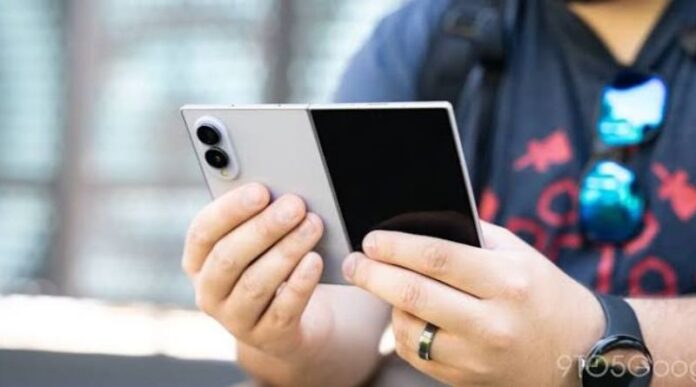

The foldable smartphone market is expected to see strong growth in 2026, as more people show interest in phones with flexible displays. Industry forecasts suggest that shipments of foldable displays could increase by 44% during the year. One of the main reasons behind this growth is the rising popularity of wide foldable phones, which aim to offer a better experience for users who want a larger screen in a pocket-sized device.
Foldable smartphones have become an important part of the mobile phone industry. In the past, most people used traditional smartphones with fixed displays. However, new technology has made it possible to create phones that can fold and unfold according to the user’s needs. These devices combine the portability of a normal smartphone with the larger display of a tablet.
Although foldable phones are still more expensive than many regular smartphones, improvements in their design, display quality, and durability are helping them attract more customers. Phone makers are also introducing new designs to make foldable devices more useful for everyday activities.
The expected 44% increase in foldable display shipments in 2026 highlights the growing interest in this technology. Wide foldable devices could play a major role in this expansion by offering a different design from the foldable phones that are already available in the market.
Foldable Display Shipments Expected to Rise in 2026
The foldable display industry is preparing for another important year in 2026. A predicted 44% rise in shipments would show that demand for flexible display technology is increasing at a strong pace.
Foldable displays are different from the regular screens used in most smartphones. They are designed to bend without breaking under normal use, allowing manufacturers to build devices with screens that can open and close.
This technology has already changed the way smartphone companies design premium devices. Instead of offering only traditional phones, manufacturers can now introduce products that provide a larger working area without requiring users to carry a separate tablet.
The expected rise in shipments also reflects the growing role of foldable displays in the smartphone industry. As manufacturers improve their products and introduce new designs, these devices may become more attractive to people who want something different from a standard smartphone.
However, display shipments do not always mean the same number of finished smartphones will be sold to customers. A display is one of the main parts used to manufacture a device, and shipment figures can reflect the supply chain’s demand for components.
Even so, strong growth in foldable display shipments would indicate that manufacturers are preparing for a larger market and expecting more interest in foldable technology.
Wide Foldable Phones Could Become More Popular
One of the major trends expected to support the foldable display market in 2026 is the growing interest in wide foldable smartphones.
Traditional book-style foldable phones usually have a tall outer screen and open like a book to reveal a larger inner display. While this design provides extra screen space, the shape of the inner display may not always offer the most comfortable experience for every activity.
Wide foldables aim to provide a different approach. Their wider display design can offer more horizontal space when the phone is opened. This can be useful for watching videos, reading documents, viewing pictures, and using two applications at the same time.
For many users, screen shape is just as important as screen size. A larger display is helpful, but its proportions also affect how content appears and how comfortable the device feels during use.
Wide foldable phones could appeal to people who regularly watch videos, read online articles, work with documents, or use their smartphones for productivity.
For example, someone who frequently checks emails and reads documents may find a wider display more comfortable than a narrow screen. Similarly, users who enjoy watching films or online videos may appreciate the extra horizontal space.
These benefits could help wide foldables stand out in a market where manufacturers are competing to offer more useful and attractive designs.
Why Consumers Are Showing Interest in Foldable Smartphones
Several factors could support the growth of foldable smartphones in 2026. One important reason is that users increasingly expect their phones to handle more than basic communication.
Modern smartphones are used for online meetings, video streaming, gaming, social media, photography, document editing, and many other activities. As a result, screen size and usability have become important factors when people choose a new device.
Foldable phones can offer a solution by providing two different screen experiences in one product.
When folded, a device can work like a regular smartphone. Users can make calls, reply to messages, browse websites, and use apps without opening the phone.
When unfolded, the larger screen can provide more room for multitasking and entertainment. This flexibility is one of the main reasons foldable phones are attracting attention.
Another factor is the steady development of foldable technology. Early models faced questions about durability, screen creases, thickness, and battery life. Although these concerns have not disappeared completely, manufacturers continue to improve their designs.
Better hinges, improved flexible panels, and slimmer bodies can make newer devices easier to carry and use.
As these improvements continue, consumers may become more comfortable with the idea of buying a foldable smartphone instead of a traditional premium phone.
Better Displays Could Improve the User Experience
The display is one of the most important parts of any foldable smartphone. Since users interact with the screen throughout the day, its quality can have a major effect on the overall experience.
Manufacturers are working to improve several aspects of foldable displays, including brightness, colour quality, touch response, power use, and durability.
A good display should remain clear in different lighting conditions and provide comfortable viewing for long periods. It should also respond quickly when users tap, swipe, or type.
For foldable devices, the screen must meet these requirements while also supporting repeated folding and unfolding.
Flexible display technology is more complex than the technology used in ordinary smartphone screens. The materials and construction must allow the display to bend while protecting its internal layers.
The hinge and supporting structure are also important because they help the device open and close properly.
As display technology improves, manufacturers may be able to introduce wider foldable phones that are thinner, lighter, and more comfortable to use.
These improvements could help attract customers who have avoided foldable phones because of concerns about their design or reliability.
Foldable Phones Could Offer More Benefits for Work and Entertainment
Wide foldable smartphones are not only designed to look different. Their larger inner displays could also make them more practical for daily tasks.
For people who use their phones for work, a wider screen can provide more space for reading emails, checking spreadsheets, editing documents, and attending online meetings.
Some foldable devices also support multitasking features that allow users to open multiple apps at once. For example, a user may be able to read a document while keeping a messaging application open on the side.
This can reduce the need to switch between apps repeatedly.
Entertainment is another area where foldable phones could offer benefits. A larger screen provides more room for videos, mobile games, digital books, and photos.
Students may also find these devices useful for online learning, reading study materials, and taking notes. However, the benefits depend on the phone’s software, screen size, and app support.
The wider display design could make these activities more comfortable, especially for people who spend a lot of time using their smartphones.
Still, not every user needs a foldable phone. People who mainly use their devices for calls, messaging, and basic browsing may find a regular smartphone more affordable and practical.
Smartphone Brands Are Competing to Improve Foldable Designs
The expected growth in foldable display shipments could encourage smartphone manufacturers to invest further in flexible screen technology.
Competition is important in the smartphone market because it pushes companies to improve their products and introduce new features.
Manufacturers may focus on making foldable phones slimmer, lighter, stronger, and easier to use with one hand. They may also work to improve battery performance, camera quality, software support, and hinge design.
Pricing will remain another important factor.
Foldable smartphones generally sit in the premium category, making them less affordable than many regular Android phones. If manufacturers can reduce production costs over time, they may have more room to introduce products at different price levels.
However, lower prices are not guaranteed. Flexible displays, advanced hinges, and other specialised parts can make these devices expensive to produce.
Companies will also need to ensure that their foldable phones offer clear benefits over traditional smartphones. A new design alone may not be enough to convince buyers to spend more money.
Wide foldables could help manufacturers offer a more noticeable difference by focusing on screen shape and practical use.
Challenges That Could Affect Market Growth
Despite the positive outlook, the foldable smartphone market still faces several challenges.
The first is price. Many consumers prefer smartphones that offer good performance at a reasonable cost. Premium foldable devices may remain outside the budget of buyers who do not want to spend extra money on a larger screen.
Durability is another concern. Although foldable displays are designed for repeated use, customers may still worry about screen damage, hinge problems, dust, and repair costs.
Manufacturers need to address these concerns to build trust among buyers who are considering a foldable device for the first time.
Battery life can also be important. Larger displays and powerful hardware may require more energy, depending on the device and how it is used. Companies must balance screen size, performance, and battery capacity without making the phone too heavy or thick.
Software support is equally important. Apps should work properly when users switch between the folded and unfolded modes. They should also make good use of the additional screen space.
If apps are not well optimised, users may not receive the full benefit of a wider display.
Finally, customer demand will determine whether foldable phones can maintain their expected growth. Forecasts show what the market may achieve, but actual results can change because of pricing, competition, supply issues, and consumer preferences.
What the Expected Growth Means for Pakistan
The expected increase in foldable display shipments could also be important for smartphone buyers in Pakistan.
The local market includes consumers who want affordable smartphones as well as those who are willing to spend more on premium devices. Foldable phones mainly target the premium segment, but their growing popularity could increase interest in flexible display technology.
If international smartphone brands introduce more wide foldable models, Pakistani consumers may get more options to consider.
However, the local price of a foldable phone depends on several factors, including its international launch price, taxes, import costs, exchange rates, and official availability.
For this reason, a phone that is reasonably priced in another market may still be expensive in Pakistan.
Buyers should also check whether a device has official local support, warranty coverage, and access to repair services before purchasing it.
Anyone considering a foldable phone should compare its price with that of a traditional flagship smartphone. The wider display may be useful for productivity and entertainment, but it is important to decide whether those benefits justify the extra cost.
At present, the expected 44% growth in foldable display shipments should not be treated as a guarantee that foldable phones will become affordable in Pakistan during 2026. Local prices and availability will depend on individual brands and market conditions.
Will Wide Foldables Replace Traditional Smartphones?
Wide foldable smartphones may become more popular, but they are unlikely to replace traditional smartphones completely in the near future.
Regular smartphones continue to offer several advantages. They are often cheaper, have familiar designs, and can provide excellent battery life, cameras, and performance without the added complexity of a folding screen.
For many people, a traditional phone already meets their daily needs.
Foldable phones, on the other hand, are aimed at users who want a larger display without carrying a separate tablet. They may be particularly attractive to professionals, content viewers, students, and technology enthusiasts.
Wide foldables could strengthen this appeal by offering a screen shape that better suits certain tasks.
The future of the market will depend on how well manufacturers balance price, durability, performance, and ease of use.
If companies continue to improve these areas, foldable smartphones could become a more common choice among premium phone buyers.
Conclusion
The foldable display market is expected to record strong growth in 2026, with shipments forecast to increase by 44%. The growing interest in wide foldable smartphones is one of the key trends that could support this expansion.
These devices aim to provide a more useful screen shape for activities such as video streaming, reading, multitasking, and working with documents. At the same time, improvements in flexible display technology may help manufacturers develop thinner and more practical devices.
However, high prices, durability concerns, battery life, and software support remain important challenges. Manufacturers will need to address these issues if they want foldable smartphones to attract a wider audience.
For now, wide foldables represent an important development in smartphone design. If the expected growth continues, 2026 could become a significant year for flexible display technology and the companies producing it.
Read Also: check