

Islamabad (Special Reporter): Former chairman of the Pakistan Association of Automotive Parts and Accessories Manufacturers (PAAPAM), Aamir Allawala, has called for government intervention over the new auto policy, warning that changes to import tariffs and incentives could undermine domestic parts manufacturing and put employment at risk.
Allawala said the industry had already written to the government to convey its concerns. He said its priority was to protect local investment, component manufacturing businesses and the livelihoods of workers and families dependent on the sector.
According to PAAPAM estimates, around 1,200 domestic component manufacturers employ approximately 300,000 people directly, with another 1.5 million people indirectly linked to the industry. The association fears that lower import barriers could encourage vehicle assemblers to source more components from overseas partners instead of Pakistani vendors.
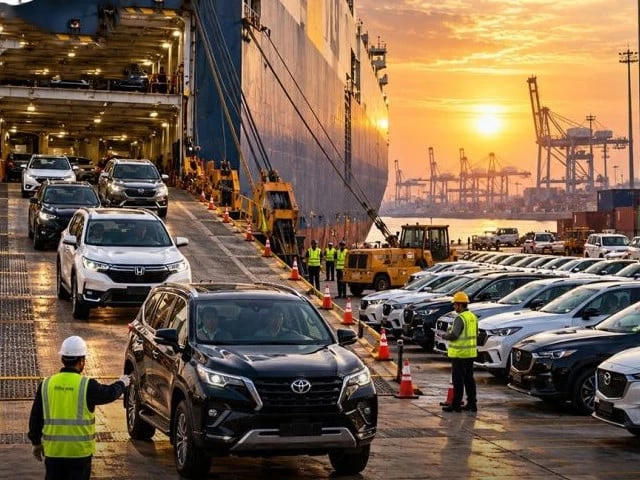
Industry representatives say localisation has reached around 50 to 65 percent in several locally assembled models. They warn that increased imports of completely built-up vehicles and complete CKD kits could reverse some of that progress, increase demand for foreign exchange and affect government tax receipts.
PAAPAM also questions preferential tax treatment for certain electric vehicles and the facilitation of used-car commercial imports. It estimates that tax reductions may bring vehicle prices down by roughly five to seven percent, but argues that potential gains for buyers should be weighed against employment and industrial consequences.
The association says the final policy differs from proposals discussed with the Ministry of Industries and Production through June 2026 and that domestic parts manufacturers have not received adequate safeguards.
Allawala said the industry was continuing its efforts to persuade the government to reconsider the disputed provisions so that domestic production, investment and employment could be preserved.
The government has presented the policy as a way to make vehicles more affordable, improve competition, encourage electric mobility and boost exports. The industry’s concerns therefore raise a central question: how to balance consumer benefits with sustainable local manufacturing and foreign exchange requirements.