
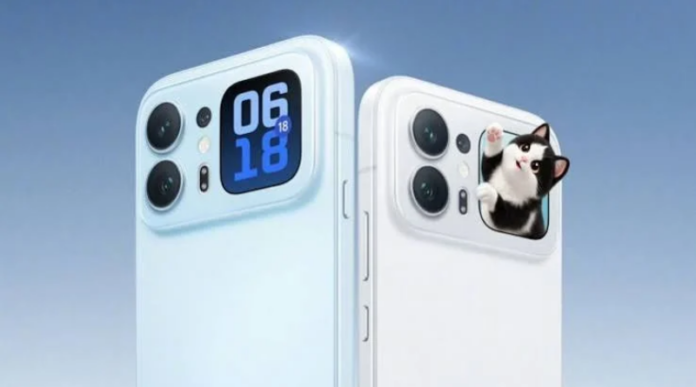

Samsung is reportedly working on a new smartphone concept that could bring a fresh change to the mobile phone market. The South Korean technology company is exploring a vertically expandable smartphone with a unique display design. Unlike traditional smartphones, which come with a fixed screen size, this new device could offer users the ability to expand the display when they need more screen space.
Although foldable smartphones have already introduced a new way of using mobile devices, Samsung may be planning to take this technology in another direction. Instead of simply folding the screen in half, the company could develop a phone with a display that expands vertically. This design may allow users to enjoy a normal-sized smartphone during everyday use and a taller screen whenever they need extra space.
The idea sounds interesting because smartphone users are always looking for better displays, improved multitasking features, and more comfortable ways to use their devices. If Samsung successfully develops this technology, it could introduce a new category of smartphones in the coming years.
However, the device is still at the development or concept stage, and there is no confirmed information about its official name, specifications, price, or launch date.
Samsung Is Exploring a New Smartphone Display Design
Samsung has been one of the leading companies in the development of foldable smartphone technology. Its Galaxy Z Fold and Galaxy Z Flip series have helped make foldable phones more popular among consumers.
Now, the company could be exploring another way to improve smartphone displays. The reported vertically expandable design would focus on increasing the height of the screen instead of making the device wider.
This approach could offer a different experience compared to existing foldable phones. A traditional smartphone has a display with a fixed size, meaning users must work with the screen area available to them. A vertically expandable device could provide additional screen space when required.
For example, users could keep the phone in its compact form while making calls, checking notifications, or sending messages. When they want to watch videos, read long articles, browse websites, or use multiple apps, they could expand the display to get a taller viewing area.
Such a design could make smartphones more flexible without requiring users to carry a large device all the time.
How Could a Vertically Expandable Smartphone Work?
The biggest question about this reported Samsung device is how its expandable display will actually work.
One possible approach could involve a flexible OLED panel that extends from inside the phone’s body. When users activate the expansion feature, an internal mechanism could move part of the display outward or upward, increasing the available screen area.
This would be different from a conventional foldable phone, where the display bends around a hinge. An expandable smartphone would need a special internal system that allows the screen to move smoothly while maintaining its quality.
Samsung Display has already worked on different flexible and innovative screen technologies. The company has demonstrated several experimental display concepts over the years, including foldable, rollable, and sliding screens.
These developments show that Samsung is interested in finding new ways to change the shape and size of smartphone displays.
However, creating a commercial smartphone with a vertically expandable screen would not be an easy task. Samsung would need to make sure that the display can expand and return to its original size without developing problems.
The internal mechanism would also need to be strong enough to handle regular use.
A Different Approach Compared to Galaxy Z Fold Phones
Samsung’s Galaxy Z Fold smartphones are designed to provide users with a phone and tablet-like experience in one device. When closed, they work like regular smartphones. When opened, users get access to a much larger display.
The reported vertically expandable phone could offer a different solution.
Instead of opening like a book, the device could increase its screen height. This could make it more suitable for people who prefer using their phones with one hand but still want additional display space when needed.
For instance, someone reading an online article could expand the screen to see more text without scrolling frequently. Similarly, users watching videos might benefit from a larger viewing area.
The design could also help improve the experience of social media applications, where users spend a lot of time scrolling through pictures, videos, and posts.
Another possible advantage is portability. A vertically expandable phone could remain relatively compact when its display is not extended.
This could make it an interesting option for consumers who like innovative smartphone designs but do not want to carry a large foldable device.
The Display Could Be the Biggest Highlight
If Samsung brings this smartphone to the market, its display will likely be its most important feature.
The company is already known for producing high-quality AMOLED and OLED screens. Its flagship smartphones offer bright colours, deep blacks, smooth scrolling, and high refresh rates.
A vertically expandable smartphone could use a similar display technology with additional flexibility.
A flexible OLED panel would be a possible choice because it can support different shapes and movement patterns. However, the exact display technology has not been officially confirmed.
The larger screen area could offer several benefits, including:
- More space for reading articles and documents.
- A better experience when watching videos.
- More room for browsing websites.
- Improved viewing space for social media applications.
- Easier multitasking between different applications.
- Better use of certain productivity tools.
The extra screen height could also make some apps more comfortable to use. For example, users could see more information on their screens without constantly moving between different pages.
However, the actual benefits would depend on the final screen size, software support, and how Samsung designs the expansion system.
Could It Improve Multitasking?
Multitasking is another area where this smartphone concept could become useful.
Modern smartphones allow users to open multiple applications, switch between tasks, and use split-screen features. However, the experience can sometimes feel limited because of the available screen space.
An expandable display could provide additional room for these activities.
For example, users might be able to read a document while keeping a messaging application open. They could also browse the internet while checking information from another app.
Students could use the extra display area for reading study material, reviewing notes, and watching educational videos.
Office workers might find the larger screen useful for checking emails, viewing documents, and managing daily tasks.
It could also be helpful for people who regularly use their smartphones for online work.
Still, a larger screen alone would not guarantee a better multitasking experience. Samsung would need to update its software so applications can adjust automatically when the display expands.
Without proper software support, the additional screen area may not provide enough practical benefits.
Samsung May Need to Solve Several Technical Challenges
Although the idea of a vertically expandable smartphone sounds exciting, Samsung would need to overcome several technical problems before launching such a device.
The first challenge would be durability.
A smartphone display is used many times throughout the day. If the screen expands and contracts regularly, its moving parts must remain reliable for a long period.
Samsung would need to test the mechanism carefully to make sure it can handle repeated movements without affecting the display.
The second challenge would be screen protection.
Flexible displays require special protection because they cannot always use the same materials as traditional smartphone screens. Samsung would need to find a solution that protects the expandable section from scratches, dust, and accidental damage.
Dust protection could be especially important because an expandable design may include moving parts or openings where small particles could enter.
Another challenge would be battery life.
A larger display can consume more power, particularly when users increase brightness or run demanding applications. Samsung would need to balance battery capacity and power efficiency to provide a reliable experience.
The company would also need to make sure that the phone remains slim and comfortable to hold.
Adding an expansion mechanism could increase the device’s thickness and weight. If the final product becomes too heavy, some users may prefer a regular smartphone instead.
Battery and Performance Will Also Matter
Apart from its display, the phone’s performance will play an important role in its success.
Consumers buying an innovative smartphone will expect smooth performance, fast app loading, and reliable daily use.
Samsung could potentially equip the device with a high-end processor, depending on its final market position. However, there is currently no confirmed information about its chipset.
A powerful processor would help users manage demanding applications, multitasking, gaming, and other activities.
Battery capacity will also be important.
The phone may need a larger battery to support its expandable display and internal mechanism. At the same time, Samsung would need to keep the device’s overall size under control.
Fast charging could also make the device more practical, allowing users to recharge the battery without spending too much time connected to a charger.
Other expected features could include modern connectivity options, quality cameras, an in-display fingerprint sensor, and Samsung’s latest software.
These are possible features rather than confirmed specifications.
What Could Be the Role of AI Features?
Artificial intelligence has become an important part of modern smartphones. Samsung has already introduced several AI-powered features across its Galaxy devices.
A future expandable smartphone could also benefit from these tools.
For example, AI could help applications adjust their layouts automatically when the screen changes size. It could also improve multitasking by suggesting useful ways to arrange apps on the larger display.
Users might be able to expand the screen while reading an article and use AI tools to summarise the content. Similarly, AI-powered translation and writing tools could become more comfortable to use with additional screen space.
Samsung could also introduce smart display controls that allow users to decide when the screen should expand.
These features could make the device easier to operate and help people get more value from its unusual design.
However, there is no official information about which AI features Samsung may include in this reported smartphone.
Could It Become a New Smartphone Trend?
The smartphone industry is constantly looking for new designs that can attract consumers.
For many years, most smartphones followed almost the same design. Companies mainly focused on improving cameras, processors, batteries, and display quality.
Foldable smartphones introduced a major design change, but they are still not suitable for every consumer because of their higher prices and different form factors.
A vertically expandable phone could become another option for people who want something different.
It may offer a middle ground between a regular smartphone and a larger foldable device. Users could enjoy a compact phone during normal activities and access a bigger display when necessary.
However, its success would depend on practical benefits rather than just an unusual design.
Consumers will want to know whether the expandable screen is durable, whether the phone is comfortable to hold, and whether the extra display space makes everyday tasks easier.
Price will also play an important role. If Samsung launches the device at a very high price, it may initially attract only technology enthusiasts and early buyers.
Samsung’s Experience With Experimental Displays
Samsung has a long history of working on new display technologies.
The company has introduced several flexible display concepts through its display division. These technologies have helped shape the development of modern foldable smartphones.
Its Galaxy Z Fold and Galaxy Z Flip products are examples of how experimental screen technology can eventually become part of commercial devices.
The company has also shown different concepts that explore how displays can slide, roll, or change their shape.
These experiments are important because they allow Samsung to test new ideas before deciding whether they are suitable for mass production.
A vertically expandable smartphone could be another step in this development process.
However, showing a working display concept and launching a complete smartphone are two different things. A commercial device needs a reliable design, suitable software, strong battery performance, and a reasonable production cost.
Samsung would need to consider all these factors before bringing such a phone to consumers.
Expected Launch Date and Price
At the moment, Samsung has not officially announced a launch date for its reported vertically expandable smartphone.
There is also no confirmed information about its expected price, availability, model name, or complete specifications.
The company may still be exploring the technology and testing different design options.
If development moves forward, the device could become part of Samsung’s future smartphone plans. However, it is too early to predict when consumers will be able to purchase it.
The final price would likely depend on the display technology, internal mechanism, hardware specifications, and production costs.
Expandable display technology could be expensive during its early stages, which may make the first commercial model a premium product.
For now, smartphone buyers should treat the device as a reported concept rather than an officially announced Samsung product.
Final Thoughts
Samsung’s reported vertically expandable smartphone could bring an interesting change to the smartphone market. Instead of following the traditional foldable design, the company may be exploring a device that increases its display height whenever users need more screen space.
This approach could offer several advantages, including better reading, improved video viewing, more room for multitasking, and a flexible user experience.
However, Samsung would need to solve important challenges related to screen durability, dust protection, battery life, thickness, and production costs.
The software experience would also need to be carefully designed to make full use of the expandable display.
There is still no official confirmation about the phone’s launch date or specifications. Nevertheless, the idea shows how smartphone designs could continue to change in the coming years.
If Samsung manages to turn this concept into a reliable commercial product, it could offer consumers another interesting choice beyond traditional and foldable smartphones.
Frequently Asked Questions (FAQs)
1. Is Samsung developing a vertically expandable smartphone?
Reports suggest that Samsung is exploring a smartphone with a vertically expandable display. However, the company has not officially confirmed a commercial product.
2. What is a vertically expandable smartphone?
It is a smartphone concept in which the display can increase its height when users need additional screen space.
3. How will Samsung’s expandable phone be different from Galaxy Z Fold?
The Galaxy Z Fold opens like a book to provide a larger display. A vertically expandable phone could increase its screen height without using the same book-style folding design.
4. What are the main benefits of an expandable display?
It could offer more space for reading, watching videos, browsing websites, using social media, and managing multiple applications.
5. Will Samsung’s expandable smartphone support multitasking?
It could offer a better multitasking experience, but the actual features will depend on Samsung’s software and the final display design.
6. What display technology could Samsung use?
A flexible OLED display could be a possible option because it supports flexible screen designs. However, the exact technology has not been confirmed.
7. Will the expandable Samsung phone have a large battery?
There are no confirmed battery details. However, Samsung would need to provide enough battery capacity to support the display and other hardware.
8. When will Samsung launch its vertically expandable smartphone?
Samsung has not announced an official launch date. The device is still being discussed as a reported concept or development project.
9. How much will Samsung’s expandable smartphone cost?
Its price has not been revealed. If launched, advanced display technology could make it a premium smartphone.
10. Could expandable smartphones replace foldable phones?
They could become another option in the future, but it is too early to say whether they will replace foldable devices. Their success will depend on price, durability, and everyday usefulness.
Read Also: check