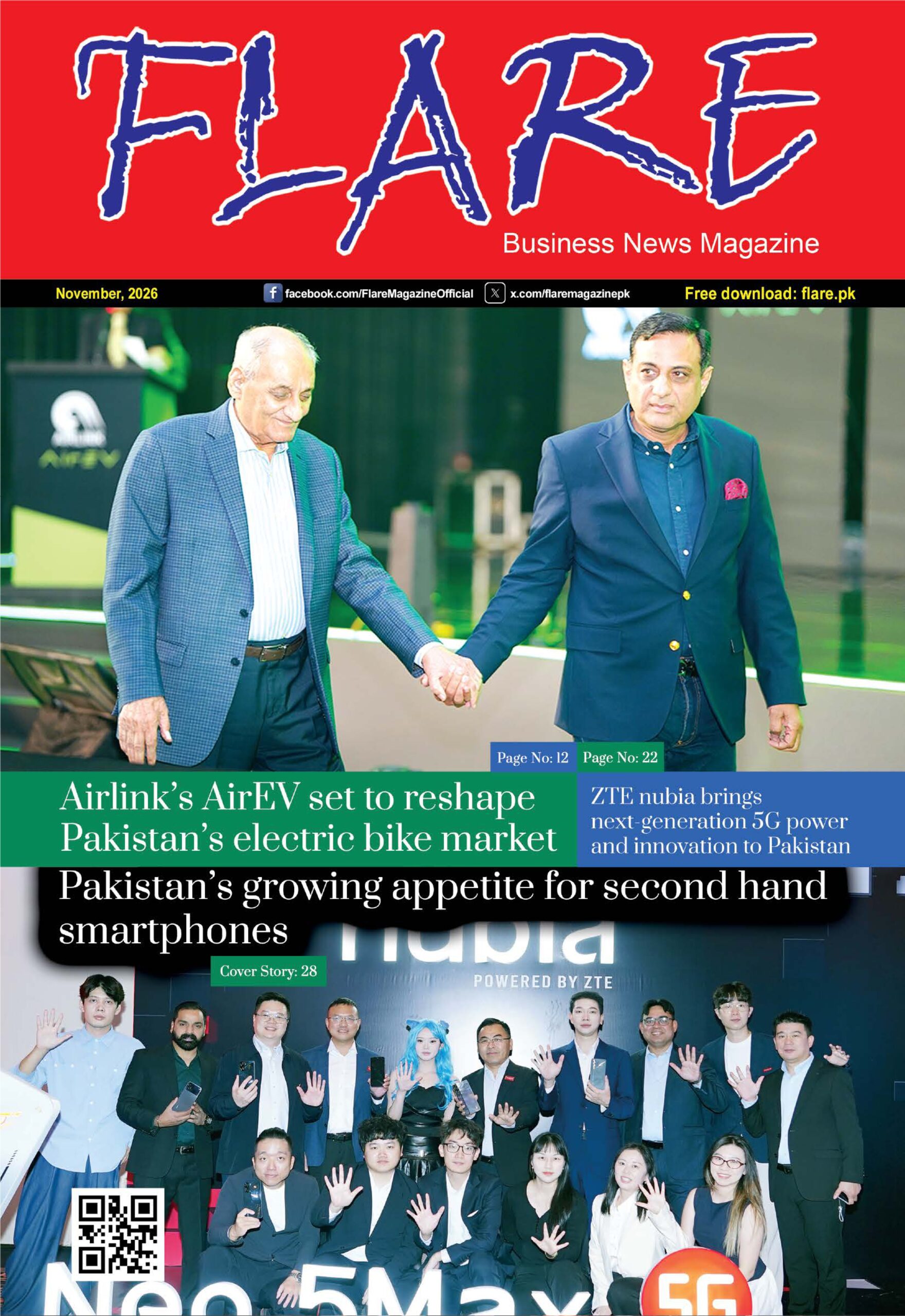

The smartphone market in Pakistan is experiencing a significant transition, with an increasing number of consumers opting for second-hand devices as a strategy to avoid the escalating prices of new phones. In September 2026, over 100,000 used smartphones were imported through legitimate channels, which is nearly four and a half times higher than the imports of new, fully assembled devices. Nevertheless, the total expenditure for these used phones was approximately $5.4 million less than that for the new models.
These statistics reflect a notable consumer trend: previously owned premium smartphones often provide superior features at a cost that outstrips that of a new entry-level model.
Additionally, Apple’s recorded smartphone market share grew from 4.3% in August to 10% in October, narrowing the gap to Vivo by 4,696 units. It is important to note that these figures relate to all iPhones, and the specific breakdown between new and used phones for October is not available.
Dealers, distributors, and manufacturers attribute this rising demand for second-hand smartphones largely to the steep prices of new devices. They also highlight the potential for undeclared imports into Pakistan, especially those coming from Dubai.
While documented import numbers and specific smuggling incidents reveal some scope of this activity, the overall volume of undeclared phones entering the nation remains uncertain.
Pakistan imported more than 100,000 used smartphones through documented channels in September 2026, nearly four and a half times the number of new, fully built handsets. Yet the total bill for used phones was around $5.4 million lower than that for the much smaller consignment of new devices. The figures highlight a growing trend: consumers are turning to older premium smartphones because new models have become increasingly expensive.
October provided further evidence of changing buying patterns. According to Customs figures in the Mobile Import Summary supplied to Flare, iPhone imports increased from 40,787 units in August to 63,449 in September and 91,508 in October. This represented a 124.4% increase in two months. Apple’s share of recorded smartphone volume also rose from 4.3% to 10%, bringing it within 4,696 units of Vivo.
Dealers, distributors and manufacturers attribute the growing demand for second-hand phones primarily to the rising cost of new handsets. They also believe that more devices are entering Pakistan undeclared, particularly from Dubai. While documented imports and individual enforcement cases establish that undeclared trading exists, the actual number of such phones reaching the market remains unknown.
Why buyers prefer used phones
For many consumers, the decision comes down to features and affordability. A used premium smartphone may offer a better camera, display and processor than a new entry-level device at a similar price.
Someone running an online business, for example, may prefer an older flagship with a superior camera for photographing products. Another buyer may prioritise a new battery, warranty and after-sales service. The choice depends on the phone’s condition, expected lifespan and the buyer’s needs.
September’s import figures illustrate the price difference. Reporting based on Pakistan Telecommunication Authority data put used smartphone imports at 105,121 units, valued at approximately $14.03 million. In comparison, 23,616 new, fully built smartphones were imported for $19.40 million. The average declared import value was around $133 per used phone, compared with $821 for a new device. Although the consignments included different brands and models, the difference explains why traders can offer older smartphones at substantially lower prices.
Pakistan assembled 628,030 smartphones in September, while 128,737 finished devices were imported. Used phones accounted for 81.7% of finished smartphone imports and 13.9% of the combined recorded volume. Domestic assembly continued to supply most smartphones, but imported used phones increasingly compete with locally assembled new models.
The hidden cost of used phones
Aamir Allawala, senior vice-president of the Pakistan Mobile Phone Manufacturers Association, told this correspondent that the influx of used handsets was putting pressure on locally assembled phones.
He also highlighted the additional costs consumers may face after purchasing second-hand devices. An apparently affordable phone may soon require a replacement battery, while a charger or other repairs can add to the expense. If its useful life is limited, the buyer may have to purchase another handset sooner than expected. Allawala also expressed concern about the electronic waste generated when these devices become unusable.
A July video investigation by a local journalist examined the imported kit-phone market, including overseas sourcing, damaged devices and handsets sold as Dubai pieces. It highlighted concerns about replacement screens, battery-health readings and verbal checking warranties.
These issues make it difficult for buyers to establish a phone’s actual condition. Two outwardly identical devices may have very different repair histories. While specifications can easily be compared, determining who replaced a screen or will honour a warranty is much harder.
Reputable second-hand dealers could build consumer confidence by providing written assessments of a phone’s condition, repair history and warranty. Local manufacturers, meanwhile, need to demonstrate the value of their warranties and after-sales services. Buyers should be able to compare the full cost and benefits of both options.
iPhone imports surge as brands compete
Apple recorded the most striking growth among premium brands, but Infinix remained the leading brand by volume in October, with 178,503 units.
itel registered the largest numerical increase over September, adding 65,510 units following an unusually low month. TECNO recorded the biggest decline, falling by 52,011 units. Google’s imports also decreased by 12,471 units in October after rising in September.
The figures demonstrate Apple’s growing presence in Pakistan’s smartphone market. However, they do not establish how many imported iPhones were second-hand, as October’s breakdown between new and used devices was unavailable.
Source: Customs figures identified to Flare in the supplied October Mobile Import Summary. The all-brand total includes locally assembled and imported finished smartphones. It represents recorded volume, not retail sales or second-hand imports alone.
| Brand | August | September | October | October change vs September |
|---|---|---|---|---|
| Infinix | 86,333 | 130,078 | 178,503 | +48,425 |
| Samsung | 130,456 | 105,617 | 101,653 | −3,964 |
| Vivo | 82,000 | 90,506 | 96,204 | +5,698 |
| Apple iPhone | 40,787 | 63,449 | 91,508 | +28,059 |
| itel | 115,500 | 20,002 | 85,512 | +65,510 |
| TECNO | 113,002 | 108,011 | 56,000 | −52,011 |
| SEGO | 71,019 | 50,923 | 52,019 | +1,096 |
| Villaon | 20,006 | 20,009 | 40,004 | +19,995 |
| realme | 78,000 | 27,000 | 39,000 | +12,000 |
| OPPO | 58,200 | 8,800 | 33,000 | +24,200 |
| 31,065 | 44,858 | 32,387 | −12,471 | |
| VGO TEL | 30,004 | 50,014 | 30,009 | −20,005 |
| ZTE | 0 | 8,914 | 29,725 | +20,811 |
| Motorola | 2,637 | 4,676 | 13,499 | +8,823 |
| Xiaomi | 60,003 | 10,875 | 9,800 | −1,075 |
| D Code | 3,001 | 4,000 | 8,000 | +4,000 |
| Digit 4G | 8,002 | 5,000 | 7,982 | +2,982 |
| Honor | 2,005 | 4,005 | 6,010 | +2,005 |
| Nothing | 674 | 0 | 560 | +560 |
| Nokia | 10,000 | 2 | 4 | +2 |
| M Horse | 0 | 0 | 4 | +4 |
| Remaining brands | 13 | 28 | 0 | −28 |
| All brands | 942,707 | 756,767 | 911,383 | +154,616 |
Smuggling and the enforcement challenge
There is documented evidence of attempts to bring smartphones into Pakistan without declaring them to Customs.
In August 2024, Customs officers at Karachi airport intercepted a passenger arriving from Dubai and recovered 29 iPhones, including iPhone 14 and 15 models. In a separate case reported in 2025, the Federal Investigation Agency arrested a passenger at Sialkot airport over alleged phone trafficking from the United Arab Emirates.
A more serious case emerged in October 2025, when the Federal Board of Revenue (FBR) reported that high-value electronics had been removed from Karachi’s air-cargo facilities without goods declarations or payment of duties and taxes.
Authorities intercepted a consignment worth Rs103 million containing iPhones, laptops, iPads and other electronics. Investigators also linked five consignments from a Dubai-registered company to an estimated Rs384 million in evaded duties and taxes. These figures covered mixed electronic products and cannot be attributed entirely to smartphones. Important questions remain unanswered. How much revenue was recovered? What action was taken against those involved? How many smartphones were seized at airports and cargo terminals during August, September and October 2026? Without comprehensive enforcement data, claims of a recent increase in undeclared phone imports cannot be independently established.
The issue also creates unfair competition for legitimate businesses. A dealer importing used phones commercially must declare their value and pay applicable duties and taxes. A competitor sourcing similar devices through undeclared channels may sell them more cheaply, undercutting compliant dealers and local manufacturers.
Pakistan Customs has issued valuation rules for commercial consignments of old and used mobile phones. Effective implementation can help distinguish legitimate imports from attempts to evade taxes while preserving access to affordable devices.
Finding the right policy balance
Pakistan Customs clarified in July that approximately Rs420 billion of the roughly Rs520 billion recorded under mobile-phone imports in FY2025–26 represented kits for local assembly, not finished foreign phones. Second-hand devices also require clear distinctions between legal imports, undeclared commercial shipments and locally assembled handsets, as each raises different policy and enforcement issues.
Commerce Minister Jam Kamal Khan said in July, during discussions with Samsung, that decisions on commercial imports of used phones should be gradual, evidence-based and consider certified, locally refurbished alternatives.
A local refurbishment industry could provide affordable, tested smartphones with reliable batteries, documented repair histories and warranties, boosting consumer confidence and creating business opportunities. The government should publish monthly figures on local production, legal imports of new and used phones, and Customs enforcement. Clearer retail pricing would also help determine whether consumers choose used devices because new phones are unaffordable or older premium models offer better value.
For buyers, the key questions remain: what can the phone do, how long will it last, and who will honour its warranty?
Pakistan needs affordable smartphone choices without disadvantaging local manufacturers and legitimate businesses. This requires realistic pricing, transparent imports, effective Customs enforcement and confidence in locally refurbished devices.
Cover story by Zubair Kasuri, Flare Magazine, November 2026