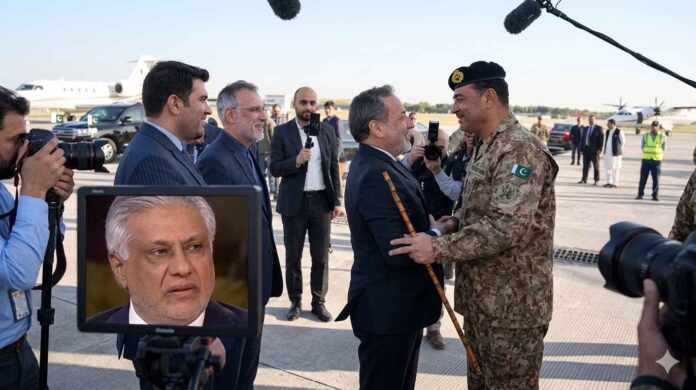

Amid rising tensions linked to the evolving conflict involving the United States, Iran’s Foreign Minister held important diplomatic contact with Pakistan’s top leadership to discuss regional developments and ongoing efforts to maintain stability. The high-level communication reflects the urgency of the situation and the growing importance of coordinated diplomatic engagement among regional players.
The discussion focused on the broader geopolitical landscape, particularly in light of recent developments surrounding ceasefire efforts and attempts to reduce hostilities. As tensions continue to shape the region’s security environment, such engagements underline the critical role of dialogue in preventing escalation and maintaining peace.
High-Level Diplomatic Engagement During Crisis
The recent communication highlights the importance of maintaining open diplomatic channels during periods of uncertainty. With geopolitical tensions intensifying, regional countries are increasingly relying on dialogue and consultation to manage risks and prevent further instability.
The exchange between the two sides provided an opportunity to assess the current situation, share perspectives, and explore potential pathways toward de-escalation. Such discussions are essential in ensuring that all stakeholders remain informed and aligned in their approach to managing the crisis.
Diplomatic engagement at this level also signals a willingness to collaborate in addressing complex challenges, reinforcing the value of communication in international relations.
Focus on Ceasefire Efforts and Stability
A key aspect of the discussion centered on ongoing ceasefire efforts and the broader objective of restoring stability in the region. Both sides emphasized the importance of reducing tensions and preventing the situation from deteriorating further.
Ceasefire initiatives play a crucial role in creating space for dialogue and negotiation. By supporting these efforts, countries can help lay the groundwork for more comprehensive agreements that address underlying issues and promote long-term peace.
The emphasis on stability reflects a shared understanding that sustained peace is essential for economic development, regional cooperation, and overall security.
Pakistan’s Role in Regional Diplomacy
Pakistan has consistently played an active role in facilitating dialogue and promoting diplomatic solutions in the region. Its strategic position and relationships with key stakeholders enable it to act as a bridge in times of conflict.
During the conversation, Pakistan reiterated its commitment to supporting peaceful resolutions through dialogue and engagement. This approach aligns with its broader foreign policy objectives, which prioritize stability, cooperation, and conflict resolution.
By maintaining constructive engagement with all parties, Pakistan continues to contribute to efforts aimed at reducing tensions and fostering mutual understanding.
Importance of Continued Dialogue
One of the central themes of the discussion was the need for sustained dialogue to address ongoing challenges. Both sides acknowledged that complex conflicts cannot be resolved through short-term measures alone and require continuous engagement.
Dialogue serves as a platform for addressing differences, building trust, and finding common ground. In times of heightened tension, maintaining communication becomes even more critical to avoid misunderstandings and prevent escalation.
The commitment to ongoing dialogue reflects a recognition of its importance in achieving lasting solutions and ensuring regional stability.
Recognition of Constructive Diplomatic Efforts
The conversation also included an acknowledgment of Pakistan’s constructive role in facilitating communication and supporting diplomatic initiatives. This recognition highlights the importance of collaborative efforts in addressing regional challenges.
Constructive diplomacy involves not only direct engagement but also the ability to create an environment conducive to dialogue. By promoting open communication and mutual respect, countries can contribute to more effective conflict resolution.
Such recognition reinforces the value of cooperative approaches in managing complex geopolitical issues.
Regional Dynamics and Strategic Considerations
The evolving situation has brought renewed attention to the region’s strategic importance and the need for coordinated responses. Changes in geopolitical dynamics often have far-reaching implications, affecting not only the countries directly involved but also the broader international community.
Understanding these dynamics is essential for developing effective strategies to manage risks and promote stability. The discussion between the two sides provided an opportunity to analyze recent developments and consider their potential impact on the region.
By staying informed and engaged, countries can better navigate the challenges posed by shifting geopolitical conditions.
Commitment to Ongoing Coordination
Both sides agreed to remain in close contact as the situation continues to evolve. This commitment to ongoing coordination ensures that communication channels remain open and that any new developments can be addressed promptly.
Regular engagement allows for timely exchange of information and facilitates coordinated responses to emerging challenges. It also helps build trust and strengthens relationships among stakeholders.
Maintaining close contact is particularly important during periods of uncertainty, as it enables countries to respond effectively to changing circumstances.
Impact on Regional Stability
The outcome of these diplomatic efforts has significant implications for regional stability. Effective communication and collaboration can help prevent escalation, reduce tensions, and create conditions for peaceful resolution.
Stability in the region is essential for economic growth, trade, and overall development. Prolonged conflict or uncertainty can have negative consequences, affecting not only the countries involved but also neighboring regions.
By prioritizing dialogue and cooperation, stakeholders can work toward a more stable and secure environment.
Global Implications of the Conflict
The situation also has broader global implications, as conflicts involving major powers often influence international relations and economic conditions. The interconnected nature of today’s world means that developments in one region can have ripple effects across the globe.
Diplomatic efforts aimed at resolving such conflicts are therefore of global importance. By engaging in dialogue and supporting peaceful solutions, countries contribute to maintaining international stability and cooperation.
The ongoing communication between regional players reflects an understanding of these broader implications and the need for coordinated action.
The Role of Diplomacy in Conflict Resolution
Diplomacy remains one of the most effective tools for resolving conflicts and managing tensions. Through dialogue, negotiation, and cooperation, countries can address differences and find mutually acceptable solutions.
The recent communication underscores the importance of diplomacy in navigating complex situations. It demonstrates how proactive engagement can help mitigate risks and create opportunities for peace.
As the situation continues to evolve, the role of diplomacy will remain central in shaping outcomes and ensuring stability.
Future Outlook and Expectations
Looking ahead, the continuation of diplomatic engagement will be critical in determining the direction of the situation. Sustained efforts to promote dialogue and cooperation can help build momentum toward peaceful resolution.
The commitment to staying in contact and supporting diplomatic initiatives provides a positive foundation for future developments. While challenges remain, the focus on communication and collaboration offers hope for a stable and constructive outcome.
Conclusion
The recent contact between Iran’s Foreign Minister and Pakistan’s leadership highlights the importance of diplomacy in addressing escalating tensions linked to the US conflict. By focusing on dialogue, ceasefire efforts, and regional stability, both sides have demonstrated a commitment to peaceful resolution.
The emphasis on continued engagement and coordination reflects a shared understanding of the complexities involved and the need for sustained efforts to achieve lasting peace. As the situation unfolds, ongoing diplomatic initiatives will play a crucial role in shaping the future of the region and maintaining stability in an increasingly interconnected world.
Read More
Gold Prices Drop for Fifth Straight Day, Approach Rs. 4.8 Lakh in Pakistan