
Pakistan’s Emerging Role in Global Diplomacy
Pakistan has increasingly found itself in the global spotlight for its diplomatic engagement and mediation efforts in complex international conflicts. In recent developments, Islamabad has been widely acknowledged by parts of the international community for its role in facilitating communication between major global powers during heightened tensions.
This recognition reflects a broader perception that Pakistan is gradually strengthening its position as a regional stabilizer and diplomatic bridge in sensitive geopolitical matters. Despite longstanding challenges in its own domestic and regional environment, the country’s involvement in peace-related initiatives has drawn attention from global observers.
The latest diplomatic engagement centered on efforts to bring opposing sides to the negotiating table, aiming to reduce tensions and prevent further escalation in an already volatile international environment.
Ceasefire Efforts Before Formal Negotiations
Before formal talks took place, a significant development occurred in the form of a temporary ceasefire agreement. This short-term arrangement helped prevent immediate escalation and created space for diplomatic engagement.
The ceasefire was seen as a critical intervention at a time when tensions were extremely high and the risk of conflict expansion was widely feared. International observers noted that without this pause, the situation could have deteriorated further.
Pakistan’s role in facilitating communication between the parties involved was viewed as an important contributing factor in achieving this temporary de-escalation. Although the ceasefire was time-bound, it provided a necessary window for dialogue.
High-Stakes Talks Held in Islamabad
Subsequent negotiations were held in Islamabad, bringing together representatives from the concerned parties for extended discussions. These talks lasted several hours and involved multiple rounds of dialogue aimed at narrowing differences and identifying possible areas of agreement.
The discussions were focused on addressing key issues that had contributed to rising tensions, including security concerns, strategic disagreements, and broader regional stability.
While the talks were intensive and closely monitored, they ultimately did not result in a final agreement. However, the willingness of both sides to engage in dialogue was seen as a positive step toward future negotiations.
Breakdown Without Agreement but Continued Dialogue Possibility
Although the negotiations concluded without a formal deal, both parties did not completely abandon the possibility of future engagement. Instead, there remained cautious openness toward continued dialogue.
The issues under discussion were complex and deeply rooted, making immediate resolution difficult. Observers noted that only a limited number of core disagreements remained central to the dispute, suggesting that further negotiations could still yield progress.
The continuation of the ceasefire arrangement, even temporarily, was viewed as a stabilizing factor that helped prevent immediate escalation following the breakdown of talks.
Rising Tensions and Strategic Concerns
Despite diplomatic efforts, tensions remained high during and after the negotiations. Concerns emerged about potential escalation, particularly in relation to strategic waterways and regional security dynamics.
The situation created uncertainty in global markets and diplomatic circles, with fears that renewed hostilities could disrupt trade routes and further destabilize the region.
The complexity of the geopolitical environment meant that even small developments had the potential to trigger wider consequences, increasing the pressure on all involved parties to maintain restraint.
Contrasting Positions of Negotiating Parties
During the discussions, differing positions between the negotiating sides became evident. One side emphasized strict conditions related to security and strategic limitations, while the other side expressed concerns about sovereignty and fairness in the proposed terms.
These differences made it difficult to reach common ground within the available timeframe. Each delegation defended its stance firmly, reflecting the high stakes involved in the negotiations.
The lack of trust between the parties was identified as one of the key obstacles preventing a breakthrough agreement.
Global Reaction and Diplomatic Recognition
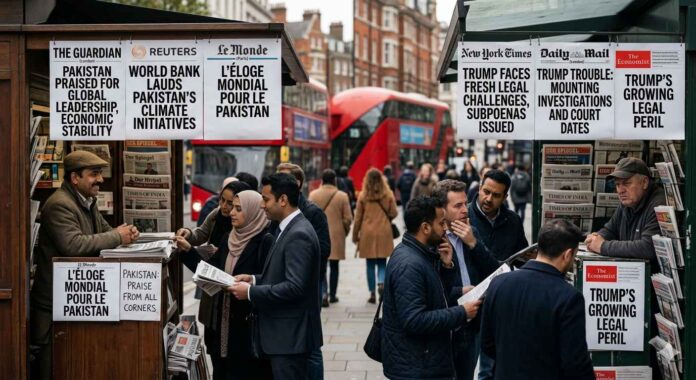
Despite the absence of a final deal, Pakistan’s role in facilitating dialogue and hosting discussions received positive acknowledgment from parts of the international community. Many viewed its involvement as a constructive contribution to global diplomacy.
The effort to bring conflicting parties into a structured negotiation process was seen as a notable achievement, especially given the intensity of the geopolitical tensions at the time.
Pakistan’s diplomatic engagement was also interpreted as part of a broader effort to strengthen its international standing and demonstrate its ability to contribute to peacebuilding initiatives.
Geopolitical Significance of Pakistan’s Role
Pakistan’s involvement in such high-level diplomatic efforts reflects its strategic geographic and political position. Situated at the crossroads of key regional and global interests, the country often finds itself connected to broader international developments.
This positioning allows it to act as a potential intermediary in certain conflicts, although such roles also come with significant diplomatic and political challenges.
Recent developments have reinforced perceptions of Pakistan as an emerging participant in global diplomatic processes, particularly in situations requiring mediation and communication facilitation.
Regional Stability and Broader Implications
The broader implications of these diplomatic efforts extend beyond the immediate parties involved. Regional stability remains a key concern, especially in areas where tensions can quickly escalate into wider conflicts.
Efforts to maintain ceasefires and encourage dialogue are therefore critical in preventing further deterioration of the situation. Even when negotiations do not produce immediate results, they help create channels for communication that can be used in future diplomatic efforts.
The international community continues to emphasize the importance of sustained engagement rather than confrontation, highlighting diplomacy as the preferred path forward.
Economic and Global Security Concerns
Geopolitical tensions also carry significant economic implications. Global trade routes, energy supplies, and financial markets are often sensitive to instability in strategically important regions.
Any escalation in conflict can lead to disruptions in supply chains and increased uncertainty in global markets. This makes diplomatic engagement not only a political priority but also an economic necessity.
The recent developments underscored how closely interconnected global security and economic stability have become in today’s world.
Challenges Facing International Leadership
The situation also reflects broader challenges faced by global leadership in managing complex international crises. Balancing strategic interests, diplomatic relationships, and domestic political pressures is an ongoing difficulty for major powers.
In such environments, achieving consensus becomes increasingly complex, particularly when core security concerns and political expectations diverge significantly.
The inability to reach immediate agreements in high-stakes negotiations highlights the limitations of diplomacy under intense geopolitical pressure.
Importance of Continued Dialogue
Despite setbacks, continued dialogue remains essential for long-term stability. Temporary agreements, such as ceasefires, provide valuable opportunities to reduce tensions and prevent escalation.
Sustained diplomatic engagement allows for gradual progress, even in situations where immediate breakthroughs are not possible.
The willingness of parties to remain open to future discussions is often considered a positive indicator in otherwise difficult negotiations.
Pakistan’s Diplomatic Image on the Global Stage
Pakistan’s involvement in facilitating dialogue has contributed to shaping its international image as an active participant in peace-related initiatives. This perception is strengthened when the country is seen hosting or supporting negotiations aimed at reducing conflict.
Such roles can enhance diplomatic credibility and open doors for greater engagement in international forums.
However, sustaining this role requires consistent diplomatic efforts, neutrality, and the ability to manage complex geopolitical relationships effectively.
Conclusion: Diplomacy Amid Global Tensions
The recent diplomatic developments highlight both the opportunities and challenges present in contemporary international relations. While no final agreement was reached, the process of dialogue itself remains a critical achievement.
Pakistan’s role in facilitating communication and hosting negotiations has drawn international attention, reflecting its growing involvement in regional and global diplomacy.
At the same time, the broader geopolitical landscape remains complex, with unresolved tensions continuing to shape international relations.
Ultimately, the situation underscores the importance of diplomacy, patience, and sustained engagement in addressing global conflicts. Even in the absence of immediate success, the continuation of dialogue provides a foundation for future progress and stability.
Read More
DS Railways Pledges Revival of Key Shorkot Train and Modernisation of Jhang Station