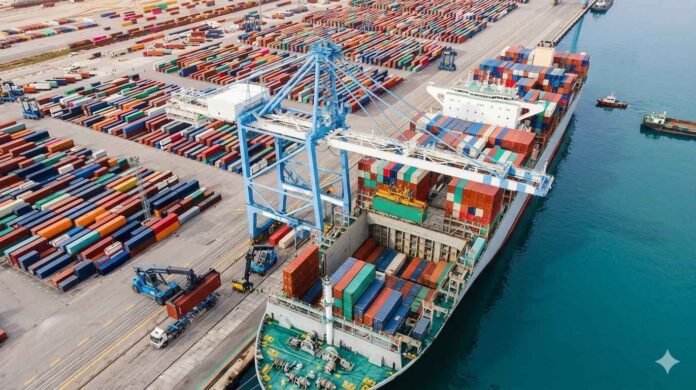

Pakistan has taken a significant step forward in transforming its maritime and logistics landscape with the arrival of its first fully transshipment cargo vessel. This development signals a strategic shift in the country’s role within regional and global trade networks, positioning it as an emerging hub for transshipment operations and diversified cargo handling.
The milestone represents more than just the docking of a vessel. It marks the beginning of a broader transformation in how Pakistan participates in international trade, expands its port capabilities, and leverages changing global shipping dynamics to its advantage.
A New Chapter in Maritime Operations
For decades, Pakistan’s port operations have primarily focused on traditional cargo handling and container-based trade. The arrival of a fully transshipment vessel introduces a new dimension to maritime activity, allowing ports to handle a wider range of cargo types and serve as redistribution points for goods moving between different regions.
This shift reflects a growing recognition of the importance of transshipment in modern logistics. By acting as an intermediary hub, a country can capture additional value from global trade flows, including port fees, logistics services, and related economic activity.
The introduction of full-scale transshipment capabilities demonstrates a strategic move toward modernization and diversification in the maritime sector.
Expanding Beyond Container-Based Trade
One of the most notable aspects of this development is the expansion beyond container-only operations. The transshipment vessel carried a diverse mix of cargo, including general goods, bulk materials, breakbulk items, and vehicles.
This diversification is critical for enhancing the flexibility and resilience of port operations. Handling multiple types of cargo allows ports to serve a broader range of industries and adapt to changing market demands.
It also opens up new revenue streams, as different types of cargo require specialized handling, storage, and transportation services. By expanding capabilities, Pakistan is positioning itself to compete more effectively with established regional hubs.
Strategic Importance of Transshipment
Transshipment plays a vital role in global trade by enabling efficient movement of goods across long distances. Instead of direct shipping between every origin and destination, cargo is often routed through central hubs where it is transferred between vessels.
This system reduces costs, improves efficiency, and allows shipping companies to optimize routes. For countries that serve as transshipment hubs, it creates opportunities to integrate more deeply into global supply chains.
By entering this space, Pakistan is not only enhancing its trade capabilities but also increasing its strategic importance in international logistics networks.
Changing Regional Trade Dynamics
The rise of Pakistan as a transshipment hub is closely linked to shifting regional trade dynamics. Recent geopolitical developments have disrupted traditional shipping routes, prompting companies to seek alternative pathways for moving goods.
As a result, cargo flows have been redirected away from some established hubs and toward emerging ports in the region. This shift has created a window of opportunity for countries like Pakistan to attract transshipment traffic and establish themselves as viable alternatives.
The ability to adapt quickly to these changes has been a key factor in capturing new trade opportunities.
Competitive Positioning Among Regional Ports
Pakistan’s entry into the transshipment market places it in direct competition with other regional ports that have traditionally dominated this space. To succeed, it must offer competitive advantages such as lower costs, efficient operations, and reliable services.
Efforts to reduce port charges and provide incentives have played an important role in attracting shipping lines. These measures make it more economically viable for companies to route cargo through Pakistani ports.
In addition, improvements in infrastructure and operational efficiency are helping to strengthen the country’s competitive position.
Growth in Port Activity and Throughput
The impact of increased transshipment activity is already visible in rising port throughput. Recent months have seen a surge in container handling and cargo movement, reflecting growing interest from global shipping companies.
This increase in activity not only boosts revenue for port authorities but also supports a wide range of related industries, including transportation, warehousing, and logistics services.
Higher throughput also contributes to economies of scale, enabling ports to operate more efficiently and offer better services.
Role of Infrastructure Development
Infrastructure development is a critical factor in supporting the growth of transshipment operations. Modern ports require advanced facilities, equipment, and systems to handle large volumes of cargo efficiently.
Investments in port infrastructure, including berths, cranes, storage areas, and digital systems, are essential for maintaining competitiveness. Improved connectivity with inland transportation networks further enhances the ability to move goods quickly and cost-effectively.
By focusing on infrastructure, Pakistan can ensure that its ports are equipped to handle increasing demand and support long-term growth.
Economic Benefits of Becoming a Trade Hub
The emergence of Pakistan as a transshipment hub offers significant economic benefits. Increased port activity generates revenue through fees and charges, while also creating jobs in various sectors.
The growth of logistics and transportation services can stimulate economic activity and attract investment. In addition, improved trade connectivity can support exports by reducing costs and improving access to international markets.
These benefits contribute to overall economic development and help strengthen the country’s position in the global economy.
Opportunities for Local Businesses
The expansion of transshipment operations creates new opportunities for local businesses. Companies involved in logistics, shipping, and supply chain management can benefit from increased demand for their services.
Small and medium-sized enterprises can also participate in the growing ecosystem by providing support services such as packaging, storage, and transportation.
By integrating into global supply chains, local businesses can expand their reach and improve their competitiveness.
Sustainability and Long-Term Potential
One of the key questions surrounding this development is whether the growth in transshipment activity can be sustained over the long term. While current conditions have created opportunities, maintaining momentum will require continued investment and strategic planning.
Diversifying trade routes and building strong relationships with shipping companies can help ensure steady demand. In addition, maintaining high standards of efficiency and reliability will be essential for retaining customers.
The long-term potential of Pakistan as a transshipment hub depends on its ability to adapt to changing conditions and continuously improve its capabilities.
Integration with Global Supply Chains
Becoming a transshipment hub allows Pakistan to integrate more deeply into global supply chains. This integration enhances the country’s role in international trade and increases its influence in regional logistics networks.
By serving as a key link in the movement of goods, Pakistan can benefit from increased trade flows and stronger economic connections with other countries.
This integration also supports the development of related industries, further strengthening the overall economy.
Future Outlook for Maritime Sector
The arrival of the first transshipment vessel marks the beginning of a new phase in the development of Pakistan’s maritime sector. As the country continues to build on this momentum, it has the potential to become a major player in regional and global trade.
Future growth will depend on a combination of factors, including policy support, investment, and the ability to respond to changing market conditions. By focusing on these areas, Pakistan can capitalize on its strategic location and expand its role in international trade.
Conclusion
The emergence of Pakistan as a transshipment hub represents a significant milestone in its economic and maritime development. The arrival of the first transshipment vessel signals a shift toward greater participation in global trade and a more diversified approach to port operations.
By expanding capabilities, improving infrastructure, and leveraging changing trade dynamics, Pakistan is positioning itself as a competitive player in the region. The potential benefits are substantial, ranging from increased revenue and job creation to stronger integration with global supply chains.
As the country moves forward, the focus will be on sustaining this momentum and building a robust, efficient, and competitive maritime sector that can support long-term economic growth.
Read More
China to Support Pakistan’s Growth in 3 Key Economic Sectors