
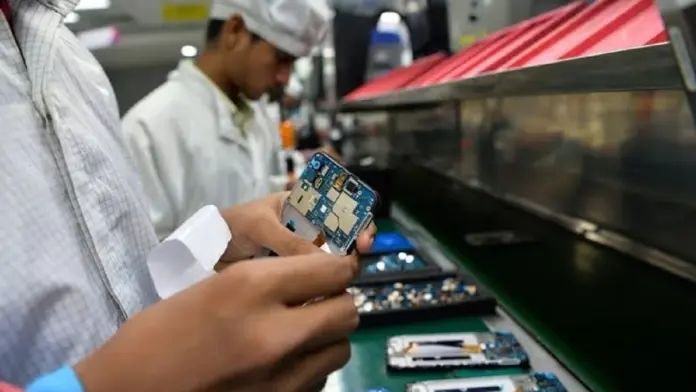

Pakistan’s mobile phone manufacturing industry continues to grow rapidly, showing impressive progress during the first five months of 2026. According to official figures, local mobile phone assembly plants produced more than 11 million mobile phones between January and May 2026. This production level is much higher than the number of mobile phones imported into the country during the same period, highlighting the success of Pakistan’s efforts to strengthen local manufacturing and reduce dependence on foreign products.
The latest statistics reveal that local factories assembled and manufactured a total of 11.17 million mobile phones during the first five months of the year. In comparison, only 1.91 million mobile phones were imported commercially. This means that locally assembled devices supplied the vast majority of mobile phones available in Pakistan, reflecting the growing capabilities of the country’s manufacturing sector.
Strong Growth in Local Mobile Manufacturing
Over the last few years, Pakistan has focused heavily on encouraging local production of mobile phones. The government introduced various policies and incentives aimed at attracting investment in the manufacturing sector. These efforts have helped many local and international companies establish assembly plants within the country.
As a result, local production has increased significantly. The latest figures demonstrate that Pakistan is becoming less dependent on imported mobile phones and more capable of meeting domestic demand through locally assembled devices.
The production of more than 11 million mobile phones in just five months is a major achievement. It reflects the growing strength of Pakistan’s industrial sector and the increasing confidence of manufacturers in the local market.
Smartphones and Feature Phones Continue to See Strong Demand
The official data shows that out of the 11.17 million mobile phones assembled locally during the January-May 2026 period, around 4.92 million were smartphones. The remaining 6.25 million units were 2G feature phones.
This breakdown highlights the diverse needs of Pakistani consumers. While smartphones are becoming increasingly popular due to greater internet access and digital services, many people still rely on affordable feature phones for basic communication needs.
Feature phones remain particularly popular in rural areas and among low-income consumers because they are inexpensive, have long battery life, and are easy to use. At the same time, smartphones continue to attract users who want access to social media, online banking, digital payments, educational content, entertainment platforms, and e-commerce services.
The strong sales of both categories indicate that Pakistan’s mobile phone market is serving a wide range of consumers with different budgets and requirements.
Local Production Dominates the Market
The difference between local production and imports is striking. While local manufacturers produced more than 11 million devices during the first five months of 2026, imports stood at less than 2 million units.
This means that the overwhelming majority of mobile phones available in Pakistan are now assembled within the country. Such a trend represents a significant shift from previous years when imported devices dominated the market.
The growth of local production offers several advantages. It helps reduce pressure on foreign exchange reserves because fewer phones need to be imported. It also creates employment opportunities and encourages investment in supporting industries such as packaging, logistics, distribution, and electronic components.
Remarkable Performance in 2025
The strong results recorded in 2026 build upon the impressive performance seen during 2025. During the entire calendar year 2025, local manufacturing and assembly plants produced approximately 30.21 million mobile phones.
In comparison, only 2.37 million devices were imported commercially during that year. These figures clearly show how rapidly Pakistan’s local mobile phone industry has expanded.
The growth achieved in 2025 established a strong foundation for continued expansion in 2026. Many industry experts believe that local production could continue increasing if current trends remain unchanged.
The success of local assembly plants has also encouraged more brands to manufacture devices in Pakistan rather than importing finished products from abroad. This shift is helping build a stronger industrial base and increasing the country’s technological capabilities.
Progress in 5G Smartphone Production
Another important development highlighted by the latest data is the production of 5G-enabled smartphones. During May 2026, local manufacturers assembled 101,005 5G-capable mobile phones.
Although this figure is lower than the 553,079 5G devices assembled throughout 2025, industry analysts believe demand for advanced smartphones will continue to grow in the coming years.
5G technology offers much faster internet speeds, lower latency, and improved connectivity compared to previous mobile network generations. As telecommunications infrastructure continues to improve and digital services become more widespread, consumers are expected to increasingly adopt 5G-compatible devices.
The production of 5G smartphones within Pakistan is also a positive sign because it demonstrates that local manufacturers are capable of assembling modern and technologically advanced devices.
Smartphone Usage Continues to Rise
Data from the Pakistan Telecommunication Authority (PTA) provides additional insight into changing consumer preferences. According to PTA statistics, smartphones now account for 72.3 percent of all mobile devices operating on Pakistan’s cellular networks.
Meanwhile, 27.7 percent of active devices are still 2G phones.
These numbers show that Pakistan is steadily moving toward greater smartphone adoption. More people are choosing smartphones because they offer access to a wide range of digital services that have become increasingly important in daily life.
From online education and remote work to mobile banking and digital entertainment, smartphones have become essential tools for communication and productivity. As affordable locally assembled smartphones become more readily available, adoption rates are expected to increase even further.
Benefits for Pakistan’s Economy
The growth of the mobile phone manufacturing sector brings several economic benefits for Pakistan.
One of the most significant advantages is job creation. Mobile phone assembly plants require workers for production, quality control, logistics, packaging, administration, and technical support. As production increases, more employment opportunities are created for local workers.
In addition to direct employment, the industry supports numerous related sectors. Transportation companies, suppliers, retailers, distributors, and service providers all benefit from increased manufacturing activity.
The expansion of local production also helps conserve foreign exchange reserves. Importing finished mobile phones requires substantial amounts of foreign currency. By manufacturing devices locally, Pakistan can reduce import expenditures and improve its trade balance.
Furthermore, local production encourages technology transfer and skill development. Workers gain valuable experience in manufacturing processes, quality assurance, and technical operations, helping build a more skilled workforce.
Support for Digital Transformation
The growth of local smartphone manufacturing is playing an important role in Pakistan’s broader digital transformation efforts.
As more affordable smartphones become available, greater numbers of people can access the internet and participate in the digital economy. This supports government initiatives aimed at increasing digital inclusion and improving access to online services.
Smartphones enable users to access educational resources, healthcare information, government services, digital payments, and e-commerce platforms. Increased smartphone penetration can therefore contribute to economic growth and social development.
The availability of locally assembled devices at competitive prices makes technology more accessible to a larger segment of the population. This is especially important in developing regions where affordability remains a key factor in purchasing decisions.
Growing Investor Confidence
The continued expansion of the mobile phone manufacturing industry also reflects growing confidence among investors.
Many companies have invested in assembly plants and manufacturing facilities because they see long-term potential in Pakistan’s market. The country’s large population, increasing smartphone adoption, and supportive government policies make it an attractive destination for investment.
As production volumes continue to increase, manufacturers can benefit from economies of scale, helping reduce costs and improve competitiveness. This could attract even more investment into the sector in the future.
Industry experts believe that continued policy support and stable economic conditions could encourage additional local and international brands to establish manufacturing operations in Pakistan.
Challenges and Future Opportunities
Despite the industry’s impressive growth, several challenges remain. Manufacturers continue to face issues related to import restrictions on components, currency fluctuations, energy costs, and supply chain management.
However, the sector also presents significant opportunities. Rising smartphone demand, expanding digital connectivity, and growing consumer awareness are expected to support future growth.
The eventual expansion of 5G services could create additional demand for advanced smartphones. Meanwhile, increasing internet penetration and digital adoption are likely to encourage more consumers to upgrade from feature phones to smartphones.
If these trends continue, Pakistan’s mobile manufacturing industry could become even more important to the country’s economy over the coming years.
Conclusion
Pakistan’s mobile phone manufacturing sector has achieved another major milestone by producing more than 11.17 million mobile phones during the first five months of 2026. The figure far exceeds the 1.91 million devices imported during the same period, demonstrating the growing strength of local production.
With nearly 5 million smartphones and more than 6 million feature phones assembled locally, manufacturers are successfully meeting the needs of a diverse consumer market. The industry’s continued expansion is creating jobs, reducing dependence on imports, supporting digital transformation, and strengthening Pakistan’s industrial base.
As smartphone adoption continues to rise and investment in local manufacturing increases, Pakistan is steadily establishing itself as an important mobile phone manufacturing hub in the region. The latest figures underline the success of government policies aimed at promoting domestic production and highlight the industry’s growing role in the country’s economic and technological development.


