
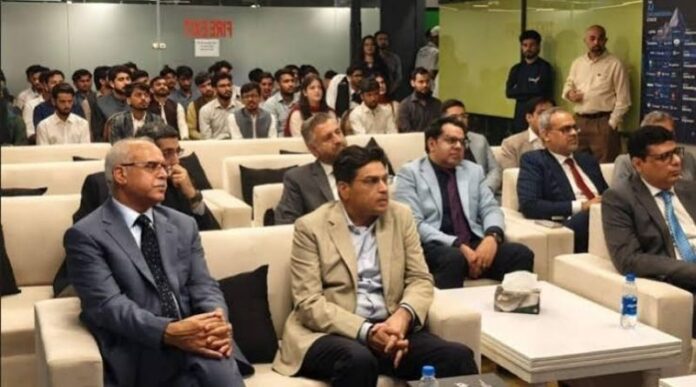

Mari Energies has successfully completed the first cohort of its Digital Bootcamp, with 44 graduates finishing the training programme delivered by xLoop. The initiative was designed to help young people build useful digital skills and prepare them for better opportunities in Pakistan’s growing technology and digital economy.
The completion of Cohort I marks an important step in efforts to support young talent through practical learning. As digital tools continue to become part of almost every field, programmes like this can help students and fresh graduates understand the skills needed in today’s workplace.
The bootcamp focused on giving participants practical knowledge rather than only classroom-based learning. During the programme, the selected graduates were introduced to different areas of digital work and technology. The aim was to improve their confidence, strengthen their skills and help them become more ready for professional life.
Mari Energies Supports Digital Skills Development
Mari Energies has been involved in efforts aimed at supporting education, youth development and skills training. The company’s Digital Bootcamp is part of this wider focus on creating opportunities for young people and helping them prepare for the changing needs of the job market.
Pakistan has a large and growing population of young people. Every year, thousands of students graduate from colleges and universities and start looking for employment. However, academic qualifications alone are often not enough to compete in a modern job market. Employers are increasingly looking for people who have practical digital skills, problem-solving abilities and experience working with modern tools.
This is where training programmes can make a real difference. A structured bootcamp can give young people a chance to learn skills that may not be fully covered in traditional education. It can also help them understand how these skills are used in real work situations.
The first cohort of the Mari Energies Digital Bootcamp brought together 44 graduates who successfully completed the programme. Their graduation is not only a personal achievement but also a sign of the growing interest in digital learning among young Pakistanis.
xLoop Delivers the Digital Bootcamp
The training programme was delivered by xLoop, which worked with the participants throughout the bootcamp. The company played an important role in providing the learning environment and guidance needed for the graduates to complete the programme.
Digital bootcamps are different from many traditional courses because they are usually focused on practical learning. Instead of spending all the time on theory, participants are given opportunities to work on tasks, understand digital tools and develop skills that can be useful in professional settings.
For young graduates, this kind of experience can be valuable. Many students leave university with a degree but limited exposure to real workplace demands. A bootcamp can help close that gap by giving them a better idea of how digital knowledge can be used in actual jobs and projects.
The involvement of xLoop also highlights the role that technology companies and digital education providers can play in preparing the next generation of workers. By working with organisations such as Mari Energies, training providers can help connect education with practical career opportunities.
44 Graduates Reach an Important Milestone
Completing a training programme requires time, effort and commitment. For the 44 graduates of Cohort I, finishing the Digital Bootcamp represents an important achievement.
Each participant had the opportunity to learn, practice and improve during the programme. The experience may help them move forward in different ways, whether they choose to enter the job market, work as freelancers, continue their education or explore entrepreneurship.
For many graduates, digital skills can open doors to career paths that were not easily available in the past. Technology has created new types of work across areas such as online services, software, digital marketing, design, data and remote work.
The graduates of the first cohort now have a stronger base from which to build their careers. Their training can help them better understand the digital world and make more informed decisions about their professional future.
Why Digital Skills Matter in Pakistan
The need for digital skills is growing quickly in Pakistan. Businesses are using more online systems, digital payments, cloud platforms, social media and technology-based services. At the same time, remote work and freelancing have created new ways for skilled people to earn money.
Pakistan has already developed a large community of freelancers and technology workers. However, many young people still struggle to access quality training and practical experience.
This is why programmes like the Mari Energies Digital Bootcamp can be useful. They provide participants with an opportunity to learn in a more focused and structured way.
Digital learning is also important because technology changes very quickly. Skills that were highly valuable a few years ago may now need to be updated. Young workers need to continue learning throughout their careers so they can keep up with new tools and changing market needs.
Training programmes can help develop this learning mindset. Participants not only learn specific digital skills but can also gain confidence in learning new technologies on their own.
Building Better Career Opportunities
One of the main benefits of digital training is the possibility of better career opportunities. Companies across many industries now need workers who understand technology and can use digital tools effectively.
A graduate with additional practical training may have an advantage when applying for jobs. Employers often prefer candidates who can demonstrate what they know rather than those who only hold academic certificates.
The bootcamp experience may therefore prove useful for the 44 graduates as they take their next career steps. They can use what they learned to improve their CVs, prepare for interviews and build practical projects that show their abilities.
Digital skills can also support people who want to work independently. Freelancing is becoming a popular option for young Pakistanis, especially those who want to work with local and international clients from home.
By learning marketable digital skills, graduates may be able to explore different income opportunities. They can work for companies, offer services online or develop their own digital businesses.
The Importance of Practical Learning
Traditional education remains important, but practical training has become equally valuable in many technology-related fields. Students may understand basic concepts in classrooms, but real projects can help them develop a deeper understanding of how those concepts work.
Bootcamps often give students a chance to learn through practice. They may solve problems, work with digital tools, complete assignments and take part in activities designed around real-world needs.
This kind of learning can also improve soft skills. Participants may become better at communication, teamwork, time management and problem-solving while working with others.
For fresh graduates, these skills can be just as important as technical knowledge. A person may have strong digital abilities, but they also need to know how to communicate with colleagues, meet deadlines and handle workplace responsibilities.
The successful completion of Cohort I suggests that the programme provided its participants with a structured path to develop these skills.
Supporting Pakistan’s Young Workforce
Pakistan’s young population can be a major strength for the country’s economy. However, this advantage can only be fully used when young people have access to education, training and employment opportunities.
Many graduates face difficulties when entering the job market. There can be a gap between what is taught in educational institutions and what companies expect from new employees.
Digital bootcamps can help reduce this gap. By focusing on useful and practical skills, they can prepare young people for jobs that are becoming more common in today’s economy.
The Mari Energies initiative is therefore important not only for the 44 graduates but also for the wider idea of youth development. Programmes like this can help build a stronger workforce and encourage more young people to explore careers in technology and digital services.
A Positive Start with Cohort I
As the first cohort of the programme, Cohort I provides an important starting point for future bootcamp activities. The completion of the first group creates a foundation that can potentially be used to improve and expand similar training efforts.
The success of the programme may also encourage more businesses to invest in digital learning and youth development. The private sector can play an important role in preparing young people for jobs by supporting training programmes, internships and practical learning opportunities.
Businesses benefit as well when the workforce becomes more skilled. Companies need workers who can understand new technologies, solve problems and adapt to changing market conditions.
By supporting digital education, organisations can contribute to both their own future talent needs and the broader development of Pakistan’s digital economy.
Digital Training Can Create Long-Term Benefits
The benefits of a bootcamp do not necessarily end when the programme is completed. The real value comes when graduates continue to use and improve the skills they learned.
The 44 graduates can now take the next step by applying their knowledge in jobs, projects, freelance work or further studies. Their progress after the bootcamp will depend on how they use the opportunities available to them and how much they continue learning.
Technology is a field where regular learning is especially important. New software, platforms and work methods appear all the time. Graduates who stay active and continue improving their skills can increase their chances of long-term success.
The bootcamp may also help participants build professional networks. Meeting trainers, fellow participants and people connected to the programme can lead to future opportunities and useful contacts.
A Step Toward a Stronger Digital Pakistan
The completion of Mari Energies’ first Digital Bootcamp cohort is a positive development at a time when digital skills are becoming more important across Pakistan.
Forty-four graduates have now completed a focused learning programme delivered by xLoop and can move forward with greater knowledge and experience. Their achievement shows the value of giving young people access to practical training that connects education with the needs of the modern workplace.
Pakistan’s digital future will depend heavily on its young workforce. The country has a large number of talented and ambitious graduates, but they need the right skills and opportunities to succeed.
Initiatives like the Mari Energies Digital Bootcamp can help provide that support. By combining training, practical learning and career preparation, such programmes can give young people a stronger starting point.
The successful completion of Cohort I is therefore more than a graduation milestone. It represents an investment in young talent and in the future of Pakistan’s digital economy. As the 44 graduates begin the next stage of their careers, their newly developed skills may help them find better opportunities, contribute to businesses and become part of the country’s growing digital workforce.
The programme also sends a wider message: when young people are given the right training, guidance and access to modern skills, they can become better prepared to meet the demands of a changing world. With continued support from companies, educators and technology organisations, similar programmes can help more Pakistani graduates build successful careers in the years ahead.
Read Also: check


