
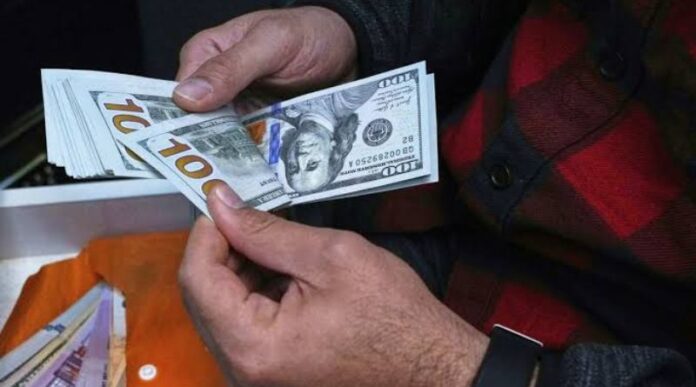

The Iranian rial has fallen to another record low against the US dollar, putting further pressure on Iran’s economy and increasing concerns about the financial situation in the country. The latest decline has made it harder for businesses and ordinary people to manage rising costs, especially as many goods in Iran are linked directly or indirectly to foreign currencies.
The fall in the value of the rial is not a new problem for Iran. The currency has faced pressure for years due to economic challenges, international sanctions, limited access to foreign markets, and political tensions. However, every new record low creates fresh pressure on prices and household budgets.
For ordinary Iranians, a weaker currency means that imported products become more expensive. Businesses also face higher costs when they need to buy raw materials, machinery, technology, or other goods from abroad. This can eventually lead to higher prices for consumers.
Rial Reaches Another Record Low
The Iranian rial has continued to lose value against the US dollar, reaching a new record low in the currency market. The latest move shows how difficult the economic situation remains for Iran despite efforts by the authorities to control the currency market.
The exchange rate of a country’s currency is closely watched because it affects almost every part of the economy. When a currency loses value quickly, the cost of imports usually rises. This can have a direct impact on food, medicine, electronics, vehicles, industrial equipment, and many other products.
Iran has faced a long period of currency weakness. The rial has lost a large part of its value over the years, making the dollar an increasingly important reference point for businesses and households.
The latest fall has again raised questions about whether the government can bring more stability to the currency market.
Why Is the Iranian Rial Falling?
There is no single reason behind the weakness of the rial. Several economic and political factors have contributed to the pressure on the currency.
One of the biggest problems is the impact of international sanctions. Iran has faced strict sanctions for years, particularly from the United States. These restrictions have made it difficult for Iranian companies and financial institutions to operate normally in international markets.
Sanctions can reduce a country’s ability to earn and receive foreign currency. They can also make international trade more expensive and complicated. When access to dollars and other foreign currencies becomes limited, pressure on the local currency can increase.
Another issue is inflation. Iran has experienced high inflation for a long period. When prices rise quickly while the value of the local currency falls, people often try to protect their savings by buying foreign currencies or other assets.
This can increase demand for dollars and put even more pressure on the rial.
High Inflation Adds to the Pressure
Inflation is one of the biggest challenges facing the Iranian economy. Prices of everyday goods and services have increased significantly over time, reducing the purchasing power of households.
When the rial becomes weaker, imported goods become more expensive. Companies that depend on imported materials may then increase their prices to cover their higher costs.
This creates a difficult cycle.
A weaker rial increases import costs. Higher import costs push up prices. Rising prices reduce the value of people’s income and savings. In response, some people may look for foreign currency or other assets as a way to protect their money. Higher demand for foreign currency can then put additional pressure on the rial.
This cycle makes it difficult for authorities to restore confidence in the local currency.
Impact on Ordinary People
The fall in the rial is not simply a figure shown on a currency exchange board. It can have a real effect on people’s daily lives.
Iranian households may have to spend more money on products that depend on imports. Electronics, mobile phones, computers, vehicles, spare parts, medicines, and some food products can become more expensive when the local currency loses value.
People who earn their salaries in rials can be particularly affected. If wages do not rise as quickly as prices, households have less money available for their regular needs.
Families may have to reduce spending on non-essential items. Some may also delay major purchases because prices can change quickly.
The situation can be especially difficult for people who have limited savings or fixed incomes.
Businesses Also Face Problems
Iranian businesses are dealing with similar challenges. Companies that import products or raw materials have to manage higher costs when the rial weakens.
For example, a company that needs machinery from another country may have to pay more in local currency for the same equipment. A manufacturer that imports raw materials may also see its production costs increase.
Businesses then face a difficult choice. They can increase prices, reduce costs, lower production, or accept smaller profits.
Small businesses can be particularly vulnerable because they may not have enough financial resources to absorb sudden increases in costs.
Currency instability also makes business planning harder. Companies need to estimate future costs and revenues, but sharp exchange-rate movements can make those calculations much more difficult.
Foreign Currency Has Become More Important
The continued decline of the rial has increased the importance of foreign currencies in Iran’s economy.
The US dollar is widely used as a reference for many transactions and prices, especially when people are dealing with imported goods or international trade.
When confidence in a local currency falls, some people prefer to hold dollars or other foreign currencies instead of keeping all their savings in the local currency.
This does not automatically solve the economic problems, but it can show how people are reacting to concerns about the future value of their money.
The growing demand for foreign currency can itself place more pressure on the rial, particularly when the supply of dollars is limited.
Sanctions Remain a Major Challenge
International sanctions remain one of the most important factors affecting Iran’s economy.
Restrictions on banking, oil exports, international payments, and trade have limited Iran’s ability to fully participate in the global economy.
Iran is a major oil-producing country, and oil exports are an important source of foreign currency. However, sanctions have affected how easily Iran can sell oil and receive payments through normal international financial channels.
The country has developed different methods to continue trading despite sanctions, but these methods can be more costly and complicated than normal international transactions.
As a result, access to foreign currency remains a major concern.
Political Tensions Add Uncertainty
Political developments can also influence the rial.
When tensions between Iran and other countries increase, investors and businesses may become more concerned about future economic conditions. This can lead to higher demand for safer assets and foreign currencies.
Uncertainty can also discourage investment. Businesses may delay major decisions if they are unsure about future trade rules, sanctions, exchange rates, or political conditions.
For Iran, political and economic issues are closely connected. Changes in international relations can affect trade, oil exports, access to financial markets, and ultimately the supply of foreign currency.
Central Bank Faces a Difficult Task
Iran’s central bank has taken different steps over the years to manage the currency market and reduce pressure on the rial.
Authorities can use foreign currency reserves, exchange-rate policies, regulations, and other measures to try to control the market.
However, maintaining a stable currency becomes much harder when a country is facing high inflation, sanctions, limited foreign currency access, and strong demand for dollars.
The central bank also has to balance several different goals. It needs to support economic activity while trying to control inflation and maintain confidence in the currency.
If monetary measures are not enough to address the deeper economic problems, temporary currency controls may provide only limited relief.
What a Weak Rial Means for Imports
One of the clearest effects of a falling rial is the higher cost of imports.
Iran imports a wide range of products, from industrial equipment to consumer goods. When the local currency loses value against the dollar, importers need more rials to purchase the same amount of foreign goods.
This can affect supply chains across different industries.
For example, if a factory imports a machine part, the higher exchange rate can increase the final cost of production. The manufacturer may then increase the price of its products.
This means currency weakness can eventually affect consumers even when the product itself is made inside Iran.
Pressure on Savings
Currency depreciation can also change the way people think about their savings.
When inflation is high and the local currency is losing value, people may worry that money kept in cash will buy fewer goods in the future.
Some savers may therefore look for alternatives, including foreign currency, gold, property, or other assets.
This behavior can make the currency market even more difficult to manage. If large numbers of people want to exchange rials for dollars, demand for foreign currency rises.
At the same time, people with limited incomes may not have enough savings to protect themselves from rising prices.
A Long-Term Economic Problem
The latest record low is part of a much larger economic story.
Iran has faced currency problems for many years, and the weakness of the rial cannot be explained by a single event. Inflation, sanctions, limited access to international finance, political uncertainty, and domestic economic challenges have all played a role.
A lasting improvement would likely require more than short-term action in the currency market.
Greater economic stability depends on several factors, including inflation control, stronger trade conditions, better access to international markets, and increased confidence in the local economy.
Without improvements in these areas, the rial may continue to face pressure.
What Happens Next?
The future direction of the Iranian rial will depend on a number of factors.
International relations will remain important because any change in sanctions or Iran’s access to global financial markets could affect foreign currency flows.
Oil exports will also remain a key factor. Higher and more reliable foreign exchange earnings could provide additional support, while restrictions on exports and payments could increase pressure.
Domestic economic policies will matter as well. Controlling inflation and improving confidence in the local currency could help reduce demand for dollars.
However, if inflation remains high and economic uncertainty continues, households and businesses may continue looking for ways to protect themselves from currency losses.
Conclusion
The Iranian rial’s fall to another record low against the US dollar highlights the continuing economic challenges facing Iran. The decline is affecting households, businesses, importers, and investors at a time when the country is already dealing with high inflation and international sanctions.
A weaker currency can make imported goods more expensive, reduce the purchasing power of salaries, increase business costs, and create additional pressure on prices.
The problem is also linked to wider economic and political conditions. Sanctions have limited Iran’s access to international financial markets, while inflation and uncertainty have weakened confidence in the rial.
For ordinary people, the most important issue is what the currency decline means for their daily expenses and savings. For businesses, the focus is on managing higher costs and unpredictable exchange rates.
The latest record low therefore represents more than a change in the dollar-to-rial exchange rate. It is another sign of the wider economic pressure facing Iran. How the situation develops will depend on domestic economic policies, inflation, foreign currency availability, oil revenues, and Iran’s relations with the international community.
Read Also: check


