
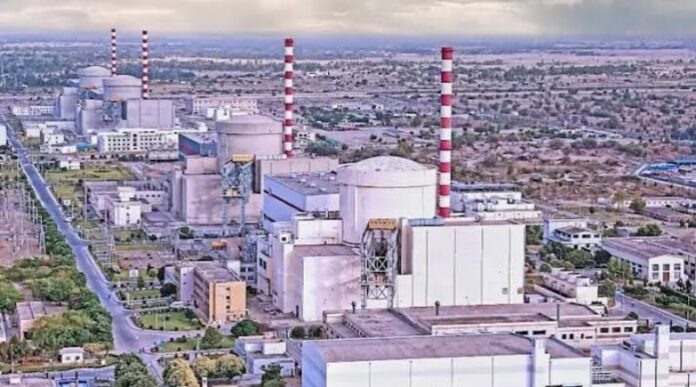

he PAEC Foundation has signed a contract for the development of a new 5-megawatt (MW) hydropower project at Chashma. The project is expected to add more clean electricity to Pakistan’s energy system and make better use of the water resources available in the area.
The agreement marks an important step toward increasing hydropower generation at the Chashma site. Once completed, the project will produce electricity through water power, helping reduce dependence on expensive fuel-based power generation.
Hydropower is already an important part of Pakistan’s electricity mix. The country has several large dams and power stations that use water to generate electricity. Smaller projects such as the proposed 5MW plant can also play a useful role, especially when they are developed on existing water infrastructure.
PAEC Foundation Moves Ahead With New Hydropower Project
The contract signed by the PAEC Foundation will support the development of the 5MW hydropower project at Chashma. The signing shows that work on the project is moving from planning toward implementation.
Chashma is already an important location for Pakistan’s energy and water-related infrastructure. The area has major facilities connected with the country’s power and water systems. Developing another electricity project there can help make better use of the existing setup.
A hydropower plant does not burn petrol, diesel, coal, or gas to produce electricity. Instead, it uses the force of moving water to turn turbines. The turbines then operate generators that produce electricity.
Because of this process, hydropower can provide electricity without the direct fuel costs linked with thermal power plants. This can become especially important when international fuel prices are high or when the country faces pressure on its foreign exchange reserves.
Project Will Have 5MW Generation Capacity
The planned Chashma hydropower project will have a generation capacity of 5MW. While this is much smaller than Pakistan’s major hydropower stations, it can still provide a useful amount of electricity for the national grid or nearby power needs.
A 5MW plant can generate electricity for many hours when suitable water flow is available. The actual amount of electricity produced can change depending on water availability, plant operations, maintenance, and other technical factors.
Small hydropower projects are often considered useful because they can be developed around existing water channels, canals, dams, barrages, and other facilities. In some cases, they can provide additional electricity without requiring the construction of a completely new large dam.
The Chashma project is therefore important not only because of its 5MW capacity but also because it represents an effort to make better use of an existing location.
Why Hydropower Is Important for Pakistan
Pakistan has faced electricity and fuel challenges for many years. The country needs more reliable and affordable energy to support homes, businesses, agriculture, and industries.
Thermal power plants depend on fuels such as gas, coal, or oil. When fuel prices increase, the cost of electricity generation can also rise. Pakistan also imports a significant amount of energy-related products, which puts pressure on the country’s foreign exchange reserves.
Hydropower provides another option. Once a hydropower plant is built, its operating costs can be relatively low because water is used as the main source of energy instead of continuously buying fuel.
This does not mean hydropower is completely free or without challenges. Building a power project requires investment, equipment, maintenance, staff, and proper water management. However, water-based generation can help reduce exposure to changing international fuel prices.
For Pakistan, increasing the share of locally available energy sources is an important part of improving energy security.
Chashma Has Strategic Importance
The Chashma area has long been linked with major national infrastructure. Its location and existing facilities make it an important place for energy and water-related projects.
The development of a new hydropower plant at Chashma can help increase the value of the existing infrastructure. Instead of relying only on the original purpose of the site, additional electricity generation can be developed where technically possible.
This type of development can be useful for countries such as Pakistan, where there is a growing need to increase power production without putting even more pressure on imported fuels.
The project can also demonstrate how existing national infrastructure can support new energy initiatives.
Clean Electricity From Water
One of the major benefits of hydropower is that it generates electricity without directly burning fossil fuels during normal operation.
Coal, oil, and gas-based plants release emissions when fuel is burned to produce electricity. Hydropower works differently. Water moves through the plant and turns turbines, while generators convert that mechanical energy into electricity.
This makes hydropower an important part of clean energy plans around the world.
Pakistan has strong potential for renewable energy because of its rivers, mountains, sunlight, and wind resources. Large hydropower projects have already been developed in different parts of the country, while solar and wind power are also expanding.
The Chashma project adds another small but useful project to this wider renewable energy picture.
Potential Benefits for the Energy Sector
The new 5MW project could provide several benefits once it becomes operational.
First, it can add new electricity generation capacity. Every additional megawatt can contribute to meeting electricity demand when the plant is available for operation.
Second, hydropower can help reduce the need for fuel-based generation. This can become more valuable during periods when fuel prices are high.
Third, the project can support Pakistan’s wider move toward renewable energy. Increasing renewable generation can help diversify the country’s energy sources.
Fourth, the project can create opportunities for technical workers, engineers, contractors, and other professionals during construction and operation.
The project may also provide experience for the development of other small hydropower schemes in Pakistan.
Contract Signing Is an Important Step
Signing the contract is an important stage in any infrastructure project. It generally means that the project has moved forward from earlier planning and preparation.
After a contract is signed, different technical, construction, procurement, and project management activities can take place according to the agreed terms.
The timeline for completing the Chashma hydropower project will depend on several factors. These can include construction work, equipment supply, site conditions, approvals, water availability, and other technical requirements.
The final electricity generation will also depend on how efficiently the plant operates after completion.
Supporting Pakistan’s Energy Needs
Pakistan’s electricity demand continues to change as the population grows and economic activity develops. Industries need reliable electricity to keep factories running, businesses require stable power for daily operations, and households depend on electricity for basic needs.
At the same time, the country has to manage the cost of electricity generation.
This makes local energy resources increasingly important. Projects that can generate power from water, sunlight, and wind can help reduce the country’s reliance on imported fuels.
The 5MW Chashma project is small compared with some of Pakistan’s major energy projects, but such projects can still contribute to the overall electricity system when developed properly.
A large number of smaller projects can collectively add meaningful generation capacity.
Hydropower Can Help Reduce Fuel Pressure
Fuel costs are one of the major concerns for Pakistan’s power sector. When global oil and gas prices increase, the impact can reach electricity generation and eventually consumers.
Hydropower does not depend on imported fuel in the same way as oil- or gas-fired power plants. Its main energy source is water.
This can provide some protection against international fuel price changes. It can also help reduce the amount of foreign currency needed for fuel purchases.
However, hydropower production depends on water conditions. During periods of low water availability, electricity production from some hydropower plants can fall.
For this reason, Pakistan needs a balanced energy system that includes hydropower along with solar, wind, nuclear, gas, and other suitable sources.
Project Could Add Value to Existing Facilities
Developing new power generation around existing infrastructure can sometimes be more practical than starting a completely new project at an undeveloped location.
Chashma already has major national facilities, making it a location with established importance. A hydropower project can use suitable water flows and infrastructure while adding another useful function to the site.
The success of such a project depends on proper engineering and careful planning. Water flow, turbine design, power transmission, safety requirements, and maintenance all need to be managed effectively.
If these areas are handled properly, the plant can provide electricity for many years after becoming operational.
A Step Toward More Renewable Energy
Pakistan has been working to increase its use of renewable energy. Solar power has grown rapidly, while wind and hydropower continue to contribute to the country’s electricity supply.
Hydropower remains particularly important because it can provide a steady source of electricity when water is available. Some hydropower facilities can also support the electricity system during periods of high demand.
The Chashma project may therefore be viewed as part of a wider effort to expand locally available and renewable energy resources.
Although a 5MW plant alone cannot solve Pakistan’s electricity challenges, it can make a contribution as part of a larger energy strategy.
What the Project Means for the Future
The contract signed by the PAEC Foundation represents progress toward adding new hydropower capacity at Chashma. The planned 5MW plant can provide another source of electricity while making productive use of water resources.
For Pakistan, projects like this can be useful in reducing dependence on imported fuels, supporting renewable energy, and improving the use of existing infrastructure.
The project’s long-term value will depend on its successful construction, timely completion, reliable operation, and proper maintenance.
If developed according to plan, the Chashma hydropower project can become another small but meaningful part of Pakistan’s electricity network.
Conclusion
The PAEC Foundation’s contract for the 5MW hydropower project at Chashma is an important development for Pakistan’s energy sector. The project aims to generate electricity through water power and can contribute to the country’s growing need for reliable and locally available energy.
Hydropower offers an alternative to fuel-based electricity generation and can help reduce exposure to changing fuel prices. It also supports Pakistan’s efforts to increase renewable energy and make better use of its natural resources.
While the 5MW capacity is modest compared with the country’s largest power projects, its importance lies in adding another renewable generation source and using the potential of the Chashma site.
As Pakistan continues to face challenges related to electricity costs, fuel imports, and energy security, projects that use domestic resources can play a useful role. The successful completion and operation of the Chashma hydropower project will determine how much it can contribute to these goals.
Read Also: check


