

Türkiye has offered to help meet Saudi Arabia’s military requirements as Houthi attacks against the kingdom continue to increase. The offer comes at a sensitive time for the region and has put the recently signed Makkah Joint Defence Agreement between Saudi Arabia, Türkiye and Pakistan under close attention.
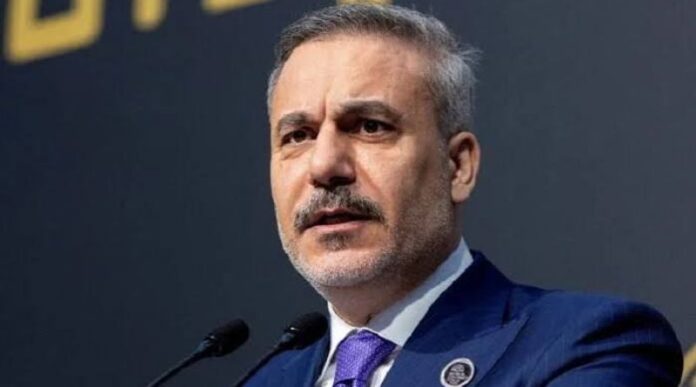
Turkish Foreign Minister Hakan Fidan said Ankara was ready to support Saudi Arabia if the kingdom needed military assistance, especially in technical areas. His remarks came after a series of Houthi missile and drone attacks targeting Saudi territory, cities, energy facilities and important shipping routes.
The latest development has raised questions about how the new defence agreement could work if one of its members faces continued attacks.
The agreement, signed by Saudi Arabia, Türkiye and Pakistan, says that an armed attack against one member will be treated as an attack against all three countries. The arrangement is designed to strengthen cooperation and collective security among the three countries.
Türkiye Ready to Support Saudi Arabia
Speaking to Turkish broadcaster NTV, Hakan Fidan said Türkiye was closely following the situation in Saudi Arabia. He said the kingdom was facing serious attacks against its territory and sovereignty.
Fidan explained that Saudi Arabia could have certain military requirements because of the ongoing attacks. He said these needs could include technical matters and that Türkiye would have no problem helping with them under the defence agreement.
However, the Turkish minister did not provide details about exactly what equipment, systems or other military support Saudi Arabia might request.
His comments are important because the Makkah defence agreement is still a new arrangement. The latest crisis is one of its first major tests, especially as attacks from Yemen’s Houthis continue.
Türkiye has also condemned the attacks and called for them to stop. At the same time, Ankara has stressed the importance of finding a political solution to the wider regional crisis.
Houthi Attacks Increase Pressure on Riyadh
Saudi Arabia has faced a growing number of attacks from the Houthis in recent weeks. The group has used missiles and drones against Saudi targets while also increasing pressure on important shipping routes.
Recent attacks have reportedly targeted areas around Riyadh and other locations. Saudi authorities have also said that its air defence systems intercepted incoming threats.
The situation has become more serious because the attacks are not limited to military targets. Energy infrastructure and shipping routes have also come under threat.
Saudi Arabia is one of the world’s biggest oil producers, so any serious attack on its energy facilities could have effects far beyond the region. Problems affecting Saudi oil exports can also influence international energy markets and shipping costs.
The Red Sea has become especially important in the current crisis. The area is a major route for international trade, connecting the Middle East with the Suez Canal and markets in Europe and beyond.
Makkah Defence Pact Faces Its First Major Test
Saudi Arabia, Türkiye and Pakistan signed the defence agreement in August. The three countries later agreed to formally establish the Makkah Defence Alliance, with a secretariat planned in Riyadh.
The main idea behind the pact is collective defence. If one member suffers an armed attack, the other members are expected to consider it an attack on all three.
This principle has led to comparisons with other collective defence arrangements. However, the Makkah agreement is still developing and does not have the same military structure or integrated command system as long-established alliances.
Questions also remain about how and when the agreement would actually be activated.
Analysts have pointed out that political support for a member does not automatically mean that another country will send combat forces. The exact response would depend on the nature of the attack, decisions by the member states and the terms of the agreement.
What Could Türkiye Provide?
Fidan’s comments focused particularly on possible technical military requirements. He did not say that Türkiye was preparing to send troops to Yemen or take part directly in combat.
Defence analysts have suggested that Türkiye could potentially offer support in areas where it has developed military capabilities. These could include air defence, drones, radar, surveillance, electronic warfare and other defence technologies.
Türkiye has developed a large defence industry in recent years, including unmanned aerial systems and other military equipment. Its armed forces also have extensive experience operating modern defence systems.
Still, it is important to separate possible assistance from confirmed plans.
There has been no announcement from Ankara saying that Turkish combat forces will enter Yemen. Fidan’s statement was about meeting Saudi military needs, particularly technical requirements.
This leaves several possible forms of cooperation open, ranging from equipment and technical support to intelligence or other forms of defence assistance.
Pakistan’s Position
Pakistan is the third member of the Makkah defence agreement and has also expressed strong support for Saudi Arabia.
Pakistan’s military leadership has said that the country stands with Saudi Arabia diplomatically and physically. However, Pakistan’s Foreign Office has also said that no military response under the agreement is currently being discussed.
Islamabad has maintained that it would act when the time comes and according to the terms of the agreement.
This position shows that the three members may support Saudi Arabia while still taking different approaches to the current crisis.
Pakistan has important relations with both Saudi Arabia and other countries in the region. Islamabad has also traditionally supported dialogue and efforts to reduce tensions in the Middle East.
The government therefore faces the challenge of balancing its defence commitments with its broader diplomatic interests.
Why the Situation Matters to Pakistan
The latest developments are also important for Pakistan because Islamabad is part of the Makkah defence arrangement.
Saudi Arabia has long been an important partner for Pakistan. The two countries maintain close economic, political and defence relations.
Pakistan also has a large military and has previously provided defence cooperation and training support to Saudi Arabia.
However, direct involvement in the Yemen conflict would be a major step. Pakistan has been careful about military involvement in Yemen in the past and has repeatedly stressed the importance of regional peace.
The current situation could therefore test how the new defence agreement works in practice.
Saudi Arabia’s Security Concerns
Saudi Arabia has invested heavily in air defence and other military systems over the years. The kingdom operates advanced systems designed to protect its cities, military facilities and energy infrastructure.
However, repeated missile and drone attacks can place pressure on any air defence network.
Saudi Arabia has reportedly sought help from several partners as the attacks continue. The kingdom’s security concerns have also increased because of wider disruptions in the region.
The current crisis involves more than the conflict between Saudi Arabia and the Houthis. It is connected to wider tensions involving Iran, the United States and other regional powers.
Saudi Arabia has said that it does not want to become directly involved in the wider US-Iran conflict.
Fidan also said that Ankara believed it was unacceptable for Saudi Arabia to be pulled into that wider war because Riyadh did not want to join it.
Threat to Oil and Shipping
One of the biggest concerns linked to the Houthi attacks is their possible impact on international energy supplies.
The Houthis have increased their activities around the Red Sea and nearby areas. The strategic Bab al-Mandeb Strait is particularly important because large numbers of commercial ships use the route.
Any prolonged disruption could force ships to take longer routes, increasing fuel use, travel time and transportation costs.
For Saudi Arabia, the issue is even more important because the kingdom depends heavily on energy exports.
If attacks continue to affect oil infrastructure or shipping routes, the consequences could spread to international markets.
This is one reason why countries outside the immediate conflict zone are closely watching developments.
Türkiye Calls for a Political Solution
Although Türkiye has offered to address Saudi Arabia’s military needs, Ankara is also pushing for diplomacy.
Fidan said new proposals had been presented to the different sides in an effort to end the fighting. He did not give details of the proposals but said the parties involved would need to accept them.
Türkiye has warned that the economic consequences of the wider regional conflict are becoming increasingly difficult to manage.
This approach shows that Ankara is combining security cooperation with calls for negotiations.
The Turkish government has also said that the Makkah alliance is defensive in nature and is not intended to replace other alliances.
The US Position
The United States also remains an important part of the wider regional security picture.
Washington has previously carried out military operations against the Houthis but has recently been cautious about becoming directly involved again.
According to reports, Saudi Arabia has asked the United States for military assistance as Houthi attacks increased. Washington has provided forms of intelligence and security cooperation but has not committed to direct strikes in response to Riyadh’s latest requests.
The situation has therefore created an unusual position for Saudi Arabia.
The kingdom has strong defence relations with the United States, while its new Makkah agreement gives it additional security partners in Türkiye and Pakistan.
Houthi Warning
The Houthis have also warned countries against becoming directly involved in the conflict on Saudi Arabia’s side.
The group has threatened a strong response if Pakistan or Türkiye enters the Yemen conflict militarily.
Such warnings increase the risks for any country considering direct military involvement.
For Türkiye and Pakistan, this means that providing technical or defensive assistance could be different from sending troops or conducting military operations inside Yemen.
The distinction may become important if the attacks continue.
What Happens Next?
The biggest question now is how Saudi Arabia, Türkiye and Pakistan will respond if Houthi attacks continue or become more serious.
Fidan’s statement does not confirm that Türkiye will enter the conflict. Instead, it shows that Ankara is prepared to discuss Saudi military requirements under the new defence agreement.
Pakistan has also expressed a strong commitment to Saudi Arabia but has said that no military response is currently being discussed.
The Makkah pact could therefore remain focused on deterrence and defence cooperation unless the situation changes significantly.
At the same time, continued attacks could increase pressure on all three countries to clarify how the agreement works.
Regional Crisis Continues
The latest developments show how quickly security problems in one part of the Middle East can affect several countries.
The Houthi attacks have created concerns for Saudi Arabia’s national security, energy infrastructure and shipping routes. They have also raised questions about the role of Türkiye and Pakistan under their new defence agreement.
For Türkiye, the immediate focus appears to be helping Saudi Arabia with possible military and technical requirements while continuing to push for an end to the wider conflict.
For Pakistan, the challenge is to maintain its commitment to Saudi Arabia while supporting diplomatic efforts to prevent further escalation.
For Saudi Arabia, the priority remains protecting its territory, people, energy facilities and vital trade routes.
The Makkah defence pact is now facing an important early test. Whether it develops into deeper military cooperation or remains mainly a political and defensive arrangement will depend on how the regional situation develops in the coming days and weeks.
Read Also: check


