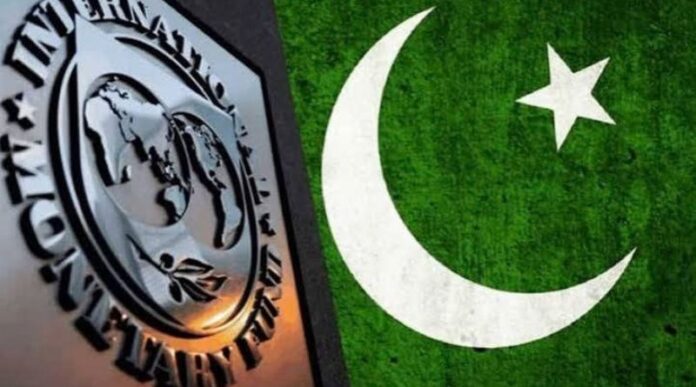

Pakistan has turned to the International Monetary Fund (IMF) several times when the country has faced serious financial problems. IMF programmes can provide much-needed loans and help restore confidence in the economy, but they also come with strict conditions. These conditions can put pressure on ordinary people, businesses, and the government.
For a country dealing with high inflation, expensive electricity, rising taxes, unemployment, and a weak currency, IMF-backed reforms can be difficult to manage. While the main purpose of an IMF programme is to improve economic stability, some of its measures can create short-term problems and make life harder for people.
Here are three major ways the IMF can hurt Pakistan if its reforms are not managed carefully.
1. Higher Taxes Can Increase the Pressure on People
One of the biggest concerns linked with IMF programmes is the demand for stronger tax collection. Pakistan has struggled for years with a narrow tax base, meaning that a relatively small part of the population and businesses pay a large share of the country’s taxes.
The IMF usually expects Pakistan to increase government revenue and reduce the budget deficit. To achieve this goal, the government may introduce new taxes, increase existing tax rates, remove exemptions, or bring more people and businesses into the tax system.
In theory, increasing tax collection is important for Pakistan. The country needs more money to pay for public services, development projects, debt payments, and other government expenses. However, the way taxes are increased can create problems.
When the government raises taxes on goods and services, companies often pass the additional cost on to consumers. This can make everyday products more expensive. Food, fuel, electricity, mobile services, transport, and other basic needs can become more costly when taxes rise.
For an average Pakistani family, even a small increase in the price of essential goods can have a major impact on the monthly budget. Families may have to reduce spending on education, healthcare, clothing, travel, or other needs.
Businesses can also face difficulties. Higher taxes increase operating costs, especially for small and medium-sized companies. Some businesses may respond by raising prices, reducing staff, delaying investment, or cutting production.
There is also a risk that excessive taxes can encourage businesses to move into the informal economy. If companies feel that the formal tax system is too expensive or complicated, some may try to avoid registration or underreport their income.
This can create a difficult situation for the government. The aim of higher taxes is to increase revenue, but if economic activity slows down, tax collection may not grow as expected.
The problem becomes more serious when taxes are imposed on sectors that are already under pressure. Pakistan’s salaried class, for example, can face a heavy burden because income is easier for the government to track and collect from formal employees.
At the same time, many people working in the informal economy may remain outside the tax net. This can create a feeling that the burden is not being shared equally.
A better tax system should therefore focus not only on collecting more money but also on making the system fair and broad. More people and businesses should contribute according to their ability to pay.
2. Energy Price Increases Can Make Life More Expensive
Another major concern is the impact of economic reforms on electricity and gas prices.
Pakistan has faced a serious energy sector problem for many years. The government has struggled with circular debt, losses in distribution companies, expensive power generation, and delayed payments. IMF programmes often push Pakistan to reduce energy subsidies and improve the financial condition of the power sector.
From an economic point of view, reducing unnecessary subsidies can make sense. If electricity is sold below its actual cost for a long period, the government has to cover the difference. This increases public debt and adds pressure to the national budget.
However, removing subsidies and increasing electricity prices can have a direct impact on households.
Pakistanis already complain about high electricity bills. For many families, the monthly power bill has become one of the largest household expenses. Any further increase can make it difficult for people to manage their income.
Higher electricity prices also affect businesses. Factories, shops, restaurants, offices, and other companies need electricity to operate. When power becomes more expensive, their production and operating costs increase.
Businesses may then raise the prices of their products and services. This creates another round of inflation.
For example, if the cost of electricity rises for a factory, the factory may increase the price of its products. Transporters, retailers, and other businesses may also increase their charges. Eventually, consumers end up paying more.
The problem is especially serious for industries that compete in international markets. Pakistani exporters already face competition from companies in countries where energy costs may be lower. Higher local electricity and gas prices can make Pakistani products less competitive.
This can affect exports, industrial growth, and job creation.
The IMF’s focus on reducing energy subsidies is understandable because Pakistan needs to fix its power sector. But simply increasing prices does not solve every problem.
The government also needs to reduce electricity theft, improve collection, control transmission losses, reform distribution companies, and make sure that power is generated at reasonable costs.
If consumers are asked to pay more while the basic problems of the energy sector remain unresolved, public frustration can increase.
There is also a social impact. Poor and middle-class families have less ability to absorb higher electricity bills than wealthy households. A price increase that looks small on paper can be significant for a family living on a limited monthly income.
Pakistan therefore needs to balance financial reforms with public relief. Energy reforms should make the sector stronger without placing an unbearable burden on ordinary citizens.
3. Spending Cuts Can Slow Economic Growth
A third way IMF conditions can hurt Pakistan is through pressure to control government spending.
Pakistan has repeatedly struggled with large budget deficits. The government spends more money than it collects in revenue, forcing it to borrow. A large part of the national budget also goes toward debt servicing.
To improve the country’s finances, IMF programmes often require Pakistan to control its spending and reduce the budget deficit.
Again, controlling unnecessary spending is important. The government cannot continue borrowing without limits. However, spending cuts can become a problem when they affect development and essential public services.
When the government reduces spending on development projects, infrastructure work may slow down. Roads, schools, hospitals, water projects, transport systems, and other public facilities may receive less funding.
This can affect economic activity because development projects create jobs and support businesses.
For example, when a major road project is delayed, construction workers, suppliers, transport companies, engineers, and other workers can lose opportunities. Local businesses near the project may also suffer.
Cuts in government spending can also affect education and healthcare if they are not carefully planned.
Pakistan already faces major challenges in these areas. Millions of children remain out of school, while public hospitals often struggle with limited resources. Reducing spending without protecting essential services can make these problems worse.
Another concern is unemployment.
Government development spending can support thousands of direct and indirect jobs. When projects are reduced or delayed, fewer employment opportunities may be created. This is especially difficult for young people entering the job market.
Pakistan has a large young population, and the economy needs to create jobs every year. If economic reforms reduce investment at the wrong time, unemployment and frustration can rise.
Spending cuts can also weaken economic growth in the short term.
When the government spends less, there may be less money moving through the economy. Contractors receive fewer projects, workers earn less, and businesses may see lower demand.
This does not mean that Pakistan should continue wasteful spending. Instead, the government needs to identify where money is being wasted and protect spending that supports long-term growth.
The focus should be on reducing unnecessary expenses rather than cutting important development programmes without considering their future benefits.
IMF Support Is Not Always Bad
Despite these concerns, it would be wrong to say that IMF programmes are always harmful for Pakistan.
The IMF can provide financial support when Pakistan faces a shortage of foreign exchange and struggles to meet its external payment obligations. Its programmes can also encourage reforms that Pakistan may otherwise delay.
For example, improving tax collection, reducing government waste, fixing the energy sector, strengthening financial management, and increasing exports are all important for Pakistan’s long-term economic health.
The real issue is how these reforms are implemented.
Pakistan has entered IMF programmes many times but has often struggled to maintain reforms after the immediate crisis ends. This creates a cycle in which the country faces another financial crisis and has to seek external support again.
The long-term solution is for Pakistan to build an economy that does not depend on repeated emergency loans.
The country needs stronger exports, better industrial growth, higher investment, improved productivity, and a wider tax base. It also needs to reduce unnecessary imports and increase foreign exchange earnings.
A Better Way Forward
Pakistan cannot ignore its financial problems. The government must improve tax collection, control debt, reform the energy sector, and manage public spending.
However, reforms should be designed in a way that protects ordinary citizens.
Instead of relying heavily on indirect taxes that affect everyone, the government should focus more on bringing untaxed income and sectors into the tax system. Wealthier individuals and profitable businesses should contribute fairly.
Similarly, energy reforms should focus on reducing theft and losses rather than simply increasing electricity prices. Better management of power companies can reduce pressure on consumers.
Government spending should also be reviewed carefully. Wasteful expenses should be reduced, but education, healthcare, infrastructure, and productive investment should receive proper attention.
Pakistan also needs to improve its relationship with the IMF by presenting practical plans that support both financial stability and economic growth.
Conclusion
The IMF can provide Pakistan with valuable financial support during difficult times, but its conditions can also create serious pressure on the economy.
Higher taxes can reduce household purchasing power and increase business costs. Higher energy prices can make electricity bills and the cost of products more expensive. Spending cuts can slow development, reduce job opportunities, and affect important public services.
These problems do not mean that Pakistan should reject economic reforms. Instead, they show why reforms need to be carefully planned and fairly implemented.
Pakistan’s biggest challenge is not simply completing another IMF programme. The real goal should be to build a stronger economy that can generate enough revenue, attract investment, increase exports, create jobs, and meet its financial needs without repeatedly depending on emergency assistance.
If Pakistan can make these changes while protecting ordinary people from excessive economic pressure, IMF-supported reforms can become part of a longer-term solution rather than another temporary step in the country’s repeated financial crisis.
Read Also: check