
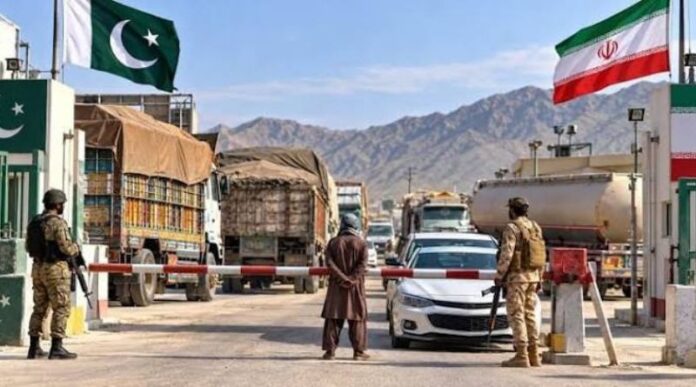

Pakistan may face a serious liquefied petroleum gas (LPG) shortage if the border with Iran remains closed for a longer period. The situation could create problems for households, transport operators, hotels, restaurants, and small businesses that depend on LPG for their daily needs. A prolonged disruption in supply may also push up prices, making it harder for ordinary people to manage their monthly expenses.
LPG is an important source of energy in Pakistan, especially in areas where natural gas is not easily available. Many families use LPG cylinders for cooking, while several commercial businesses rely on the fuel to continue their operations. Any interruption in its supply can affect both household budgets and business activities.
The possible worsening of the crisis has raised concerns about the country’s fuel supply system. If the closure continues and alternative supplies are not arranged in time, consumers may face higher prices and difficulties in finding LPG cylinders in local markets.
Why the Iran Border Closure Matters
Iran is an important neighbouring country for Pakistan, and cross-border trade plays a role in supplying different goods and products to local markets. When border movement is restricted, the transportation of goods can become difficult, affecting traders, suppliers, and consumers.
LPG supplies can also come under pressure when the movement of fuel and related goods is interrupted. Traders who depend on cross-border supplies may have to look for other sources, arrange different transport routes, or reduce the amount of fuel they bring into the market.
These changes can increase transportation costs and delay deliveries. If suppliers cannot bring enough LPG to meet local demand, the gap between available stock and consumer needs may become wider.
However, the actual effect of a border closure depends on several factors, including the amount of LPG entering through that route, the country’s existing stocks, domestic production, and the availability of imports from other countries.
If the disruption continues for several days or weeks, the pressure on the market could become more serious, particularly if there is no clear plan to maintain supplies.
LPG Plays an Important Role in Daily Life
LPG is widely used across Pakistan because it offers a practical alternative to natural gas and electricity for cooking and other household needs.
In many villages and remote areas, families do not have access to a reliable piped gas network. LPG cylinders provide these households with a convenient way to cook food, boil water, and carry out other everyday tasks.
Even in cities, some households depend on LPG because natural gas pressure remains low or supplies are not available throughout the day. During winter, when gas demand rises, more people may turn to cylinders to meet their cooking needs.
Small restaurants, roadside food stalls, tea shops, hotels, and catering services also use LPG. These businesses need a steady fuel supply to prepare meals and serve customers.
If LPG becomes expensive or difficult to find, their operating costs may increase. Business owners could be forced to raise food prices, reduce their services, or absorb the extra expenses themselves.
For low-income families, even a small increase in cylinder prices can put additional pressure on their budgets.
Prices Could Rise If Supplies Fall
One of the biggest concerns linked to the possible LPG crisis is a rise in prices. Fuel prices are affected by supply, demand, transportation expenses, import costs, and the actions of sellers in the market.
When supplies become limited while demand remains high, prices often come under pressure. Traders may also face higher costs when they have to arrange fuel from different locations or use longer transport routes.
If the Iran border remains closed, suppliers who depend on cross-border trade could face additional difficulties. They may need to purchase LPG from other sources, which could involve higher costs or longer delivery times.
These expenses may eventually be passed on to consumers.
For example, families that regularly purchase LPG cylinders could find themselves paying more to maintain the same level of fuel use. Restaurants and small businesses may also face higher monthly expenses.
However, a price increase is not guaranteed simply because a border is closed. The final impact will depend on the amount of LPG available from other sources and the government’s ability to keep the market supplied.
Authorities will need to monitor prices and supplies closely to prevent unnecessary increases and protect consumers from unfair market practices.
Low-Income Families Could Face the Greatest Problems
An increase in LPG prices would be especially difficult for families that already spend a large share of their income on food, electricity, transport, and other basic needs.
Many households have limited options when natural gas is unavailable. They cannot always switch to electric cooking because electricity costs may be high, power supplies may be unreliable, or they may not have suitable appliances.
For these families, LPG is not simply another fuel choice. It is an essential part of daily life.
If cylinder prices rise sharply, some households may try to reduce their fuel consumption or delay buying a replacement cylinder. This can make everyday activities more difficult, particularly for families with children and elderly members.
People living in remote areas could face additional challenges because transportation costs are often higher and alternative fuel suppliers may be located far away.
The government and relevant authorities will therefore need to consider the effect of any supply disruption on ordinary consumers, not just on traders and the fuel industry.
Restaurants and Small Businesses May Also Be Affected
The impact of an LPG shortage could extend beyond homes and kitchens. Many small businesses rely on the fuel to earn their daily income.
Tea stalls, roadside restaurants, bakeries, food vendors, and small hotels need LPG to prepare food and provide services. If supplies become unreliable, their ability to operate normally could be affected.
A business owner who has to pay more for fuel may face a difficult decision. Increasing prices could drive customers away, while keeping prices unchanged could reduce profits.
Some businesses may try to purchase larger quantities of LPG before prices rise further. However, this approach can put additional pressure on the market if many buyers start storing more fuel than they immediately need.
Small businesses usually have limited financial resources and may not be able to absorb a sudden increase in operating costs.
If the crisis continues, the extra expense could eventually affect the prices of meals and other products sold to customers.
This is why maintaining a stable LPG supply is important for both households and businesses.
Alternative Supplies Could Help Reduce the Pressure
One possible way to limit the effects of the crisis is to arrange LPG from alternative sources. Pakistan can explore supply options through other trading partners and established import channels, depending on availability, prices, and transport arrangements.
However, changing suppliers is not always an immediate solution. New arrangements may require time, suitable transport facilities, and additional payments.
International market prices can also affect the cost of imported LPG. If supplies from other countries are more expensive, consumers may still face higher prices even if the shortage is avoided.
The government and relevant companies would need to assess available stocks, expected demand, and the time required to bring in additional supplies.
A clear supply plan could help reduce uncertainty among traders and consumers. It could also make it easier for authorities to identify areas where shortages are becoming more serious.
Maintaining communication with importers, distributors, and local suppliers would be important during this period.
If alternative supplies are arranged before existing stocks fall too low, the risk of a major disruption could be reduced.
The Government Needs to Monitor the Situation
The possibility of an LPG shortage highlights the importance of monitoring fuel supplies and preparing for disruptions in cross-border trade.
Authorities should regularly review the amount of LPG available in the country, the level of demand, and the expected arrival of new supplies. This information can help them identify potential problems before they become more serious.
It is also important to keep an eye on prices in local markets. During supply disruptions, some sellers may try to charge more than justified by their actual costs.
Relevant departments can check whether distributors are following applicable pricing rules and whether consumers are being charged fairly.
At the same time, officials should avoid creating unnecessary panic by sharing unverified claims about shortages or price increases.
Accurate and timely information can help households plan their purchases and prevent unnecessary stockpiling.
If the crisis continues, the government may also need to coordinate with suppliers and transport companies to identify practical ways to keep LPG moving through available channels.
The main objective should be to ensure that consumers can access fuel at reasonable prices without facing avoidable delays.
Why Long-Term Planning Is Necessary
Pakistan’s dependence on different fuel sources makes it important to prepare for disruptions before they occur. Border closures, transport problems, changes in international prices, and other unexpected events can affect the availability of essential goods.
A stronger fuel supply system would help reduce the country’s exposure to these risks.
One important step is to improve planning for LPG imports and maintain suitable stocks where practical. Having enough supply to manage short-term disruptions could give authorities and businesses more time to arrange alternatives.
Another step is to develop reliable trade relationships with multiple suppliers. Depending too heavily on one route or source can create problems whenever that supply channel is interrupted.
Better coordination between importers, distributors, and government departments could also improve the movement of LPG from supply points to local markets.
In addition, consumers need clear information about prices and availability. This can help prevent panic buying and make it easier for families to manage their fuel expenses.
Long-term planning cannot prevent every shortage, but it can reduce the chances of a temporary problem turning into a major crisis.
What Consumers Should Keep in Mind
While the situation develops, households should follow reliable updates about LPG supplies and prices. Consumers should avoid panic buying or storing unusually large amounts of fuel, as this can increase pressure on the market.
Families can also take simple steps to use LPG carefully, such as checking for gas leaks, maintaining cooking equipment, and turning off the burner when it is not needed.
Safety is especially important when using cylinders. LPG cylinders should be kept in a well-ventilated area, away from flames and excessive heat. Consumers should not use damaged cylinders or attempt unsafe repairs.
If a shortage develops, buyers should compare prices from authorised or reliable sellers rather than immediately accepting unusually high rates.
Business owners can review their fuel use and keep track of supply conditions so they can prepare for possible changes in operating costs.
These steps will not solve a national supply problem, but they can help consumers avoid unnecessary expenses and reduce safety risks.
Conclusion
Pakistan’s LPG supply situation could become more difficult if the border with Iran remains closed and alternative supplies are not arranged in time. A prolonged disruption may affect traders, raise transportation costs, and put pressure on local prices.
The consequences could be particularly serious for households that depend on LPG for cooking and small businesses that use it every day. Higher fuel costs may also affect the prices of food and other services.
However, the final impact will depend on existing stocks, domestic production, alternative imports, and the duration of the border closure. A shortage or price increase should not be treated as certain without reliable information about actual supply conditions.
The government and relevant suppliers need to monitor the situation closely, maintain clear communication, and explore alternative supply options if required.
For consumers, the key concern is simple: LPG must remain available at affordable prices. Timely planning and effective market monitoring could help Pakistan reduce the risk of a wider crisis and protect households and businesses from unnecessary financial pressure.
Read Also: check