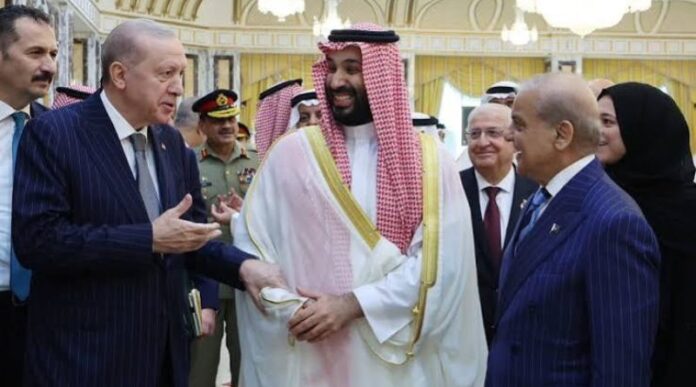

Saudi Crown Prince Mohammed bin Salman (MBS) has expressed confidence in the Makkah pact as an important step toward improving regional security and cooperation. He said the agreement can help strengthen coordination among countries and create a stronger response to threats that could affect peace and stability in the region.
The remarks come at a time when security concerns remain high across the Middle East. Several countries are facing challenges linked to armed conflicts, political tensions, border security and wider regional disputes. In this situation, Saudi Arabia has continued to stress the need for stronger cooperation between friendly and neighboring countries.
MBS said the Makkah agreement reflects a shared understanding among participating countries that regional security cannot be protected by one country alone. Instead, nations need to work together, exchange information and respond to serious threats through better coordination.
Makkah Pact Seen as Key Step for Regional Security
The Makkah pact has gained attention because of its focus on cooperation and collective security. The agreement is aimed at bringing countries closer on important security matters and creating a stronger framework for dealing with possible threats.
For Saudi Arabia, regional stability is closely linked to economic development and long-term growth. The Kingdom has been investing heavily in tourism, technology, infrastructure and other sectors as part of its wider development plans. A stable regional environment is considered important for these projects to continue.
MBS has repeatedly highlighted the importance of security and stability for the region’s future. According to the latest remarks, Saudi Arabia remains committed to working with its partners while also making it clear that threats to its security will receive a firm response.
The Makkah pact is therefore being viewed not only as a security arrangement but also as part of wider efforts to build trust between regional countries.
Saudi Arabia Pledges Firm Response to Threats
MBS also made it clear that Saudi Arabia will not ignore threats to its security or sovereignty. He pledged that the Kingdom would take decisive action when necessary to protect its people, territory and national interests.
The statement carries importance because Saudi Arabia has faced different security challenges in recent years. These have included attacks on important infrastructure, missile and drone threats and wider tensions involving regional actors.
Saudi officials have often called for dialogue and diplomatic solutions, but they have also maintained that the Kingdom has the right to defend itself.
The latest message follows the same approach. Saudi Arabia wants regional cooperation and peaceful solutions, but it also wants its partners and potential adversaries to understand that attacks or serious threats will not be treated lightly.
Regional Countries Face Growing Security Challenges
The Middle East continues to face a complicated security situation. Conflicts in different parts of the region have created concerns about their possible impact on neighboring countries.
Tensions can also affect trade, energy supplies, travel and investment. Because Saudi Arabia plays an important role in the regional economy and global energy market, developments in the region can have effects far beyond its borders.
This is one reason why Saudi leaders have continued to support stronger regional coordination.
The Makkah pact is expected to provide a platform for countries to improve cooperation in areas such as security planning, information sharing and joint action when serious threats emerge.
Such cooperation can help countries identify risks at an earlier stage and coordinate their response instead of dealing with major security incidents separately.
Importance of Cooperation Between Regional Allies
One of the key messages behind the Makkah pact is that regional countries have common interests.
Although countries may have different foreign policies and national priorities, they can still cooperate on issues that affect their shared security. Border protection, terrorism, organized crime, cyber threats and attacks on critical infrastructure are examples of areas where cooperation can be useful.
MBS’s support for the agreement shows Saudi Arabia’s interest in strengthening these relationships.
Better coordination can also improve communication during a crisis. When countries have established channels for sharing information, they can respond more quickly when a threat develops.
This can reduce confusion and help prevent a local security problem from becoming a larger regional crisis.
Makkah’s Symbolic Importance
The choice of Makkah for the agreement also carries strong significance. Makkah is one of the most important cities in the Muslim world and attracts millions of Muslims from different countries every year.
Saudi Arabia has long used its position as the host of Islam’s two holiest sites to encourage cooperation among Muslim countries.
The Makkah pact can therefore be seen in a wider context of efforts to strengthen relations among regional and Muslim-majority nations.
The agreement’s location also highlights the importance Saudi Arabia places on stability and cooperation across the wider region.
Security and Economic Development Go Together
Saudi Arabia’s leadership has linked national security with economic development. The Kingdom is currently pursuing major economic and social changes under its Vision 2030 programme.
Large projects are being developed in tourism, transport, entertainment, technology, renewable energy and other sectors. These investments require a stable environment.
Regional instability can create risks for businesses, investors and visitors. It can also increase pressure on governments and affect supply chains.
For this reason, Saudi Arabia has a strong interest in reducing security risks and improving regional cooperation.
The Makkah pact could support these efforts by encouraging countries to work together rather than responding to problems individually.
Saudi Arabia’s Broader Regional Role
Saudi Arabia remains one of the most influential countries in the Middle East. Its economic strength, energy resources, diplomatic relationships and role in the Muslim world give it an important position in regional affairs.
Under MBS, the Kingdom has become more active in diplomatic efforts involving regional conflicts and disputes.
At the same time, Saudi Arabia has sought to maintain relations with a wide range of countries. The Kingdom has promoted dialogue while protecting what it considers its national interests.
The Makkah pact fits into this broader approach. It combines the idea of regional cooperation with a clear message that security threats require a strong response.
Focus on Collective Security
The concept of collective security is based on countries working together when one or more members face serious threats.
Such agreements can help improve preparedness and allow countries to share resources, information and experience.
For the countries involved in the Makkah pact, this could mean closer communication between security agencies and greater coordination during emergencies.
However, the success of any agreement depends on how effectively participating countries implement its commitments.
Signing an agreement is only the first step. Regular communication, practical cooperation and trust between members are also needed.
MBS’s latest remarks suggest that Saudi Arabia sees the pact as a useful foundation for this type of long-term cooperation.
A Message to Potential Threats
The Crown Prince’s comments also carry a direct message to those who may seek to threaten Saudi Arabia or its partners.
The Kingdom is signaling that it wants peace and cooperation but does not intend to leave security matters unanswered.
This approach combines diplomacy with deterrence. Saudi Arabia can continue supporting dialogue while maintaining the ability to respond if its security is seriously challenged.
For regional countries, this could also encourage greater coordination in dealing with threats before they grow into larger problems.
Role of Diplomacy
While the pledge of a decisive response has received attention, diplomacy remains an important part of Saudi Arabia’s regional policy.
Diplomatic engagement can help countries settle disagreements without turning them into military conflicts. It can also create channels for communication during periods of tension.
Saudi Arabia has increasingly presented itself as a country that wants dialogue to play a greater role in solving regional problems.
The Makkah pact can complement these efforts by strengthening relations between countries and creating a stronger foundation for cooperation.
Security agreements and diplomacy do not necessarily work separately. In many cases, stronger security coordination can provide the stability needed for diplomatic discussions to continue.
What the Pact Could Mean for the Region
If implemented effectively, the Makkah pact could improve cooperation among participating countries in several areas.
First, it could help improve the exchange of security information. Faster information sharing can help governments identify possible threats before they become major incidents.
Second, it could support joint planning. Countries can prepare together for different emergencies and improve their ability to respond.
Third, stronger cooperation could build trust. Regular communication between officials can reduce misunderstandings and create better working relationships.
Finally, greater regional coordination could support wider economic and political stability.
However, these outcomes will depend on the practical steps taken by the countries involved.
Challenges Remain
Despite the positive message surrounding the Makkah pact, regional security remains difficult.
The Middle East includes countries with different political interests, security concerns and foreign policy positions. Conflicts and disagreements can make cooperation challenging.
There are also threats that do not respect national borders. Cyberattacks, terrorism, organized crime and the spread of misinformation can affect several countries at the same time.
This means regional security agreements need to remain flexible and practical.
Countries must continue communicating even when they disagree on other issues. Building long-term trust can take time, particularly in a region that has experienced years of conflict and political tension.
Saudi Arabia Wants a Stable Future
MBS’s latest remarks show that Saudi Arabia sees security as a major part of its future plans.
The Kingdom wants to attract international investment, expand tourism and develop new industries. It is also seeking to strengthen its role in global trade and diplomacy.
All of these goals are easier to pursue when the surrounding region is stable.
The Makkah pact is therefore important from both a security and economic point of view. By strengthening cooperation with regional partners, Saudi Arabia hopes to create a safer environment for its people and its development projects.
Conclusion
Crown Prince Mohammed bin Salman has placed strong confidence in the Makkah pact as a tool for improving regional security and cooperation. His message combines support for joint action with a clear warning that Saudi Arabia will respond firmly to serious threats.
The agreement comes at a time when the Middle East continues to face security and political challenges. Stronger cooperation between countries could help improve information sharing, emergency planning and coordination during crises.
For Saudi Arabia, regional stability is also closely connected to its ambitious economic plans. A safer environment can support investment, tourism, trade and development.
The Makkah pact will ultimately depend on how participating countries put its goals into practice. Continued communication, trust and practical cooperation will be important for turning the agreement into lasting security benefits.
MBS’s latest comments make one point clear: Saudi Arabia wants greater regional cooperation and peaceful solutions, but it also intends to protect its security and national interests with a firm response when necessary.
Read Also: check