
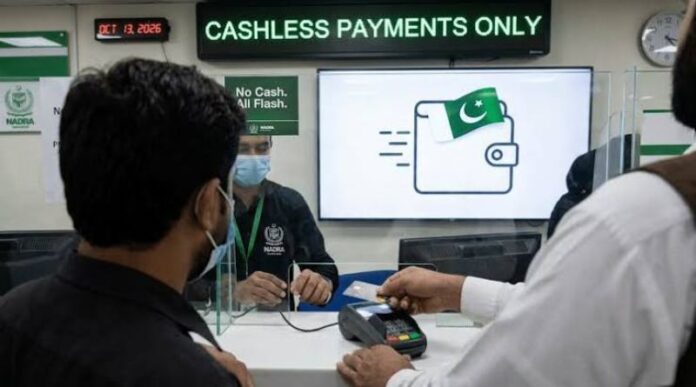

Pakistan’s National Database and Registration Authority (NADRA) is moving towards a cashless payment system to make its services easier, faster, and more convenient for citizens. This step is part of the country’s wider move towards digital payments and modern public services. The aim is to reduce the need to carry cash, make payments simpler, and improve the overall experience for people visiting NADRA offices.
NADRA provides several important services in Pakistan, including the issuance and renewal of Computerised National Identity Cards (CNICs), Family Registration Certificates (FRCs), and other identity-related documents. Millions of people depend on these services every year. By moving towards digital payments, the authority aims to make its payment process more convenient for citizens across the country.
However, the exact payment methods available, the offices covered, and the date of full implementation depend on NADRA’s official instructions. Citizens should check the latest announcements before visiting an office.
What Does NADRA Going Cashless Mean?
A cashless payment system allows people to pay for services without using physical money. Instead of handing over cash at a counter, customers can use approved digital payment methods to complete their transactions.
Depending on the facilities available at a particular NADRA office, these methods may include debit cards, credit cards, mobile banking applications, internet banking, or other approved digital payment services.
The main purpose of this change is to make payments easier to manage for both citizens and NADRA staff. Digital payments can also help reduce the problems associated with handling cash, such as counting mistakes, delays in returning change, and difficulties in maintaining payment records.
For citizens, a cashless system could mean a smoother experience when applying for identity documents or completing other official procedures. Instead of worrying about carrying the exact amount of cash, applicants may be able to pay through an available digital option.
It is important to understand that the term “cashless” does not automatically mean that every NADRA office has stopped accepting cash. Citizens should confirm the payment rules for their selected office before making a visit.
Why Is NADRA Moving Towards Digital Payments?
Pakistan is gradually increasing the use of digital payments in government offices, banks, businesses, and everyday transactions. NADRA’s move towards cashless services fits into this wider change.
One major reason for adopting digital payments is convenience. People increasingly use mobile phones to pay bills, transfer money, shop online, and manage their bank accounts. Offering suitable digital payment options at government offices can make public services easier to access.
Another reason is better financial record-keeping. Digital transactions create electronic records that can help organisations track payments and manage their accounts. These records can also make it easier to check whether a payment has been completed.
Reducing the handling of cash may also improve efficiency at service counters. Staff can spend less time counting money and dealing with cash-related issues, potentially allowing them to focus more on helping applicants.
At the same time, digital payments can support greater transparency. When payments are processed through approved systems, transaction details can be recorded electronically. This can help citizens keep proof of payment and make it easier to resolve certain payment-related problems.
However, the actual benefits will depend on how well the system is introduced, how reliable the payment services are, and whether citizens can easily access the required facilities.
NADRA Digitises 99% of Payments
One of the most important developments is that NADRA has digitised 99 percent of payments at its service centres across Pakistan. The update was discussed during a meeting held at the Finance Division on October 13, 2026.
The meeting was chaired by Minister of State for Railways and Finance Bilal Azhar Kayani. Government officials and representatives from different public and private organisations discussed progress under the Prime Minister’s Cashless Pakistan initiative.
The figures show that NADRA has made significant progress in moving away from traditional cash payments. The change is expected to make the payment process more convenient and support the government’s plan to expand digital transactions across public services. Source
The 99 percent figure is an important milestone, but it should not be taken to mean that every payment method is available at every location. Citizens should follow the instructions provided by their local NADRA office.
How Will Cashless Payments Help Citizens?
The shift towards digital payments can provide several benefits to people who visit NADRA offices for identity cards and other documents.
1. Less Need to Carry Cash
People often carry cash when visiting government offices to pay service charges. A digital payment system can reduce this need by allowing applicants to use supported electronic payment options.
This can be especially useful for people who travel from villages and smaller towns to reach NADRA centres. They may find it easier to use a suitable digital payment method instead of carrying a large amount of cash.
However, applicants should make sure that their preferred payment option is accepted before leaving home.
2. Faster Payment Process
Cash payments can sometimes take extra time because staff must count the money, check the amount, and return change where necessary.
Digital transactions can reduce these steps. Once a payment is completed successfully, an electronic record can be generated. This may help make the payment process quicker and reduce delays at service counters.
The overall time required to receive a CNIC or another document will still depend on the type of service, the application process, and the workload at the office.
3. Better Payment Records
Digital payments provide transaction details that can help citizens and service providers confirm whether money has been transferred.
These records may be useful if an applicant needs to check a payment or report a problem. Keeping a receipt, transaction number, or confirmation message can make it easier to explain the issue to the relevant staff.
Citizens should always save their payment confirmation until their application has been processed.
4. Fewer Cash-Handling Problems
Handling cash can create practical problems for both staff and visitors. These may include counting errors, incorrect change, and difficulties in matching payments with official records.
A properly managed digital payment system can reduce some of these issues. It can also help organisations maintain more organised financial records.
Still, digital payments need regular monitoring and reliable technical support. If a transaction fails or a payment is deducted without confirmation, citizens must have a clear way to report the issue.
Cashless Pakistan Initiative Gains Momentum
NADRA’s progress is part of the federal government’s wider Cashless Pakistan initiative. The programme aims to encourage electronic payments across the economy and reduce dependence on physical cash.
The government is working with banks, financial technology companies, regulators, and public institutions to make digital payments more widely available.
According to an official government update issued in July 2026, the number of active merchants accepting digital payments had increased to more than two million. The government also reported growth in digital transactions and mobile banking users. Source
These developments show that digital payments are becoming a more important part of Pakistan’s financial system.
The aim is not only to make payments easier. The government also wants more financial transactions to be recorded properly. Better records can help improve transparency and provide a clearer picture of economic activity.
For ordinary citizens, the success of this plan will depend on whether digital payment services are affordable, reliable, and easy to use.
Passport Centres Also Accept Digital Payments
The move towards cashless services is not limited to NADRA. Passport centres have also been enabled to accept digital payments, according to the briefing presented at the October 13 meeting.
This development is important because people regularly visit passport offices to apply for new passports, renew existing documents, and complete other related procedures.
Digital payment facilities can make these visits more convenient, especially for applicants who already use mobile banking or other electronic payment services.
The government has also reported that around 75 percent of payments across federal government entities operating under centralised and self-accounting systems are now accepted digitally. Source
This suggests that several public institutions are moving towards similar payment arrangements. However, the services and payment methods available may differ from one department to another.
People should therefore check the official requirements of the relevant institution before making a payment.
What Challenges Could Affect the Cashless System?
Although digital payments offer many benefits, the transition also comes with challenges. Pakistan has a large population, and people have different levels of access to banking services, smartphones, and reliable internet connections.
Internet and Network Problems
Digital transactions may become difficult when mobile networks or internet services are unavailable. Technical problems can also affect payment machines and banking applications.
If a payment system is temporarily down, applicants may have to wait until the service becomes available again. Government departments and payment providers will need to ensure that technical support is available when problems occur.
Limited Access to Digital Services
Not everyone has a smartphone or an active bank account. Some people, particularly in remote areas, may find it difficult to use certain digital payment methods.
The government and financial institutions need to make digital services accessible to people with different needs and levels of technical knowledge.
Clear instructions and helpful staff can make the process easier for first-time users.
Payment Errors and Delays
Sometimes, a banking application may show that money has been deducted even though the receiving system has not confirmed the payment.
In such cases, citizens should avoid making repeated payments without checking the transaction status. They should keep their receipt or transaction reference and contact the relevant payment provider or NADRA office for assistance.
A clear complaint process is important to protect citizens from unnecessary stress and financial loss.
Online Security
Digital payments also require care. Citizens should use official banking applications and trusted payment channels. They should never share their PIN, password, or one-time password (OTP) with anyone claiming to help them complete a transaction.
People should also be careful about fake payment links and messages asking for personal or banking details.
NADRA applicants should rely on official announcements and avoid making payments through unverified websites or individuals.
What Should Citizens Do Before Visiting NADRA?
The transition towards digital payments does not remove the need to prepare before visiting a service centre. Applicants should follow a few simple steps to avoid problems.
- Check the latest payment rules: Confirm which payment methods are accepted at your selected NADRA office.
- Carry your required documents: Bring the documents and information needed for your application.
- Keep your phone ready: If you plan to use mobile banking, make sure your phone has enough battery and your application is working.
- Check your account balance: Ensure that you have enough money available to complete the transaction.
- Save the payment receipt: Keep the transaction confirmation until your application is completed.
- Use official channels: Avoid sending money to personal accounts or following payment instructions from unverified sources.
These steps can help make the visit easier and reduce the chances of payment-related delays.
What Does This Change Mean for Pakistan?
NADRA’s progress towards cashless payments is an important development in Pakistan’s public service system. The authority has reported that 99 percent of payments at its service centres have been digitised, showing how far the country has moved towards electronic transactions.
The change could make payments more convenient, improve record-keeping, and reduce some of the problems linked to handling cash. It also supports the government’s broader efforts to expand digital financial services.
However, the long-term success of the system will depend on reliable technology, strong security, public awareness, and easy access for people who are not familiar with digital payments.
The government will also need to monitor the quality of services and make sure that payment problems can be resolved without unnecessary delays.
For citizens, the most important point is to understand the payment options available at their local NADRA centre and follow official instructions.
Frequently Asked Questions (FAQs)
1. Has NADRA gone cashless in Pakistan?
NADRA has digitised 99 percent of payments at its service centres nationwide, according to the government briefing discussed on October 13, 2026.
2. Why is NADRA moving towards digital payments?
The aim is to make payments more convenient, improve financial records, reduce cash handling, and support Pakistan’s wider move towards a cashless economy.
3. Can I still pay cash at a NADRA office?
The reported 99 percent digitisation figure does not confirm that every office has stopped accepting cash. Check the latest payment instructions for your selected centre.
4. Which digital payment methods can I use?
Available methods may vary by office and service. Check with NADRA before your visit to confirm whether your preferred payment option is supported.
5. Will digital payments make NADRA services faster?
They may reduce the time spent handling payments, but the total processing time depends on the service, application requirements, and workload.
6. What should I do if my payment is deducted but not confirmed?
Keep your transaction reference or receipt and contact the payment provider or relevant NADRA office. Avoid paying again until you have checked the transaction status.
7. Are passport centres also accepting digital payments?
Yes. Digital payment acceptance at passport centres was also reported during the October 13, 2026, government meeting.
Conclusion
NADRA’s move towards a cashless payment system marks an important step in Pakistan’s digital transformation. With 99 percent of payments at its service centres digitised, the authority has made considerable progress in reducing reliance on physical cash.
The change can help citizens make payments more conveniently while supporting better financial records and more transparent public services. It also forms part of the wider Cashless Pakistan initiative, which aims to expand electronic payments across government departments and businesses.
For this progress to benefit everyone, digital services must remain secure, reliable, and accessible. Citizens should stay informed about accepted payment methods, use official channels, and keep their transaction records safe.
If these efforts continue successfully, digital payments could make everyday government services simpler and more convenient for people across Pakistan.
Read Also: check


