
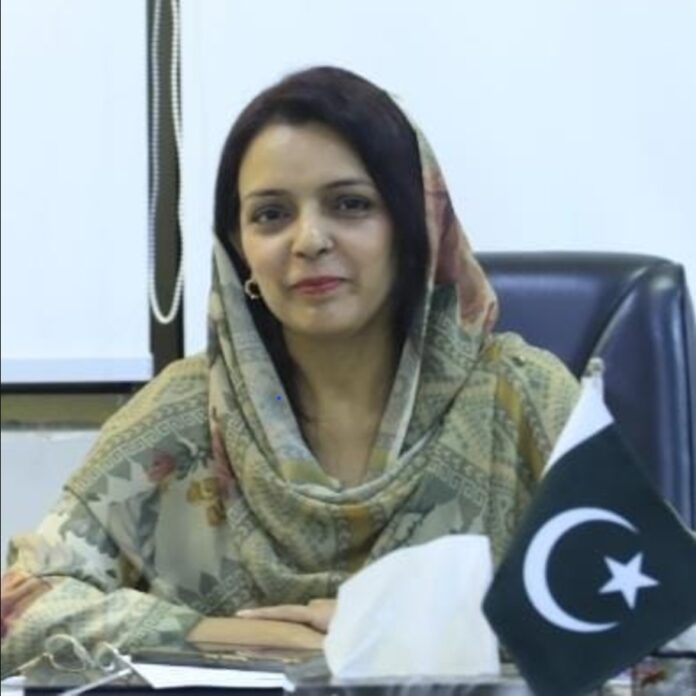

Correspondent, Awan-e-Aam (Parliamentarian Magazine) · Chairperson, Mind Empowerment Council · Academic author and teacher trainer, Cantab
While headlines chase politics, border tensions and diplomacy, the most consequential contest in Pakistan is being fought in kitchens, at fuel pumps and in utility-bill queues. For the salaried clerk, the daily-wage labourer, the small shopkeeper and the rural farmer, the question is not who prevails in Islamabad. It is whether this month’s income will stretch to the end of the month.
A cost of living that outruns the wage
The numbers explain the mood. Pakistan Bureau of Statistics data shows consumer inflation at 11.1 percent year-on-year in August 2026, against just 3.1 percent in the same month last year. The weekly Sensitive Price Indicator, which tracks the essentials households buy most often, was still running at 11.38 percent year-on-year in the week ended October 15. In plain terms, prices are rising at roughly three times the pace of a year ago. Few pay packets, especially for daily wagers and fixed-income workers, have grown at anything like that rate.
The kitchen bears the brunt
Nothing shows the squeeze more clearly than the humble roti. In early October, a 20-kilogram bag of wheat flour averaged Rs2,851, compared with Rs2,150 a year earlier. By mid-October, flour was more than 35 percent dearer than a year before. Chicken was up about 21 percent, mutton about 15 percent and beef about 12 percent. Pulses, eggs, cooked daal and tea have all crept upward as well.
For a poor household, food takes the largest share of every rupee earned, so there is little room to absorb such increases. When flour rises, the family does not cut luxuries, because it has none left to cut. It cuts the quantity and quality of what it eats.
Energy: the bills that cannot be postponed
Food is only half the story. In the week ended October 8, LPG was 68.6 percent dearer than a year earlier, with an 11.67-kilogram cylinder averaging Rs5,132. Electricity charges for the lowest-consumption group, the poorest households, were up 58.6 percent year-on-year. Petrol and diesel were up roughly 47 and 42 percent over the same period.
Petrol has since eased and stood at Rs377.71 per litre in late October, but the government raised the diesel price by Rs1.91 per litre, and fuel dealers were already urging the public to avoid panic buying. Every rupee added to diesel travels through freight and transport into the price of vegetables, flour and the bus fare to work. Fuel is a cost that reaches every household, whether or not it owns a vehicle.
The quiet adjustments
Households rarely announce their distress. They adjust quietly. Meat appears less often on the table. A child is moved from a private school to a government one, or withdrawn altogether. A visit to the doctor is postponed until the illness becomes an emergency. Neighbours and relatives are asked for small loans, and the electricity bill is paid in instalments or not at all.
These adjustments do not appear in inflation tables, but they are the real measure of a squeeze. They also carry a psychological toll: constant anxiety about the next bill, shame at having to borrow, and a growing sense that hard work no longer guarantees a decent life.
Rural Pakistan feels it more
The pressure is not evenly spread. In August, rural consumer inflation stood at 12.2 percent, higher than the 10.4 percent recorded in urban areas. Village households spend more of their income on food and fuel and have fewer alternatives to turn to. A country whose largest share of citizens lives outside its big cities cannot treat this as a problem of the bazaar alone.
What needs to be done
The government has shown awareness of the problem. The deputy prime minister has ordered urgent action to bring down wheat prices and has warned against hoarding and speculation, and the World Bank has urged Pakistan to move from stability to growth. These are the right signals, but they must translate into relief that families can feel. Four steps stand out:
- Make the wheat and flour response visible. Release stocks into the market, enforce action against hoarders at district level, and judge success by the price at the neighbourhood shop, not by the announcement.
- Protect the poorest directly. Expand and index cash support through existing social-protection channels, and shield lifeline electricity and gas consumers from the steepest increases.
- Be transparent on fuel pricing. Clear explanations of taxes and levies would reduce speculation and panic buying, and would build trust in the pricing process.
- Share the burden fairly. Broadening the tax base to those who can afford to pay would reduce reliance on indirect taxes that fall hardest on the poor.
Conclusion
Macroeconomic stability is a worthy goal, but it is hollow if it never reaches the dastarkhwan. A economy is ultimately judged by whether an honest day’s work can feed a family, keep the lights on and send a child to school. For millions of Pakistanis, that promise is under strain. Policymakers can restore it, but only if they measure progress by the household budget, not just the headline figure.
The writer is Correspondent, Awan-e-Aam (Parliamentarian Magazine), Chairperson of the Mind Empowerment Council, an academic author and teacher trainer, Cantab.