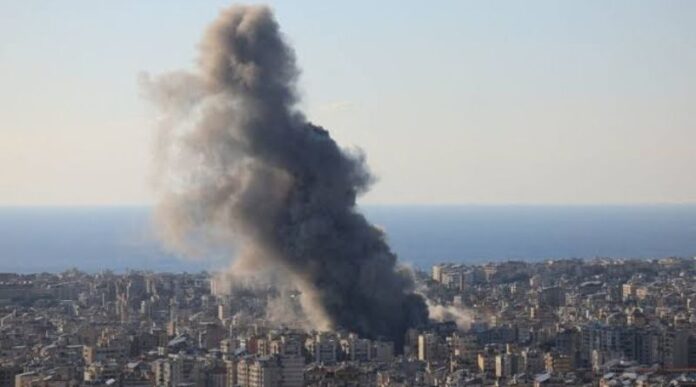

The conflict between the United States and Iran has increased tensions across the Middle East, raising fears of a wider war in the region. What began as a confrontation between two major powers has developed into a serious security crisis, with growing concerns about its impact on neighbouring countries, global trade, energy supplies, and the safety of millions of people.
The situation has put governments across the Middle East on high alert. Countries in the region are watching developments closely as military activity, political pressure, and security concerns continue to shape the conflict. The risk of further attacks has also raised questions about whether diplomatic efforts can prevent the fighting from spreading to more countries.
The growing crisis has become a major concern for the international community. The United States and Iran have long had difficult relations, but direct military confrontation can create risks that extend far beyond their borders. Any further escalation could affect regional stability and put additional pressure on an already sensitive global situation.
US-Iran Conflict Raises Fears of a Wider War
The confrontation between Washington and Tehran has created fresh uncertainty across the Middle East. Both countries have important military and political interests in the region, while several neighbouring states could face the consequences if the conflict expands.
The main concern is that continued fighting could draw more countries into the crisis. Military operations, retaliatory attacks, and growing security threats can make it difficult to keep a conflict limited to two sides. Even countries that are not directly involved may face risks to their territory, infrastructure, and citizens.
The Middle East is home to several important military bases, shipping routes, energy facilities, and commercial centres. A major conflict could put these important locations under pressure and create serious problems for regional economies.
Governments are therefore facing a difficult challenge. They must prepare for possible security threats while also trying to avoid steps that could increase tensions further.
The coming days and weeks could prove important in determining whether the confrontation becomes more serious or whether diplomatic efforts can help reduce the pressure.
Regional Countries Remain on High Alert
The widening conflict has increased concern among countries across the Middle East. Governments in the region must consider the possible effects of further military action, including threats to air travel, trade, energy supplies, and public safety.
Countries located near areas of military activity may face particular challenges. They need to protect their borders, monitor security developments, and prepare for possible emergencies. At the same time, they must consider the economic effects of prolonged instability.
The situation is also sensitive because many countries in the region have different relationships with Washington and Tehran. Some maintain close security ties with the United States, while others have political, economic, or geographical links with Iran.
These different relationships can make diplomatic efforts more complicated. Governments may support calls for peace while also taking steps to protect their own national interests.
Regional leaders have strong reasons to prevent the crisis from spreading. A wider war could damage infrastructure, interrupt business activity, and create additional difficulties for people already dealing with economic pressure.
The possibility of a longer conflict is particularly worrying because its effects may continue even after military operations decrease. Rebuilding damaged facilities, restoring trade, and bringing public confidence back can take considerable time.
Risk of Retaliatory Attacks Adds to Tensions
One of the biggest concerns in any military confrontation is the possibility of retaliation. When one side launches an attack, the other may respond with military action of its own. This can create a cycle in which each new move leads to another response.
Such a situation makes it harder to reduce tensions. Even when neither side wants a much larger war, decisions made during a crisis can lead to further escalation.
The risk becomes greater when military forces operate close to one another or when attacks affect important facilities. A single incident can create pressure on political and military leaders to respond quickly.
However, a strong response can also increase the risk of further fighting. This is why communication between governments and military authorities is important during periods of high tension.
Diplomatic channels can help countries explain their positions, avoid misunderstandings, and explore ways to reduce the chances of additional attacks.
Without effective communication, the conflict could become more difficult to control. The international community is therefore likely to remain focused on efforts to prevent further escalation and encourage restraint.
Global Oil Markets Face Uncertainty
The US-Iran conflict is also important because of its possible impact on global energy supplies. The Middle East plays a major role in the international oil and gas market, and any serious security crisis in the region can affect prices and supply expectations.
Energy markets often react to the possibility of supply disruptions, even before a shortage actually takes place. When traders fear that oil production or transportation could be affected, prices may change quickly.
A wider conflict could increase these concerns, particularly if it threatens major oil-producing areas or important shipping routes.
Higher international oil prices can create difficulties for countries that depend heavily on imported fuel. Governments may have to spend more money on energy imports, while businesses could face higher transportation and production costs.
Consumers may also feel the effects through more expensive petrol, diesel, electricity, and other goods and services.
For Pakistan, developments in the Middle East are especially important because the country relies on imported energy to meet a significant part of its needs. A prolonged increase in global oil prices could put additional pressure on the national economy.
However, the actual impact would depend on how long the conflict continues, whether energy supplies are disrupted, and how international markets respond.
Impact on Pakistan’s Economy
Pakistan is closely connected to developments in the Middle East through energy imports, trade, employment, and remittances sent by overseas workers.
A wider regional conflict could affect the country through several channels. The most immediate concern is a possible rise in oil prices. If international energy costs increase, Pakistan may face a larger import bill.
Higher fuel prices can affect many parts of the economy. Transport becomes more expensive, factories may face higher operating costs, and businesses may increase the prices of their products to cover additional expenses.
This can place further pressure on household budgets, especially when families are already struggling with the cost of living.
Inflation is another concern. If fuel and transportation costs rise, the prices of food, household items, and other essential goods may also increase. The overall effect would depend on the size and duration of the price increase.
The conflict could also create uncertainty for businesses involved in international trade. Higher insurance costs, changes in shipping routes, and delays in transportation can increase the cost of moving goods between countries.
Pakistan also has a large number of citizens working in Gulf countries. If regional instability affects employment or business activity, some overseas workers and their families could face financial uncertainty.
At the same time, it is important to note that these are possible risks rather than guaranteed outcomes. The economic impact would depend on the course of the conflict and the steps taken by the Pakistani government to manage any pressure.
Shipping Routes and International Trade at Risk
The Middle East contains important sea routes used to transport oil, gas, and other goods around the world. Any threat to these routes can create problems for shipping companies and international businesses.
When security risks increase, shipping companies may need to review their routes and safety arrangements. Some may avoid areas considered dangerous, while others could face higher insurance costs.
Longer routes can increase fuel consumption, delivery times, and transportation expenses. These costs may eventually affect businesses and consumers in different parts of the world.
The Strait of Hormuz is particularly important to global energy trade because a large amount of internationally traded oil passes through this narrow waterway. Any serious disruption there could create major concerns for energy-importing countries.
For Pakistan, difficulties in transporting energy supplies could increase the risk of delays or higher import costs. The country would need to monitor developments carefully and prepare for possible changes in international markets.
Shipping concerns can also affect goods other than oil. When transportation becomes more expensive, companies may face higher costs for importing raw materials, machinery, food products, and other items.
This shows why a regional military conflict can have effects far beyond the countries directly involved.
Humanitarian Concerns Grow
Beyond military and economic issues, a wider conflict could create serious humanitarian problems. People living in affected areas may face the danger of attacks, damage to homes, and interruptions to basic services.
Hospitals, schools, roads, electricity networks, and water systems are essential for daily life. If fighting damages these facilities or prevents people from reaching them, communities can face major difficulties.
Displacement is another possible concern. Families may be forced to leave their homes to find safer places, creating pressure on nearby towns and cities.
Humanitarian organisations may also face challenges in delivering food, medicine, clean water, and other supplies if roads become unsafe or transport routes are disrupted.
Children, older people, and those with limited access to healthcare can be particularly vulnerable during emergencies.
The longer a conflict continues, the harder it may become for affected communities to return to normal life. Even after fighting decreases, people may need help rebuilding homes, finding work, and restoring access to essential services.
For these reasons, efforts to reduce violence and protect civilians remain important parts of any wider attempt to address the crisis.
Diplomatic Efforts Remain Important
Despite the risks, diplomacy remains one of the most important ways to prevent a wider war. Direct communication between the parties can help identify areas where tensions might be reduced.
Other countries may also play a role by encouraging dialogue, offering mediation, and supporting efforts to prevent further military escalation.
Diplomatic progress can be difficult when governments have deep disagreements over security, regional influence, and national interests. However, continued communication may help reduce the risk of misunderstandings and create opportunities for negotiations.
A lasting solution would likely require more than a temporary reduction in military activity. It would need to address the main disputes between the parties and establish a way to manage future disagreements.
Confidence-building steps could also help. These might include maintaining communication channels, avoiding actions that increase the risk of accidental clashes, and supporting arrangements that protect civilians and important infrastructure.
The success of such efforts would depend on the willingness of the countries involved to consider alternatives to further fighting.
What Could Happen Next?
The future of the US-Iran conflict remains uncertain. Much will depend on the decisions made by political and military leaders, the scale of any further attacks, and the response of other countries in the region.
One possible outcome is that the confrontation continues, with periods of increased military activity followed by attempts to reduce tensions. Such a situation could keep regional governments and international markets under pressure for an extended period.
Another possibility is that diplomatic efforts create an opportunity to limit the fighting. Even a temporary reduction in hostilities could give governments more time to negotiate and prevent the crisis from becoming more dangerous.
The most serious concern is that additional attacks draw more countries into the conflict. If that happens, the effects could spread across the Middle East and create greater risks for global energy supplies, trade, and economic stability.
The international community will therefore be watching military developments and diplomatic contacts closely.
Conclusion
The US-Iran conflict has placed the Middle East under growing pressure, with fears that the fighting could spread and create a much wider regional crisis. The consequences could extend beyond military targets, affecting oil prices, shipping routes, trade, public safety, and the economic outlook of countries around the world.
Pakistan also has reasons to monitor the situation carefully. Any sustained increase in energy prices or disruption to trade could create additional challenges for its economy and ordinary citizens.
At the same time, the full impact will depend on how the situation develops. A wider war is not inevitable, and diplomatic efforts could still help reduce tensions.
For now, the main challenge is to prevent further escalation, protect civilians, and keep communication open between the countries involved. The decisions taken during this critical period could shape the security and economic future of the Middle East for a long time.
Read Also: check