

Pakistan has introduced new import restrictions on camera-enabled smart glasses, bringing more attention to the growing use of wearable technology and the possible privacy concerns linked to these devices. The new move is expected to affect the import and availability of smart glasses that come with built-in cameras and recording features.
Smart glasses are becoming popular in different parts of the world. These devices look like normal glasses but offer several smart features. Depending on the model, users can take pictures, record videos, listen to music, make phone calls, and use voice commands without holding a smartphone.
However, the same features that make these glasses useful can also create privacy concerns. A person wearing camera-enabled glasses may record people, conversations, or private moments without making it clear to others. This has raised questions about how these devices should be imported, sold, and used.
Pakistan’s latest decision highlights the need to manage new technology while protecting people’s privacy and security.
Pakistan Introduces New Restrictions on Camera-Enabled Smart Glasses
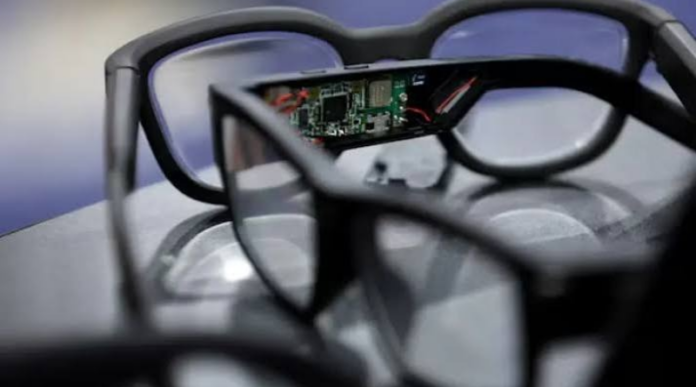
The new import restrictions focus on smart glasses that have built-in cameras and other recording-related features. These devices are different from ordinary sunglasses or traditional eyewear because they include electronic parts that allow users to capture photos and videos.
Camera-enabled smart glasses have become more advanced in recent years. Some models offer high-quality cameras, wireless connectivity, built-in microphones, speakers, and artificial intelligence features.
Because of these functions, they can be used for more than simply protecting the eyes or improving vision.
The latest restrictions mean importers and businesses dealing with these products may face additional requirements when bringing them into Pakistan. Buyers may also need to pay attention to the rules before purchasing such devices from international sellers.
The decision reflects growing concerns about technology that can secretly collect information or record people in public and private places.
What Are Camera-Enabled Smart Glasses?
Smart glasses are wearable electronic devices designed to look similar to regular eyeglasses or sunglasses. They combine traditional eyewear with modern technology.
Unlike normal glasses, smart glasses can perform different digital tasks. Many models connect to smartphones through Bluetooth or Wi-Fi, allowing users to control several features without touching their phones.
Some popular features available in modern smart glasses include:
Built-in cameras: Users can take pictures and record videos directly from their glasses.
Wireless connectivity: Devices can connect with smartphones and other compatible gadgets.
Built-in microphones: Users can make calls and give voice commands.
Audio speakers: Small speakers allow users to listen to music, podcasts, and phone calls.
Voice assistants: Some models support voice-based controls and AI-powered features.
Hands-free recording: Users can capture moments without holding a camera or smartphone.
Smartphone notifications: Certain models can provide alerts and other information.
These features make smart glasses useful for people who want quick access to digital tools while keeping their hands free.
However, camera and microphone functions are also the main reasons why these products have attracted attention from privacy experts and authorities.
Why Has Pakistan Taken This Step?
One of the main concerns surrounding camera-enabled smart glasses is privacy. Traditional cameras, such as those found in smartphones, are usually easy to notice. People can often see when someone is holding a phone and pointing its camera towards them.
Smart glasses make recording less noticeable because their cameras are placed inside the frame.
A person wearing these glasses may be able to capture images or videos without attracting much attention. This can create problems in places where people expect their privacy to be respected.
For example, someone could potentially record another person inside a private office, shopping area, hospital, educational institution, or other sensitive location.
There are also concerns about the possible misuse of recorded material. Photos and videos captured without permission could be shared online, used for harassment, or spread through social media.
These risks have increased the need for proper rules covering wearable devices with recording capabilities.
Pakistan’s new import restrictions appear to be part of a wider effort to manage technology that could create privacy and security challenges.
Privacy Concerns Linked to Smart Glasses
Privacy is becoming an important issue as technology becomes smaller and easier to carry. Smart glasses are a good example of how everyday products can turn into powerful digital devices.
The biggest concern is that people may not know when they are being recorded.
In most situations, a person can notice a smartphone camera because it is clearly visible. However, smart glasses can make recording look like normal everyday activity.
This can create uncomfortable situations in different environments.
Recording without permission
Some users may record people without asking for their permission. This could happen during meetings, conversations, social gatherings, or other personal activities.
Sharing private content
Recorded videos and pictures may be uploaded to social media platforms. Once private content is shared online, it can become difficult to control where it goes.
Workplace privacy
Offices and business environments often contain confidential information. Camera-enabled glasses could create risks if employees or visitors record private discussions or sensitive documents.
Educational institutions
Schools, colleges, and universities may also have concerns about students using recording devices without permission.
Public security
In certain locations, recording may be restricted for security reasons. Smart glasses could make it easier for someone to capture information without being noticed.
These concerns show why governments and businesses are paying more attention to wearable recording technology.
Smart Glasses Are Becoming Popular Worldwide
Despite privacy concerns, smart glasses are becoming an important part of the global technology market.
Technology companies are investing in wearable devices that combine fashion, communication, and artificial intelligence. Instead of carrying multiple gadgets, users can perform several tasks through a single wearable product.
One of the reasons behind their growing popularity is convenience.
For example, a person can take a quick picture while walking, listen to music while travelling, or answer a phone call without taking a smartphone out of their pocket.
Some advanced devices also support AI-based features. These features can help users understand information, answer questions, and interact with digital assistants.
Smart glasses are also being explored for professional purposes. They may help workers follow instructions, access information, or communicate while keeping their hands free.
However, the increasing number of features also means that authorities need to consider how these devices should be regulated.
Popular Features That Make Smart Glasses Different
Modern smart glasses are not limited to taking pictures and recording videos. Many devices offer a complete set of connected features.
Here are some important technologies that are making these products more attractive.
1. Built-in Camera Technology
A camera is one of the most noticeable features of camera-enabled smart glasses. It allows users to capture photos and videos from their own point of view.
This can be useful when recording travel experiences, outdoor activities, and everyday moments.
However, the ability to record without holding a smartphone also creates privacy concerns.
2. Artificial Intelligence Features
Some modern smart glasses include AI-powered functions. These features can help users interact with their devices through voice commands.
Depending on the model, users may be able to ask questions, receive information, and use digital assistants.
AI technology could make future smart glasses even more useful, but it may also increase concerns about how personal information is collected and processed.
3. Bluetooth and Wireless Connectivity
Most smart glasses use wireless technology to connect with smartphones.
This connection allows users to receive calls, listen to audio, and manage certain functions through a mobile application.
Wireless connectivity also makes these devices easier to use during everyday activities.
4. Built-in Audio System
Some models include small speakers inside their frames. These speakers allow users to listen to music, podcasts, and phone calls without wearing traditional headphones.
This feature is particularly useful for people who want to stay aware of their surroundings while listening to audio.
5. Hands-Free Controls
Voice commands and simple touch controls allow users to operate smart glasses without using their hands.
This makes them convenient for people who are travelling, walking, cycling, or performing other activities.
How Could the Restrictions Affect Buyers in Pakistan?
Pakistan’s new import restrictions could affect different groups, including importers, retailers, technology enthusiasts, and people interested in wearable gadgets.
The exact impact will depend on how the rules are implemented and which products fall under the restricted category.
For ordinary consumers, the biggest change could be the availability of camera-enabled smart glasses in the local market.
People who want to purchase these devices may face additional difficulties if importers need to complete extra requirements.
Here are some possible effects:
Limited product availability: Some camera-enabled models may become harder to find in local shops and online stores.
Changes in prices: If importing certain products becomes more complicated, additional costs could affect their retail prices.
More checks for importers: Businesses bringing smart glasses into Pakistan may need to follow additional import procedures.
Possible delays: Import-related requirements could increase the time needed to bring products into the country.
More awareness among buyers: Consumers may become more careful when purchasing wearable devices with cameras and recording features.
It is important to understand that these are possible effects. The actual impact will depend on the final implementation of the restrictions.
What Should Importers and Retailers Know?
Businesses involved in importing electronic products should pay attention to the latest government rules.
Smart glasses may look like ordinary eyewear, but models with cameras, microphones, and wireless communication features can fall into a different category from traditional glasses.
Importers should carefully check the applicable product classification and documentation requirements before placing large orders.
Retailers should also make sure that the products they sell meet the relevant import conditions.
Selling devices without checking the applicable rules could create problems for businesses.
Companies should also provide clear information about the features of smart glasses. Buyers should know whether a particular model includes a camera, microphone, internet connectivity, or other recording-related functions.
Following official instructions can help businesses avoid unnecessary delays and financial losses.
Will Smart Glasses Still Have a Future in Pakistan?
The introduction of import restrictions does not necessarily mean that smart glasses will disappear from Pakistan’s technology market.
Wearable technology is growing, and smart glasses are likely to remain an interesting product category.
As companies develop new models, they may introduce better cameras, improved battery performance, advanced AI tools, and more comfortable designs.
There may also be opportunities for products that focus on communication, audio, navigation, and other features without built-in recording functions.
However, the future of camera-enabled smart glasses in Pakistan will depend on government policies and how manufacturers and importers respond to privacy and security concerns.
Clear rules could help create a balance between technological development and public safety.
Consumers also have an important role to play. People using smart glasses should respect the privacy of others and avoid recording anyone in situations where permission is required.
How Can Users Respect Privacy While Using Smart Glasses?
Smart glasses can be useful, but responsible use is important.
People who already own these devices should follow basic privacy practices.
Here are some simple guidelines:
Ask for permission before recording someone in a private setting.
Avoid using camera features in restricted or sensitive locations.
Do not share private pictures or videos without permission.
Read the privacy policy of the device before using its connected services.
Keep the device’s software updated.
Understand how the camera and microphone work.
Follow local laws and the rules of workplaces or public facilities.
These steps can reduce the risk of privacy problems and help people use modern technology responsibly.
What Should Buyers Check Before Purchasing Smart Glasses?
Anyone interested in buying smart glasses should first understand the product’s features and the rules that apply to its import and use.
Not every pair of smart glasses has the same functions. Some products focus on audio and communication, while others include cameras and advanced AI features.
Before purchasing a device, buyers should consider the following points:
Camera availability: Check whether the glasses have a built-in camera.
Battery life: Find out how long the device can operate on a single charge.
Compatibility: Make sure the glasses work with your smartphone.
Audio quality: Check the quality of speakers and microphones.
Privacy settings: Understand how the device handles photos, videos, and personal information.
Official import status: Check whether the product can legally be imported and sold in Pakistan.
Warranty: Prefer products with reliable after-sales support.
Checking these details can help buyers make better decisions and avoid unnecessary problems.
Final Words
Pakistan’s new import restrictions on camera-enabled smart glasses highlight the growing importance of privacy and security in the age of wearable technology.
Smart glasses offer several useful features, including hands-free photography, video recording, wireless communication, and AI-powered assistance. However, their ability to record people without attracting attention also creates serious questions about personal privacy.
The new restrictions could affect importers, retailers, and consumers, depending on how the government applies the rules.
For now, people interested in purchasing smart glasses should check the latest official import requirements before making a decision.
As wearable technology continues to develop, Pakistan will need a balanced approach that supports useful innovation while protecting the privacy and rights of the public.
Frequently Asked Questions (FAQs)
1. Has Pakistan introduced new import restrictions on camera-enabled smart glasses?
Yes, Pakistan has introduced new import restrictions targeting camera-enabled smart glasses. These rules are intended to address concerns linked to wearable recording technology.
2. Why are camera-enabled smart glasses facing restrictions in Pakistan?
Privacy and security concerns are among the main reasons. These glasses can record pictures and videos without making the recording process easily noticeable.
3. Are smart glasses different from normal sunglasses?
Yes. Normal sunglasses mainly protect the eyes from sunlight, while smart glasses can include cameras, microphones, speakers, Bluetooth, and other electronic features.
4. Can smart glasses record videos?
Yes. Smart glasses with built-in cameras can capture pictures and record videos. Recording quality and available features depend on the model.
5. Will camera-enabled smart glasses become more expensive in Pakistan?
Prices could increase if new import requirements create additional costs for businesses. However, the actual price impact will depend on import procedures and market conditions.
6. Can I buy smart glasses in Pakistan?
Availability will depend on the product and the applicable import rules. Buyers should check whether a particular model can legally be imported and sold in Pakistan.
7. Do all smart glasses have cameras?
No. Some smart glasses only offer audio, Bluetooth, and communication features. Others include cameras and video recording functions.
8. Are smart glasses useful for everyday activities?
Yes. They can help users take pictures, listen to music, answer calls, and use voice commands without holding a smartphone.
9. What are the main privacy risks of camera-enabled smart glasses?
The main risks include recording people without permission, sharing private videos, capturing confidential information, and misusing personal content.
10. What should buyers check before importing smart glasses into Pakistan?
Buyers should check the latest official import rules, product specifications, camera features, required documentation, and any applicable approval requirements before purchasing or importing a device.