
Pakistan’s electric vehicle (EV) industry is once again facing uncertainty as the government and industry stakeholders remain divided over the country’s new EV policy. The policy was expected to provide a clear direction for the growing electric vehicle market, but its approval has been delayed because key issues between government departments and industry representatives have not yet been settled.
The delay has created concern among vehicle manufacturers, investors, dealers, and other businesses connected with the automobile sector. Many companies are waiting for the government to announce clear rules before making major investment decisions. At the same time, policymakers are trying to balance the needs of the industry with the country’s economic situation, tax requirements, energy needs, and plans to reduce fuel imports.
Pakistan has been trying to encourage the use of electric vehicles for several years. The government believes that EVs can help reduce the country’s dependence on imported petrol and diesel while also lowering pollution in major cities. However, the industry says that strong policy support is needed if electric vehicles are to become common on Pakistani roads.
New EV Policy Still Waiting for Final Approval
The proposed EV policy is expected to cover several important areas, including taxes, duties, local manufacturing, charging stations, battery technology, vehicle prices, and incentives for consumers and manufacturers.
However, discussions between the government and industry have not reached a final agreement. Different groups have different views about how quickly Pakistan should move toward electric mobility and what type of support should be provided to companies.
Industry representatives want a policy that gives investors confidence for the next several years. They argue that companies cannot invest large amounts of money in factories, technology, batteries, and charging networks if government rules keep changing.
Government officials, on the other hand, are looking at the wider economic impact of the policy. Pakistan already faces pressure on its foreign exchange reserves and must carefully manage imports. Policymakers therefore want to make sure that the shift toward electric vehicles also supports local production and does not simply increase imports of completely built vehicles.
Industry Wants Clear and Stable Rules
One of the biggest concerns among industry players is uncertainty. Companies entering the EV business need to know what taxes and duties they will face, what incentives will remain available, and what requirements they will have to meet for local production.
Industry members believe that a long-term policy can help attract both local and foreign investment. They say investors are more likely to establish manufacturing facilities in Pakistan if they know the rules will remain stable for a reasonable period.
The automobile industry also wants the government to clearly explain its plans for electric cars, motorcycles, buses, and other types of vehicles. Pakistan’s EV market is not limited to passenger cars. Electric motorcycles and three-wheelers may have an even bigger role because they are widely used by ordinary citizens and can be more affordable.
According to industry stakeholders, the government should also focus on making EVs affordable for consumers. High prices remain one of the biggest barriers to wider adoption. Although electric vehicles can save money on fuel and maintenance over time, their initial purchase price can still be too high for many Pakistani families.
Government Focuses on Local Manufacturing
The government has repeatedly talked about increasing local manufacturing in the automobile sector. The new EV policy is also expected to support local production rather than relying heavily on imported vehicles.
Local manufacturing can bring several benefits. It can create jobs, support parts suppliers, improve technical skills, and reduce the need to spend foreign currency on imported vehicles.
However, setting up an EV manufacturing industry requires investment in new technology. Electric vehicles are different from traditional petrol and diesel vehicles, particularly because of their batteries, motors, electronic systems, and software.
Pakistan’s existing auto industry has experience in traditional vehicle manufacturing, but companies will need new skills and equipment to compete in the EV market.
The government therefore faces the difficult task of encouraging local production while also allowing consumers to access affordable electric vehicles during the early stages of the market.
Tax and Duty Issues Remain a Major Challenge
Taxes and duties are among the most important parts of the EV policy. Any major change in these areas can directly affect vehicle prices and investment decisions.
Industry representatives want tax incentives that can make electric vehicles more competitive with traditional vehicles. They believe higher taxes on EVs could slow down market growth and discourage consumers from making the switch.
At the same time, the government needs to protect its tax revenue. Pakistan depends heavily on taxes collected from the automobile and fuel sectors. A rapid move away from petrol and diesel vehicles could eventually affect government revenue.
This is why policymakers have to consider both short-term and long-term effects.
A balanced approach could allow the government to provide incentives during the early years while gradually increasing local production and reducing the need for imported components.
Charging Network Needs More Attention
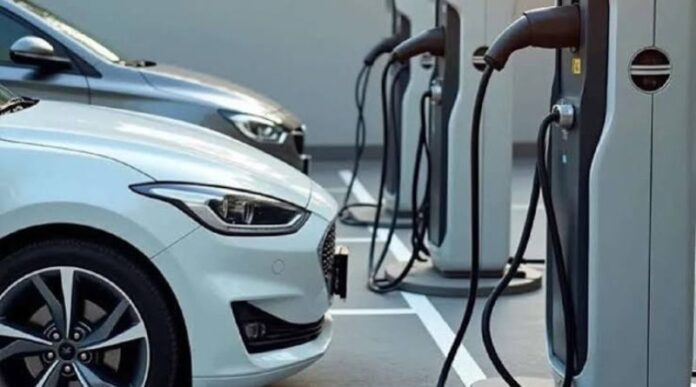
Another major issue is the lack of a strong charging network across Pakistan.
For electric vehicles to become popular, people need to feel confident that they can charge their vehicles when needed. In major cities, charging facilities are slowly appearing, but the network remains limited compared with petrol stations.
The problem is even greater for people who travel between cities. Drivers may hesitate to buy an electric car if they are unsure whether they will find a charging point during a long journey.
The new EV policy is therefore expected to provide a clear framework for charging stations. This could include rules for private companies, electricity connections, charging fees, technical standards, and locations.
The government may also need to work with power distribution companies to make sure charging infrastructure can be developed without creating additional problems for the electricity system.
Electricity Supply Is Another Concern
While EVs can reduce petrol consumption, they increase demand for electricity. This means Pakistan’s EV plans must also be connected with the country’s energy strategy.
Pakistan has faced electricity supply and pricing problems for years. If millions of vehicles eventually move from petrol to electricity, the power system will need to handle additional demand.
This does not mean EV adoption is impossible. However, proper planning will be necessary.
Experts and industry players have therefore called for better coordination between the automobile, energy, finance, and other relevant sectors. A successful EV policy cannot work in isolation.
The country will need enough electricity generation, a reliable transmission system, and charging facilities in areas where EV owners need them.
Electric Motorcycles Could Lead the Market
While electric cars receive much of the attention, electric motorcycles could play a major role in Pakistan’s EV transition.
Motorcycles are widely used across the country because they are cheaper than cars and consume less fuel. If electric motorcycles become affordable, many consumers may consider switching from petrol-powered bikes.
Lower running costs could make electric motorcycles attractive to students, workers, delivery riders, and families.
However, consumers will still look at battery life, charging time, replacement costs, and resale value before buying an electric bike. Manufacturers will need to address these concerns through better products and after-sales services.
A clear government policy could help companies invest in local production of electric motorcycles and their components.
Consumers Are Waiting for Better Options
For ordinary Pakistani consumers, the biggest question is simple: Will electric vehicles become affordable?
At present, price remains a major concern. People may understand the benefits of EVs but still choose petrol vehicles because they are cheaper to purchase and easier to service.
Electric vehicles can offer lower fuel and maintenance costs, but buyers often focus on the upfront price. If the government wants faster EV adoption, it will need to help bring prices down.
Better local production could eventually reduce costs. More competition among manufacturers could also give consumers more choices.
However, this process will take time. Companies need confidence that there will be enough demand before investing in large-scale production.
Investors Need Policy Certainty
The continuing delay is also important for investors.
Automobile companies generally make investment decisions based on long-term plans. Building factories and supply chains requires large amounts of money and cannot be done quickly.
If investors remain unsure about taxes, duties, local manufacturing rules, and future incentives, they may delay their projects.
This could slow down Pakistan’s EV industry at a time when other countries are moving ahead with electric mobility.
Industry representatives therefore want the government to settle differences quickly and announce a clear policy. They believe that even a policy with gradual targets would be better than continued uncertainty.
Pakistan Cannot Ignore the Global EV Shift
The global automobile industry is moving toward electric vehicles. Many countries are supporting EV production and sales through tax incentives, infrastructure development, and other measures.
Pakistan cannot completely ignore this change. If local companies fail to prepare, the country could become more dependent on imported electric vehicles and technology in the future.
A strong local EV industry could instead create new business opportunities.
Pakistan has a large population and a sizeable market for motorcycles and cars. With the right policies, local companies could develop products for domestic consumers and eventually explore export markets.
However, this requires cooperation between the government and private sector.
Need for Cooperation Instead of Disagreement
The current disagreement between the government and industry shows that EV policy is not a simple matter.
The government has to protect national economic interests, manage taxes, reduce imports, and support local manufacturing. Industry players need stable rules, incentives, and a reasonable environment for investment.
Both sides have valid concerns.
The best solution may be a policy that provides clear long-term targets while allowing the government to adjust certain measures as the market develops.
For example, incentives could be linked to local production levels. Companies that increase local manufacturing could receive greater support, while businesses that depend mainly on imports could face different rules.
Such an approach could encourage investment without putting excessive pressure on the national economy.
What the Delay Means for the EV Market
The delay in approving the new EV policy means that manufacturers and investors will likely continue waiting for clarity.
Consumers may also delay purchasing decisions if they expect prices or taxes to change after the policy is announced.
The longer the uncertainty continues, the harder it may become for the industry to plan investments.
However, the delay also gives the government and industry more time to resolve important issues. If used properly, this period could help produce a policy that is practical and beneficial for both businesses and consumers.
A Major Decision for Pakistan’s Transport Future
Pakistan’s electric vehicle transition is still in its early stages, but the decisions made today could shape the automobile industry for many years.
The country needs a policy that supports cleaner transportation without ignoring economic realities. It also needs to ensure that local companies get opportunities to grow and that consumers are not left with expensive vehicles they cannot afford.
A successful EV strategy will require more than tax incentives. It will need investment in charging stations, electricity infrastructure, local manufacturing, technical training, battery services, and after-sales support.
Most importantly, the government and industry will need to work together.
The new EV policy can become an important step toward reducing fuel imports, improving air quality, creating jobs, and developing new industries. But these benefits will only be possible if the policy provides clear rules and a stable direction.
For now, the industry remains in a waiting position as differences with the government continue. The key challenge is no longer simply deciding whether Pakistan should move toward electric vehicles. That direction is already becoming clear around the world.
The bigger question is how Pakistan can make that transition affordable, practical, and useful for its economy.
A timely and well-planned EV policy could give the sector the confidence it needs. If disagreements continue and the policy remains delayed, Pakistan risks losing valuable investment opportunities at a time when the global automobile industry is changing rapidly.
Read Also: check