
A Major Step for Pakistan’s Textile Industry
Pakistan is planning to establish a large garments city near Port Qasim in Karachi, a project that could create around 138,000 jobs and provide fresh opportunities for the country’s textile and clothing industry. The proposed development is expected to bring factories, supporting businesses, warehouses, training facilities and other services together in one major industrial area.
The plan is important because the textile and garments sector has always played a major role in Pakistan’s economy. The country has a strong base in cotton, yarn, fabric and clothing production, while garments remain an important source of exports and employment.
The new garments city could help Pakistan increase the production of ready-made clothes and improve its position in international markets. It could also provide more work opportunities for skilled and semi-skilled workers, including a large number of women.
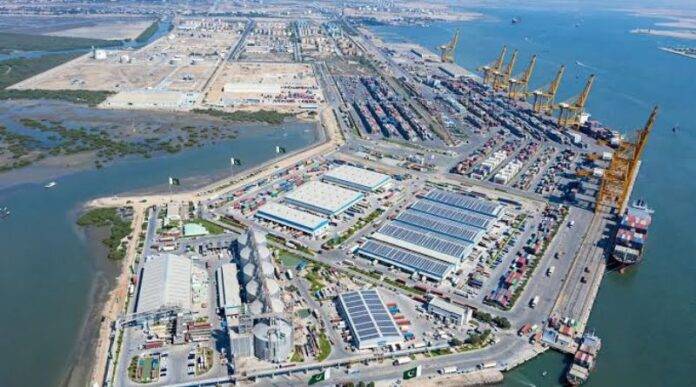
The project is planned around the Port Qasim area, which is already an important industrial and trade location. Having a garments centre close to a major port can make it easier for factories to receive raw materials and send finished products to customers in other countries.
Why the Port Qasim Location Matters
Port Qasim is one of Pakistan’s key industrial and trade areas. Its location near Karachi gives businesses access to transport, shipping and other industrial facilities.
For a garments industry, location is very important. Factories need regular supplies of cotton, fabric, buttons, zips, packaging materials and other items. At the same time, finished clothes often need to be transported to ports quickly for export.
A garments city near Port Qasim could therefore reduce transport problems and make the export process easier for manufacturers.
The government has already worked on the idea of a Karachi Garment City in the Port Qasim area. Official government records describe the Karachi Garment City project as an industrial development designed to provide plots, buildings and shared facilities for clothing and made-up garment factories. Earlier plans covered about 300 acres of industrial land in the Port Qasim area.
The latest proposal for a larger 400-acre garments city would build on the wider goal of making Karachi an important centre for garment production and exports.
138,000 Jobs Could Be Created
One of the biggest benefits expected from the project is employment.
The planned garments city is expected to create up to 138,000 jobs. This is a major number at a time when Pakistan needs more employment opportunities for its growing working population.
Garment factories require workers for many different tasks. These include cutting, stitching, ironing, washing, checking, packing, designing and machine operation. There are also jobs in management, transport, security, maintenance, accounts, sales and administration.
The project could also create many indirect jobs.
For example, garment factories need suppliers for packaging, machinery, thread, buttons, zips, labels and other products. Transport companies are also needed to move raw materials and finished goods. Food shops, repair businesses, banks and other services can also grow around a large industrial area.
This means the total economic benefit could be much bigger than the number of direct factory jobs.
More Opportunities for Women
Pakistan’s garments industry has strong potential to provide employment to women. Many jobs in stitching, quality checking, design, packing and other areas can be done by women with proper training and a safe working environment.
A large garments city could therefore help more women enter the formal workforce.
This is especially important because many women have skills in stitching and clothing work but do not have access to large factories or organised workplaces. A modern industrial area with proper facilities could give them more opportunities to earn a regular income.
Government planning for garment cities has previously included worker facilities such as training centres, medical services, transport, child-care facilities and other support services. These facilities can make industrial employment easier for workers, particularly women.
Supporting Pakistan’s Textile Exports
Pakistan is already well known for textile production, but much of the industry has traditionally focused on areas such as cotton, yarn and fabric. Increasing the production of finished garments can help the country earn more from each unit of raw material.
For example, instead of exporting only cotton or fabric, manufacturers can turn those materials into shirts, trousers, jackets, uniforms and other finished products.
Finished garments generally offer more value and can create more jobs during production.
A large garments city could encourage local companies to move further into value-added products. It could also attract new investors who want to manufacture clothing for international brands.
If production quality, delivery times and prices remain competitive, Pakistani companies could increase their presence in foreign markets.
Better Industrial Facilities
Another important advantage of a planned garments city is the availability of shared industrial facilities.
Older industrial areas can sometimes face problems such as poor roads, unreliable utilities, limited waste treatment and a lack of common services. A properly planned garments city can deal with these issues from the beginning.
Previous official plans for the Karachi Garment City included roads, communication systems, security, water and drainage facilities, industrial power, warehouses, testing laboratories, training facilities and waste-water treatment. The plans also included facilities such as firefighting services, medical facilities, parking areas, banks, shops, parks and other common services.
Such facilities can reduce the cost and difficulty of setting up factories.
Instead of every company having to develop all supporting infrastructure on its own, businesses can use facilities provided within the industrial zone.
A Boost for Local Businesses
The impact of the project would not be limited to large garment manufacturers.
Small and medium-sized businesses could also benefit from the development.
A large factory needs many suppliers and service providers. Local businesses could provide packaging, transport, machine repair, food, uniforms, office supplies and other services.
This could create a wider business network around the garments city.
Small businesses could also become suppliers to larger companies. With proper support and training, local manufacturers may be able to produce accessories and other items that are currently imported.
This could help reduce imports while increasing local production.
Training and Skills Development
A major industrial project also needs trained workers.
The garments industry uses different types of machines and production methods, so workers need practical skills. Training centres within or near the garments city could help young people learn stitching, machine operation, quality control, fashion design and other useful skills.
Training can also help workers move into better-paying positions.
For businesses, a trained workforce can improve productivity and product quality. For workers, skills can provide a better chance of finding stable employment.
Previous government plans for Karachi Garment City included a training institute, research facilities and testing laboratories, showing the importance of skills and product quality in the project concept.
Better Quality Can Help Exports
International buyers look for good quality, competitive prices and reliable delivery.
Pakistan has the raw materials and manufacturing experience needed to produce garments, but maintaining consistent quality is essential for competing with countries such as Bangladesh, Vietnam, China and other major clothing exporters.
A modern garments city could help factories improve their production systems.
Testing laboratories can help companies check fabric and finished products. Better training can improve stitching and finishing. Modern machinery can increase production speed and reduce waste.
Together, these improvements could help Pakistani manufacturers meet the requirements of international customers.
Attracting Local and Foreign Investment
Another expected benefit is investment.
A large, properly planned industrial area can make it easier for investors to establish factories. Investors generally look for locations where land, electricity, water, transport and other basic facilities are available.
The presence of Port Qasim is another advantage because exporters can access shipping facilities from Karachi.
If the project moves forward successfully, it could attract both Pakistani companies and foreign investors.
Foreign companies may also consider partnerships with local manufacturers. Such partnerships can bring new technology, production methods and access to international markets.
Why This Project Is Important for Karachi
Karachi is Pakistan’s largest business and industrial centre. It already has a large manufacturing base, a major port network and a large workforce.
Developing a garments city near Port Qasim could strengthen Karachi’s role in Pakistan’s textile and export economy.
The project could also encourage the growth of nearby areas. As factories become operational, demand for housing, transport, shops, restaurants and other services can increase.
This type of industrial development can create an economic chain in which one project supports many other businesses.
Environmental Facilities Will Also Matter
Large industrial projects must pay attention to the environment.
Garment manufacturing can use water and produce waste, especially in activities such as dyeing and washing. Proper treatment systems are therefore important.
Earlier plans for Karachi Garment City included an effluent water treatment plant, which would help deal with industrial waste water.
A modern garments city should follow proper environmental rules from the beginning. Clean water management, waste treatment, energy efficiency and safe factory practices can help reduce the environmental impact of industrial growth.
This is also becoming more important for international clothing buyers. Many global companies now expect their suppliers to follow environmental and workplace standards.
The Project Could Strengthen the Value-Added Industry
Pakistan has a long history of textile production. The next step is to increase the share of higher-value products.
Garments are one of the most important parts of this process.
Instead of selling only raw cotton, yarn or fabric, Pakistani businesses can produce finished clothing and sell directly to international buyers.
This can create more employment and generate more export income.
The proposed garments city could support this shift by bringing different parts of the clothing supply chain closer together.
What Success Will Depend On
Although the project offers major opportunities, successful implementation will be important.
A garments city cannot create thousands of jobs simply by building factories. Businesses must actually invest, production must begin, and companies must find customers in local and international markets.
Reliable electricity, water, gas, transport and other utilities will also be necessary.
The government will need to make sure that land and industrial facilities are developed on time. Investors will also need clear policies and a business-friendly environment.
If these conditions are met, the project could become an important part of Pakistan’s industrial growth.
A Potential New Chapter for Pakistan’s Garment Industry
The proposed 400-acre garments city at Port Qasim represents an important opportunity for Pakistan.
The expected creation of around 138,000 jobs could provide much-needed employment while supporting businesses across the supply chain. At the same time, the project could help increase garment exports and encourage more production of finished clothing inside Pakistan.
The location near Port Qasim is another major advantage because it connects manufacturers with one of the country’s important trade and industrial centres.
Pakistan already has the raw materials, workforce and textile experience needed to build a strong garment industry. What is needed now is better infrastructure, modern production, investment, skills and access to international markets.
If the planned garments city is developed properly, it could become more than just another industrial project. It could help create a complete clothing production centre where factories, workers, suppliers, exporters and support businesses work together.
For thousands of Pakistanis, especially young people and women, the project could open the door to new employment opportunities. For local businesses, it could create new customers and markets. And for Pakistan’s economy, it could support exports and increase the value earned from the country’s textile resources.
With careful planning and timely implementation, the 400-acre garments city at Port Qasim could become an important step toward a stronger, more modern and more export-focused garments industry in Pakistan.
Read Also: Check