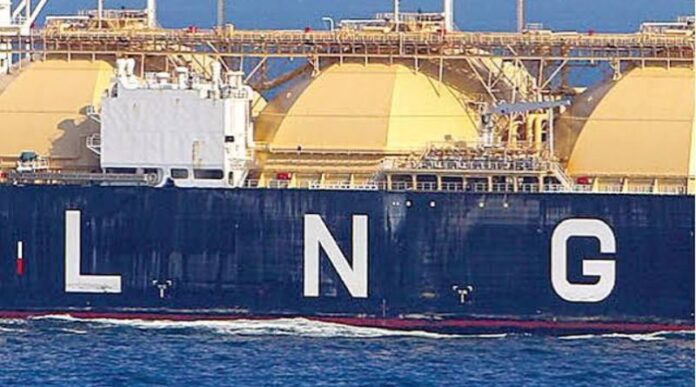

Pakistan may soon open the door for private companies to import Liquefied Natural Gas (LNG) as the government looks for new ways to meet the country’s energy needs. The possible move could bring more flexibility to the LNG market and help industries arrange gas supplies according to their own requirements.
For years, LNG imports in Pakistan have largely been handled through government-linked arrangements. The system was designed to ensure gas availability for important sectors and manage the country’s energy needs. However, changing demand, rising energy costs, and pressure on the gas sector have created a need for a more flexible approach.
Allowing private LNG imports could give businesses another option when they need additional gas. It could also reduce pressure on the government to arrange all LNG supplies itself.
The proposal is being considered at a time when Pakistan continues to face challenges in managing its energy resources. Local gas production has been under pressure, while demand from power plants, industries, and other consumers remains significant.
Why Pakistan Is Looking at Private LNG Imports
Pakistan depends on imported energy to meet part of its domestic requirements. Natural gas remains an important source of energy for power generation, industrial activity, transport, and household use.
However, local gas supplies are not enough to meet total demand. This has increased the importance of LNG, which is natural gas cooled to a very low temperature so it can be transported by ships.
The government has traditionally played a major role in importing LNG. While this arrangement provides central control over supplies, it can also make the process less flexible for private businesses.
A private import system could allow companies to arrange LNG directly when they believe they need it. Instead of waiting for government-arranged supplies, eligible businesses could potentially purchase LNG from international markets and bring it into Pakistan under approved rules.
This could be particularly useful for industries that depend heavily on gas and want greater control over their energy supply.
Private Sector Could Get More Freedom
If the proposal is approved, private companies may receive greater freedom to manage their LNG requirements.
Under such an arrangement, businesses could negotiate with international LNG suppliers and select cargoes based on their own needs. They may also have more control over the timing of imports.
This does not necessarily mean that private LNG imports would replace government imports. Instead, both systems could operate alongside each other.
Government agencies could continue arranging LNG for consumers covered under existing public supply arrangements, while private companies could import additional gas for their own use.
Such a system could create a more open market and give large consumers another way to deal with supply shortages.
Industries Could Benefit
Industrial consumers are among the groups that could benefit from private LNG imports.
Many industries require a steady gas supply for their operations. Any interruption can affect production, increase costs, and create problems for businesses that have to meet orders and delivery deadlines.
Companies that are able to import LNG privately could have greater control over their gas supply. They could plan purchases according to their production schedules and market conditions.
For export-oriented industries, reliable energy is especially important. A stable gas supply can help factories maintain production and reduce the risk of delays.
However, the actual benefit would depend on the price of imported LNG. International LNG prices can change quickly, and private companies would have to consider shipping costs, taxes, terminal charges, currency rates, and other expenses.
LNG Prices Will Remain an Important Factor
The biggest question for private companies will likely be the final cost of LNG.
International LNG prices are influenced by global demand, weather conditions, shipping costs, supply disruptions, and geopolitical developments. Prices can rise sharply when major markets compete for limited supplies.
A private company importing LNG would have to manage these risks itself.
The cost would also depend on the price at which the company purchases the LNG, the cost of transporting it to Pakistan, and the charges involved in handling and regasifying the gas.
The Pakistani rupee’s value against the US dollar would also matter because LNG deals are generally linked to international markets and foreign currencies.
As a result, private LNG imports could provide more flexibility, but they would not automatically mean cheaper gas for every consumer.
What Could Happen to the LNG Market?
Opening LNG imports to private companies could bring changes to Pakistan’s gas market.
More participants could increase competition among suppliers and buyers. Private companies may look for better deals from international suppliers and compare different sources before purchasing cargoes.
Competition could also encourage companies involved in LNG trading and supply to improve their services.
At the same time, the government would need to make sure that the market operates under clear and fair rules.
Private imports would require a proper regulatory system covering issues such as import permissions, terminal access, transportation, gas quality, safety standards, and payment arrangements.
Without clear rules, companies could face uncertainty when planning large LNG purchases.
Government’s Role Would Still Be Important
Even if private LNG imports are allowed, the government would continue to have an important role in the energy sector.
Authorities would need to set the rules under which private companies could import LNG. They would also need to monitor the market and make sure that imports meet safety and technical requirements.
Gas infrastructure is another important issue.
LNG must be unloaded at suitable terminals and converted back into gas before it can enter the transmission system. This means private importers need access to the required infrastructure.
If terminal capacity is limited, companies may face difficulties bringing in LNG even if they have secured international supplies.
Therefore, allowing private imports would only be one part of a larger energy-market reform.
Terminal Access Could Become a Key Issue
Pakistan already has LNG-related infrastructure, but access to that infrastructure would be important if private imports are expanded.
A company may be able to purchase LNG from an international supplier, but it still needs a place to receive the shipment and process the LNG.
This makes terminal access a major part of the proposed system.
If private importers are given fair access to available terminals, more companies could potentially enter the market. On the other hand, limited capacity could restrict the number of private players.
The government may therefore need to establish transparent rules for booking and using terminal capacity.
Impact on the Power Sector
The power sector is another major area where LNG availability matters.
Gas-fired power plants can play an important role in Pakistan’s electricity supply. When gas is available at a suitable price, these plants can support electricity generation.
Private LNG imports could give some power producers another option for securing fuel.
However, the economics would again depend on LNG prices. If imported gas becomes too expensive, electricity generation costs could increase.
For this reason, power companies would need to carefully compare LNG prices with other available fuel sources before making long-term decisions.
Could Private Imports Reduce Pressure on the Government?
One possible advantage of private LNG imports is that the government may not have to arrange every LNG cargo needed by the country’s private sector.
If large consumers can manage some of their own requirements, the government could focus its resources on essential public supply arrangements.
This could also reduce some of the financial pressure linked with energy imports.
However, this would depend on how the new system is designed. The government would still need to manage the country’s wider gas supply situation and ensure that important consumers are not left without fuel.
Private imports should therefore be viewed as an additional option rather than a complete solution to Pakistan’s gas problems.
Challenges Cannot Be Ignored
Despite the possible benefits, private LNG imports could also create challenges.
One concern is affordability. Not every company can afford to purchase LNG directly from international suppliers. Smaller businesses may not have the financial strength or technical resources needed to enter the market.
Large companies with stronger financial positions could find it easier to arrange international contracts.
Another challenge is price risk. A company buying LNG at a high international price could face significant costs if market prices later fall.
Currency risk is another issue. Since international LNG purchases are linked to foreign currencies, changes in the exchange rate can affect the final cost in Pakistan.
These risks mean that private LNG imports would likely be more suitable for companies that have the financial capacity and expertise to manage international energy purchases.
A More Flexible Energy System
Pakistan’s energy sector has been looking for ways to become more flexible and financially sustainable.
Private LNG imports could become one part of this effort.
Instead of relying on a single purchasing system, the market could have a combination of government-arranged and privately arranged supplies. This could give consumers more choices.
For industries, having another source of gas could make it easier to plan production. For the government, private participation could reduce some of the responsibility for arranging additional supplies.
But the success of such a system would depend on proper planning and regulation.
Need for Clear and Simple Rules
For private LNG imports to work smoothly, businesses will need clear rules from the beginning.
Companies should know how they can obtain approval, how terminal capacity will be allocated, how imported LNG will enter the gas network, and what charges will apply.
The process should also be predictable.
Businesses make investment decisions based on long-term expectations. If regulations keep changing, companies may hesitate to commit large amounts of money to LNG imports or related infrastructure.
A transparent system could encourage more private investment in the energy sector.
What It Could Mean for Consumers
The impact on ordinary consumers may not be immediate.
Private LNG imports would mainly affect companies and large energy users that are able to participate directly in the market. Any wider impact on household gas supplies or prices would depend on government policy and how the overall gas market develops.
If private imports help industries maintain production, there could be broader economic benefits through more stable industrial activity.
On the other hand, higher LNG costs could increase the cost of production for businesses that rely on imported gas. Companies may then face pressure to increase the prices of their products or services.
This is why the pricing structure will remain an important part of the policy.
A Possible Change for Pakistan’s Energy Market
The possible permission for private LNG imports marks an important discussion for Pakistan’s energy sector.
The country needs reliable energy supplies, but it also needs to manage costs and reduce pressure on public finances. Giving private companies a greater role could provide another way to meet energy demand.
The proposal could also encourage more private-sector involvement in the LNG market and give businesses greater control over their fuel supplies.
At the same time, private LNG imports are not a quick fix for all of Pakistan’s energy challenges. The country still needs to address local gas production, transmission capacity, energy losses, pricing issues, and the financial problems affecting the wider power and gas sectors.
The government will therefore need to carefully design the policy if it decides to move forward.
What Comes Next?
The next stage will depend on government decisions regarding the structure and rules for private LNG imports.
If the plan receives approval, authorities are likely to work on the regulatory framework needed to allow private companies to purchase and import LNG.
Businesses will then have to assess whether private imports make financial sense for them.
For some large industrial users, direct LNG purchases could offer greater flexibility. Others may continue using existing gas supply arrangements depending on cost and availability.
The overall impact will become clearer once the government announces the final policy details.
For Pakistan, the key goal will be to balance private-sector participation with energy security, affordability, and proper market regulation. If handled carefully, private LNG imports could give the country’s energy market another source of flexibility while allowing businesses to take a greater role in managing their own fuel needs.
The proposal comes at a time when Pakistan is trying to improve its energy system and reduce pressure on government resources. Whether it delivers meaningful benefits will depend largely on LNG prices, infrastructure access, regulatory rules, and the ability of private companies to manage international energy-market risks.
For now, the possibility of allowing private LNG imports signals a potential shift toward a more open and flexible gas market in Pakistan.
Read Also: check