
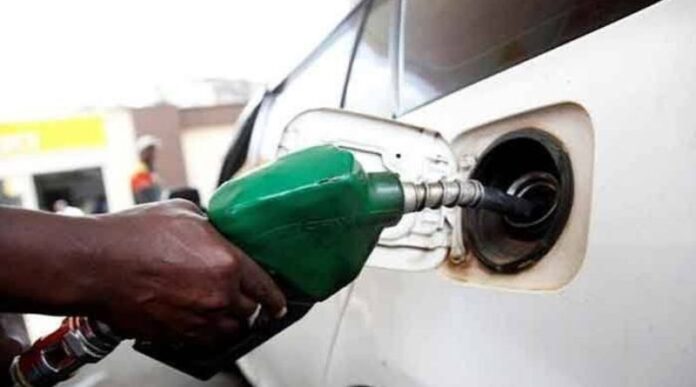

Petrol prices in Pakistan have finally come down for the first time since September, bringing some relief to people who have been facing rising fuel costs. The change is important for motorists, motorcyclists, transporters, and businesses that depend on petrol for their daily activities.
Fuel prices have a direct effect on the lives of ordinary people in Pakistan. When petrol becomes expensive, travelling costs increase, public transport fares may rise, and businesses often have to spend more money on moving goods. These additional expenses can also affect the prices of food, groceries, and other daily-use items.
A reduction in petrol prices can help lower some of this financial pressure. However, the actual benefit for consumers depends on how much prices have decreased and whether transport operators and businesses pass on the savings to their customers.
The latest decrease is especially important because it marks the first reduction since September. After a period of higher prices, even a small drop can offer some relief to households already managing electricity bills, food expenses, school fees, and other essential costs.
Petrol Prices Fall After a Long Wait
Petrol prices are closely watched in Pakistan because millions of people rely on fuel for their daily travel. Motorcycles are a common means of transport, particularly for workers, students, and people who need an affordable way to reach their workplaces.
When petrol prices increase, motorcycle owners often have to set aside more money for fuel. Car owners also face higher expenses, especially those who travel long distances every day. For families with limited incomes, these additional costs can make monthly budgeting more difficult.
The latest reduction offers some relief after petrol prices remained under pressure following the September period. It also gives consumers a reason to review their transport expenses and see how much they can save.
However, the size of the reduction matters. A small decrease may not make a major difference to household budgets, while a larger cut could provide more noticeable savings for people who use their vehicles regularly.
Consumers should check the officially announced petrol price before visiting a filling station, as the applicable rate depends on the government’s latest notification.
Why Petrol Prices Matter in Pakistan
Petrol is an important part of Pakistan’s economy. It is used by private vehicles, motorcycles, taxis, ride-hailing services, and many small businesses. Changes in fuel prices can affect several areas of daily life.
For example, a person who uses a motorcycle to travel to work may spend a significant amount of money on petrol every month. When fuel prices rise, that person may have less money available for food, household bills, or savings.
The same situation applies to people who use cars for work or family responsibilities. Higher fuel costs can increase the expense of travelling to offices, schools, hospitals, and markets.
Transport businesses are also affected. When their fuel expenses increase, some operators raise fares to cover the additional cost. This means that even people who do not own a vehicle can feel the impact of petrol price changes.
A decrease in petrol prices can help reduce these expenses, although the final benefit depends on the size of the reduction and other operating costs.
Impact on Daily Travelling Expenses
One of the first areas where consumers may notice a change is their daily travel budget. People who travel by motorcycle or car can calculate their possible savings by comparing their previous fuel expenses with the new rate.
For example, a motorcyclist who buys several litres of petrol every week may save a small amount each time they refill the tank. Over several weeks, these savings can add up.
Car owners who regularly travel longer distances may also benefit. However, their total savings will depend on the vehicle’s fuel average, the distance travelled, and the difference between the old and new petrol prices.
People who use their vehicles for business may find the reduction helpful as well. Delivery workers, sales representatives, and small traders often need fuel to complete their daily work.
Although a price decrease does not remove all the pressure caused by high living costs, it can make everyday travel slightly more affordable.
Will Public Transport Fares Also Decrease?
A common question after a petrol price reduction is whether public transport fares will also come down. Many people in Pakistan depend on buses, vans, rickshaws, and other forms of public transport to travel to work and educational institutions.
Lower petrol prices can reduce the fuel expenses of some transport operators. However, fares do not always change immediately after a reduction.
Transport operators may also have to pay for vehicle maintenance, spare parts, tyres, staff salaries, and other running costs. In some cases, these expenses can limit the benefit of cheaper fuel.
Public transport fares also depend on local rules and market conditions. As a result, passengers should not assume that fares will automatically fall whenever petrol prices decrease.
If the reduction is significant and remains in place, transport authorities and operators may have more room to review their rates. Any actual fare change should be confirmed through an official announcement or the relevant transport service.
How Petrol Prices Affect the Cost of Goods
Fuel prices can influence the cost of many products sold in Pakistan. Goods must be transported from farms, factories, warehouses, and wholesale markets to shops and consumers.
When fuel becomes expensive, transport companies may face higher delivery costs. Businesses can respond by increasing their prices or accepting lower profits.
This is one reason why petrol price changes are closely linked to concerns about inflation. Higher transport expenses can place pressure on the prices of vegetables, fruit, groceries, construction materials, and other products.
When petrol becomes cheaper, some of these expenses may fall. However, consumers should not expect every product to become cheaper immediately.
Prices also depend on supply, demand, storage, electricity costs, labour expenses, taxes, and other factors. Retailers may take time to adjust their prices, and some products may not become cheaper at all.
The latest petrol reduction could therefore provide some support to businesses, but its effect on the overall cost of living will depend on several conditions.
Read Also: check