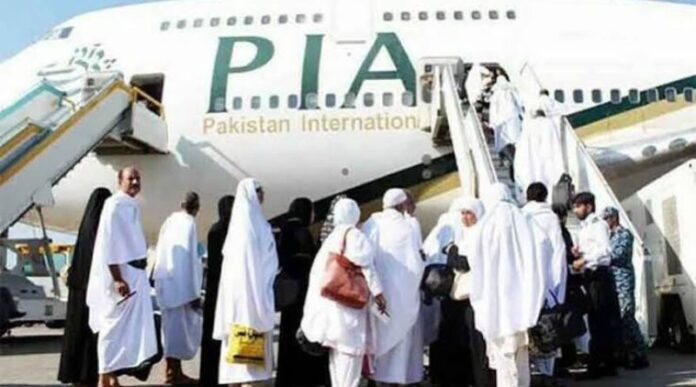

Pakistanis planning to perform Hajj may get a new opportunity to save money through an interest-free Hajj savings scheme. The proposed initiative aims to help people prepare for the holy journey by allowing them to deposit money over time instead of arranging the full amount at once.
Hajj is one of the most important religious duties for Muslims who have the financial and physical ability to perform it. However, the rising cost of travel, accommodation, transport, and other services has made it difficult for many Pakistani families to arrange the required funds. For people with limited incomes, saving enough money for Hajj can take several years.
An interest-free Hajj savings scheme could make this process easier by giving people a planned way to save for their religious journey. Instead of collecting a large amount at the last moment, applicants would be able to set aside a certain amount of money regularly according to their financial position.
The idea is especially important for salaried employees, small business owners, pensioners, and families who want to prepare for Hajj without taking loans or facing financial pressure.
However, the exact rules, launch date, participating banks, deposit limits, and withdrawal conditions will depend on the official details announced by the relevant authorities. Until these details are confirmed, people should treat the scheme’s specific terms as unconfirmed.
What Is the Interest-Free Hajj Savings Scheme?
The proposed Hajj savings scheme is intended to help Pakistani citizens save money for Hajj through a planned deposit system. Its main purpose is to make financial preparation easier for people who cannot afford to pay all the expenses in one go.
Under a savings plan of this kind, a person may deposit a fixed amount every month or at regular intervals. The money gradually builds up over time and can help cover the expected expenses of Hajj when the person becomes eligible to travel.
For example, a person who wants to perform Hajj after a few years could begin saving a small amount every month. This approach would allow the person to prepare in advance instead of depending on last-minute arrangements.
The interest-free feature is also important for Muslims who want to manage their money according to Islamic financial principles. Many people prefer financial services that do not involve interest because of their religious beliefs.
However, the exact structure of the proposed scheme needs to be confirmed. It is important to know whether the plan will operate through Islamic banks, government departments, or another approved financial system.
The final policy should explain how deposits will be managed, whether any service charges will apply, and what conditions participants must meet before withdrawing their money or using it for Hajj.
Why Pakistan Needs an Interest-Free Hajj Savings Plan
The cost of performing Hajj has become a major concern for many families in Pakistan. Applicants must arrange money for several expenses, including air travel, accommodation in Saudi Arabia, transport, food, and other services required during the pilgrimage.
These costs can be difficult to manage for households that depend on monthly salaries or have several financial responsibilities.
Many families already spend a large part of their income on food, electricity bills, education, healthcare, rent, and transport. After meeting these basic needs, saving a large amount for Hajj can become a long and challenging process.
An organised savings plan could help people divide this financial responsibility into smaller amounts.
Instead of waiting until they have enough money for the entire journey, interested citizens could start saving early. This would give them more time to build their funds and plan their expenses.
The scheme could also encourage better financial planning. People would have a clear savings goal and could make regular deposits according to their income.
For families who have wanted to perform Hajj for many years, an interest-free savings option could provide a more organised way to prepare.
Still, the success of the scheme will depend on its actual design, accessibility, and ability to protect participants’ savings.
How the Hajj Savings Scheme Could Work
Although the official operating rules must be confirmed, a planned Hajj savings scheme could follow a simple process.
1. Opening a Hajj Savings Account
Interested citizens may be required to open a dedicated savings account with an approved bank or financial institution.
The account would be used to collect money specifically for Hajj expenses. Applicants might need to provide identification documents, personal details, and other information required by the scheme.
The final rules would determine whether accounts could be opened online, at bank branches, or through government offices.
2. Depositing Money Regularly
After opening an account, participants could deposit money according to the scheme’s rules.
Some people may prefer monthly deposits because they receive salaries every month. Others, such as business owners and farmers, may prefer to deposit money when their income becomes available.
A flexible deposit system could help people from different financial backgrounds participate.
However, the minimum deposit, maximum deposit, payment schedule, and any required contribution would need to be explained in the official policy.
3. Building Savings Over Time
Regular deposits could gradually increase the amount available for Hajj.
For instance, someone who saves Rs. 10,000 every month would deposit Rs. 120,000 over 12 months, excluding any fees or other adjustments. Saving for several years could help the person build a larger amount.
This is only an example of how regular saving works. It does not represent an official deposit requirement or a confirmed feature of the proposed scheme.
The amount a person needs to save would depend on the expected cost of Hajj, the time available, and the financial rules of the scheme.
4. Using the Money for Hajj
When the participant is ready to apply for Hajj, the saved funds could help cover the required expenses.
The final policy should explain how the money would be used, whether it would be transferred directly towards Hajj payments, and what happens if the participant is unable to travel in the selected year.
It should also clarify whether having enough savings would guarantee a place for Hajj. Unless the authorities specifically confirm such a benefit, people should not assume that opening an account automatically guarantees selection.
How an Interest-Free Scheme Could Help Pilgrims
An interest-free savings scheme could offer several benefits to people who want to perform Hajj.
Less Financial Pressure
The biggest advantage of saving in advance is that it reduces the need to arrange a large amount at the last moment.
People can plan their deposits according to their income and other household expenses. This may help them avoid sudden borrowing or selling valuable belongings to pay for the journey.
A gradual savings plan can also make the target feel more achievable.
Support for Low- and Middle-Income Families
Many Pakistani households have limited savings. Even when they want to perform Hajj, their monthly expenses leave little money available for long-term goals.
A scheme that allows small, regular deposits could make financial preparation easier for these families.
The benefits would depend on whether the minimum deposit is affordable and whether participants can continue saving without facing unnecessary penalties.
A Shariah-Friendly Savings Option
For Muslims who avoid interest-based financial products, an interest-free option may be more suitable for their religious preferences.
However, the term interest-free should be supported by clear financial rules. Authorities should explain how the accounts will operate, whether any service charges apply, and how the arrangement meets the relevant Islamic finance requirements.
Clear information would help people understand the scheme before putting their money into it.
Better Financial Planning
A dedicated account could encourage participants to keep their Hajj savings separate from their everyday spending.
This may make it easier to track progress and avoid using the money for unnecessary purchases.
Families could also discuss their savings targets and decide how much they can comfortably put aside every month.
More Time to Prepare
Planning several years in advance gives people more time to arrange documents, understand the Hajj application process, and prepare for the physical and practical demands of the journey.
Financial preparation is only one part of getting ready for Hajj, but it can remove a major source of stress.
Who Could Benefit From the Scheme?
The proposed plan could be useful for different groups of people across Pakistan.
Salaried employees may benefit from a monthly savings arrangement that matches their salary schedule. They could set aside a fixed amount after receiving their income.
Small business owners could make deposits according to their earnings. A flexible system would be especially useful for people whose income changes from month to month.
Farmers and self-employed workers may prefer saving larger amounts during periods when they receive payments from their work.
Young adults could begin preparing for Hajj early in their working lives. Starting early may give them more time to reach their savings target.
Families planning Hajj together could use the scheme to organise their finances and prepare for the expenses of one or more family members.
Pensioners may also find a regular savings plan useful, provided its deposit requirements are suitable for their income.
However, the actual eligibility criteria will depend on the official scheme. Applicants should check the age requirements, identification rules, account conditions, and any other restrictions before registering.
Important Details the Government Needs to Explain
For the scheme to gain public trust, people will need clear answers about its operation.
First, the authorities should announce the official launch date and explain which department or financial institution will manage the programme.
Second, the government should provide details about the minimum deposit and whether participants can choose their own savings schedule.
Third, the rules should explain how the deposited money will be protected. People need to know which institution will hold the funds and what safeguards will apply.
Another important question concerns withdrawals. Participants may face unexpected expenses or changes in their plans. The scheme should clearly explain whether they can withdraw their money, how long the process takes, and whether any charges or restrictions apply.
The authorities should also clarify whether there will be any account maintenance fees, registration charges, or other costs.
Although the scheme is described as interest-free, participants should understand whether it includes any separate administrative charges. Such charges are not the same as interest, but they can still affect the total cost of using an account.
Finally, the government should explain the relationship between savings and Hajj selection. Saving money may help applicants prepare financially, but it should not be treated as a confirmed guarantee of travel unless the official policy explicitly states this.
Will the Scheme Make Hajj More Affordable?
An interest-free savings scheme could make it easier for people to arrange the money required for Hajj. However, it would not necessarily reduce the actual cost of performing the pilgrimage.
The price of Hajj depends on several factors, including airfares, accommodation, transport, food, exchange rates, and the services included in a package.
A savings scheme mainly changes how people prepare for these expenses. It allows them to spread their financial planning over a longer period instead of collecting the entire amount shortly before departure.
This difference is important.
For example, a family that starts saving several years in advance may be in a stronger position to manage the cost when it is ready to apply. However, if Hajj expenses increase over time, the family may need to save more than originally planned.
The scheme would therefore work best when combined with clear information about expected costs and regular financial planning.
Authorities could also help participants by providing sample savings plans for different income levels. These plans could show how much a person may need to save each month to reach a particular financial target.
Such guidance would make it easier for people to set realistic goals without putting pressure on their household budgets.
What Applicants Should Do Before Registering
Until the official details are available, people interested in the scheme should take a few practical steps.
Follow official announcements: Check updates from the Ministry of Religious Affairs and the relevant government departments.
Confirm the authorised institution: Use only a bank or organisation officially approved to manage the scheme.
Read the terms carefully: Understand deposit requirements, withdrawal rules, charges, and account conditions.
Keep financial records: Maintain receipts and account statements for every deposit.
Avoid unverified claims: Do not pay registration fees to individuals or websites claiming to offer early access unless their authority has been confirmed.
Plan according to your income: Choose a savings target that does not affect essential household expenses.
People should also remember that a Hajj savings account is not a substitute for checking the official application process. Applicants will still need to follow the applicable Hajj policy and meet the requirements for the relevant year.
Frequently Asked Questions (FAQs)
1. What is Pakistan’s interest-free Hajj savings scheme?
It is a proposed savings initiative intended to help Pakistani citizens prepare financially for Hajj by setting aside money over time without relying on an interest-based savings arrangement. The final structure and rules need to be confirmed through official announcements.
2. Who can apply for the Hajj savings scheme?
The scheme may be intended for Pakistani citizens who want to save for Hajj. However, the exact eligibility conditions, age limits, documentation requirements, and registration process will depend on the official policy.
3. Will participants have to deposit money every month?
Regular monthly deposits could be one possible way to operate the scheme. However, the official rules must confirm whether monthly deposits will be compulsory or whether participants will have other payment options.
4. Does opening a Hajj savings account guarantee a place for Hajj?
Not necessarily. A savings account can help people arrange the required money, but it should not be considered a guarantee of Hajj selection unless the relevant authorities explicitly confirm this benefit.
5. Can participants withdraw their savings if they change their plans?
The answer will depend on the final withdrawal policy. Before opening an account, applicants should check whether withdrawals are permitted, whether any charges apply, and how long it takes to receive the money.
6. When will the interest-free Hajj savings scheme start?
The launch date should be confirmed through an official government announcement. Until then, people should avoid relying on unofficial registration dates or claims about when applications will open.
Conclusion
Pakistan’s proposed interest-free Hajj savings scheme could provide a helpful option for people who want to prepare for the holy journey in a planned and organised way. By saving money gradually, participants may be able to reduce financial pressure and prepare for Hajj without having to arrange the full amount at once.
The initiative could be particularly useful for salaried employees, small business owners, young adults, and families who need more time to arrange their expenses.
However, its real benefits will depend on the final rules, deposit requirements, account security, withdrawal conditions, and the institutions responsible for managing the funds.
Clear guidance from the government will be essential to help people understand how the scheme works and whether it suits their financial needs.
Read Also: check