

Introduction
The foldable smartphone market is expected to see strong growth in 2026, with shipments of foldable displays forecast to increase by 44%. This growth shows that more people are becoming interested in smartphones with flexible screens. At the same time, mobile phone makers are working to improve foldable devices by offering better designs, larger displays, stronger performance, and more useful features.
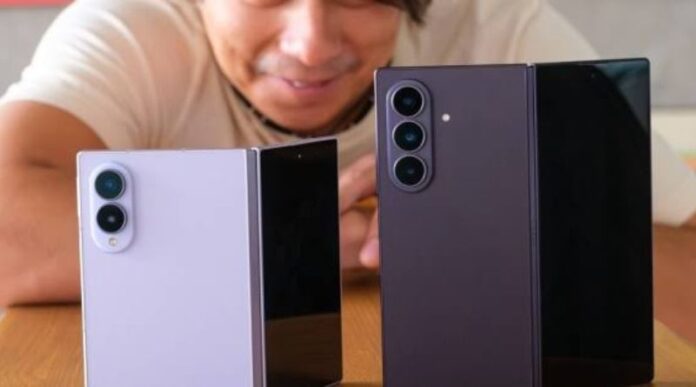
One of the main reasons behind this expected growth is the rising popularity of wide foldable smartphones. Unlike traditional foldable phones, which often use a tall and narrow outer screen, wide foldables aim to provide a more useful screen shape when opened. Their wider displays can offer a better experience for watching videos, reading documents, browsing websites, playing games, and using multiple apps at the same time.
Foldable phones have already changed the way people think about smartphone design. These devices combine the portability of a regular mobile phone with the larger screen experience of a tablet. As technology improves and more brands enter this market, foldable devices may become more attractive to a wider range of users.
However, the expected 44% growth in 2026 will depend on several factors, including new product launches, consumer demand, pricing, display quality, and improvements in the folding mechanism.
Foldable Display Shipments Expected to Rise in 2026
The foldable display industry is preparing for another important year. A forecast of 44% growth in shipments during 2026 points towards increasing demand for flexible display technology.
Foldable displays are different from the traditional screens used in most smartphones. They are designed to bend and fold without breaking during normal use. This technology allows manufacturers to create devices that can change their shape depending on how the user wants to use them.
When folded, a foldable smartphone can be carried like a regular mobile phone. When opened, it offers a larger display that provides more space for apps, videos, games, and other activities.
The expected growth suggests that manufacturers are finding new ways to make this technology more useful. Earlier foldable phones mainly attracted technology fans and people who wanted something different. Now, companies are trying to make these devices practical for everyday users as well.
Better screen quality, improved designs, and more useful software features could help bring more customers into the foldable smartphone market.
It is important to understand that display shipments and complete smartphone shipments are not the same thing. Display shipments refer to the screens supplied for use in devices. Therefore, a 44% rise in foldable display shipments does not automatically mean that total foldable phone sales will increase by exactly the same percentage.
Even so, strong growth in display shipments would indicate that manufacturers expect greater demand for foldable screen technology.
Why Wide Foldable Phones Are Becoming Popular
Wide foldable smartphones are expected to play an important role in the market’s growth during 2026.
The basic idea behind a wide foldable phone is simple. Instead of opening into a tall, narrow shape, the device provides a wider screen that can be more comfortable for different tasks.
Screen shape can have a major effect on the way people use their phones. A wider display may provide a better viewing area for videos, make documents easier to read, and allow apps to show more information without requiring users to scroll as often.
For example, someone who regularly watches films on a smartphone may prefer a wider screen because it can provide a more natural viewing experience. People who read news articles, review office documents, or use online learning platforms may also find the larger display helpful.
Wide foldables can also be useful for multitasking. Users may be able to keep two apps open side by side, making it easier to reply to messages while checking information on a website or reading a document while taking notes.
These features could make wide foldable devices appealing to students, office workers, content creators, and people who use their smartphones for more than calls and social media.
However, the final experience depends on the device’s screen size, software support, aspect ratio, and app design. A wider display alone cannot guarantee that every app will work better.
A Better Experience for Watching Videos
Video streaming has become an important part of smartphone use. People watch movies, dramas, YouTube videos, sports highlights, and short clips throughout the day.
A foldable phone with a wide inner display could offer a more enjoyable experience for this type of entertainment. Its larger screen can make videos easier to watch, particularly when users want a device that remains portable.
Traditional smartphones are convenient, but their smaller screens can feel limited when watching longer videos or viewing detailed content. A wide foldable device offers an alternative by giving users more screen space without requiring them to carry a separate tablet.
The same benefit can apply to video calls. A larger display may make it easier to see other people and view shared content during online meetings.
For people who frequently attend virtual classes or business meetings, this additional screen space could be useful.
Still, the actual video experience will depend on the display’s brightness, colour quality, refresh rate, and the way video content fits the screen. Some films may continue to show black bars because of their original shape.
Wide Foldables Could Improve Productivity
Foldable smartphones are not only designed for entertainment. They can also be useful tools for work and study.
A wide inner screen provides more room for reading, writing, and managing information. This can be helpful for users who prefer to complete basic tasks on their phones instead of carrying a laptop everywhere.
For instance, a business user may open an email on one side of the display and a document on the other. A student may read an online lesson while writing notes. Someone managing social media accounts may be able to move between a content calendar, a messaging app, and an editing tool more easily.
These tasks are already possible on some conventional smartphones, but a larger foldable display can make the layout more comfortable.
Software will be an important part of this experience. Manufacturers need to ensure that their devices support split-screen features, flexible app layouts, and smooth movement between folded and unfolded modes.
If software improvements keep pace with hardware development, wide foldables could become more useful for people who rely on their phones for daily work.
Smartphone Brands Are Improving Foldable Technology
Competition among smartphone manufacturers is another factor that could support the foldable display market.
Major brands have been investing in foldable devices for several years. Each new generation provides an opportunity to improve screen quality, hinge design, durability, battery performance, and overall usability.
Early foldable smartphones faced several challenges. Some devices were thick when folded, while others had noticeable creases where the display bent. High prices also made them difficult for many customers to afford.
Manufacturers have been working to address these concerns through better materials, improved folding mechanisms, and more carefully designed bodies.
A thinner device can be easier to carry in a pocket. A more reliable hinge can make opening and closing the phone feel smoother. Improvements to the inner screen can also help reduce concerns about everyday use.
However, durability remains an important issue. A foldable display has different requirements from a standard smartphone screen because it must support repeated folding. Buyers may also need to take more care when cleaning and handling certain flexible displays.
As companies continue to improve these areas, customers may become more confident about choosing foldable devices.
The Role of Display Manufacturers
The expected increase in foldable display shipments could create new opportunities for companies that produce flexible screens.
Display manufacturers must develop panels that are thin, flexible, bright, and reliable. They also need to supply screens in different sizes and shapes to meet the needs of smartphone brands.
Wide foldable devices may require display designs that differ from those used in earlier foldable phones. This creates opportunities for manufacturers to improve production methods and develop panels that better support new phone designs.
At the same time, producing flexible displays on a large scale can be challenging. Companies must maintain quality while controlling production costs. Even small defects can affect a display’s performance, so careful testing is essential.
If demand rises as expected, manufacturers may increase production capacity and invest in improved display technology. Greater production volumes could eventually help lower costs, although this is not guaranteed.
The final price of a foldable phone also depends on other components, including its processor, cameras, battery, memory, hinge, and frame.
Therefore, growth in display shipments may benefit the wider smartphone supply chain, but the financial results will vary between companies.
What About Prices of Foldable Smartphones?
Price remains one of the biggest challenges for foldable smartphones.
Most foldable devices use more complex designs than regular smartphones. They need flexible screens, folding mechanisms, and carefully arranged internal components. These requirements can increase manufacturing costs.
For many buyers, the price difference between a foldable phone and a conventional flagship smartphone is still an important consideration.
If manufacturers can reduce production costs, they may be able to introduce more affordable models. This could help attract customers who are interested in foldable technology but do not want to spend a large amount of money.
Competition could also encourage brands to offer better features at different price levels.
However, a rise in shipments does not automatically mean that prices will fall. Demand, component costs, product positioning, and the number of available models will all influence pricing.
In Pakistan, the final cost of a foldable smartphone can also depend on import expenses, taxes, currency changes, and local retailer pricing. This means that international market growth may not immediately make these devices affordable for local buyers.
Customers should compare the full specifications, warranty coverage, repair options, and expected software support before purchasing a foldable phone.
Foldable Phones and the Pakistan Market
The expected growth of foldable displays could be relevant to smartphone buyers in Pakistan, particularly those who follow new mobile technology.
Pakistani consumers use smartphones for online shopping, digital payments, social media, video streaming, education, and business. A foldable phone with a larger inner display could support many of these activities.
Students may benefit from the extra space when reading study material. Professionals may find it easier to review documents and manage emails. Content creators could also enjoy a larger screen for editing and reviewing their work.
However, affordability will remain a major factor in Pakistan. Many consumers look for smartphones that provide good performance, battery life, camera quality, and storage at a reasonable price.
Foldable phones will need to offer clear benefits to convince these buyers to move away from conventional devices.
Repair costs are another consideration. Flexible displays and folding mechanisms may be more expensive to repair than standard smartphone components. Buyers should check whether authorised service centres and replacement parts are available before making a purchase.
As more foldable models become available, customers may have a wider range of choices. Whether this leads to stronger demand in Pakistan will depend on pricing, availability, durability, and the features offered by individual brands.
Challenges That Could Affect Market Growth
Although the outlook for foldable displays appears positive, several challenges could affect the expected growth in 2026.
The first is price. If foldable devices remain too expensive, many consumers may continue choosing traditional smartphones.
The second challenge is durability. Some buyers may worry about the folding mechanism, screen crease, dust protection, or the cost of repairing a damaged display.
Battery life is another important factor. Larger displays can require more power, particularly when users watch videos, play games, or run several apps at once. Manufacturers must balance screen size with battery capacity and power efficiency.
Device thickness and weight also matter. A foldable phone should be comfortable to hold and easy to carry. If a device becomes too bulky when folded, some users may prefer a regular smartphone.
Finally, software support can affect the overall experience. Apps need to work properly when the phone changes from a compact shape to a larger display. Poorly optimised apps can reduce the benefits of foldable technology.
Manufacturers that address these concerns will have a better chance of attracting customers and building long-term interest in the category.
What the Expected Growth Means for the Future
A forecast of 44% growth in foldable display shipments during 2026 points to a potentially important stage in the development of flexible screen technology.
The increasing interest in wide foldables suggests that manufacturers are exploring new ways to make these devices useful beyond their unusual design.
Future models may offer improved screen shapes, slimmer bodies, stronger hinges, better cameras, longer battery life, and more advanced multitasking features. Software updates could also make large foldable displays easier to use for work, education, and entertainment.
However, the market’s future will depend on how well manufacturers balance innovation with practical needs. Customers generally want devices that are reliable, easy to use, and worth their price.
Foldable smartphones will need to deliver these benefits consistently if they are to move beyond a specialised market and become a more common choice.
Conclusion
The foldable display market is expected to grow by 44% in 2026, with wide foldable smartphones emerging as an important part of this trend. These devices combine the portability of a smartphone with the larger viewing area of a tablet, offering potential benefits for entertainment, productivity, education, and multitasking.
Improvements in flexible screens, hinge designs, software, and overall device quality could make foldable phones more attractive to consumers. At the same time, manufacturers will need to address concerns about pricing, durability, battery life, and repair costs.
For buyers in Pakistan and other markets, the most important question will be whether these devices provide enough practical value to justify their higher cost.
The projected growth is encouraging for the foldable display industry, but the actual results will depend on consumer demand and the products manufacturers bring to market. If companies continue improving their designs and making foldable devices more practical, 2026 could become an important year for this growing smartphone category.
Frequently Asked Questions (FAQs)
1. How much are foldable display shipments expected to grow in 2026?
Foldable display shipments are forecast to increase by 44% in 2026. This suggests that manufacturers expect greater demand for flexible screens used in foldable devices.
2. What is a wide foldable smartphone?
A wide foldable smartphone is a device that opens to reveal a larger display with a wider shape. This design can provide more space for watching videos, reading, browsing, and using multiple apps.
3. Why are wide foldable phones gaining popularity?
Wide foldables may offer a more comfortable screen layout for entertainment, document viewing, video calls, and multitasking. Their larger displays can make certain tasks easier than they are on regular smartphones.
4. Will foldable smartphones become cheaper in 2026?
Prices may become more competitive if production improves and more brands enter the market. However, lower prices are not guaranteed because manufacturing costs, demand, and other factors also affect pricing.
5. Are foldable phones suitable for everyday use?
Yes, many foldable phones are designed for everyday activities such as calling, messaging, browsing, streaming, and work. Buyers should still consider durability, battery life, repair costs, and warranty support.
6. Will the growth in foldable displays affect Pakistan?
The growth could bring more foldable models and new technology to the global market. Availability and prices in Pakistan will depend on local demand, import costs, taxes, and the models officially sold in the country.
7. Does 44% growth in display shipments mean foldable phone sales will also grow by 44%?
No. Display shipments measure the number of display panels supplied, while smartphone shipments measure complete devices. The two figures are related, but they do not necessarily increase at the same rate.
Read Also:check