
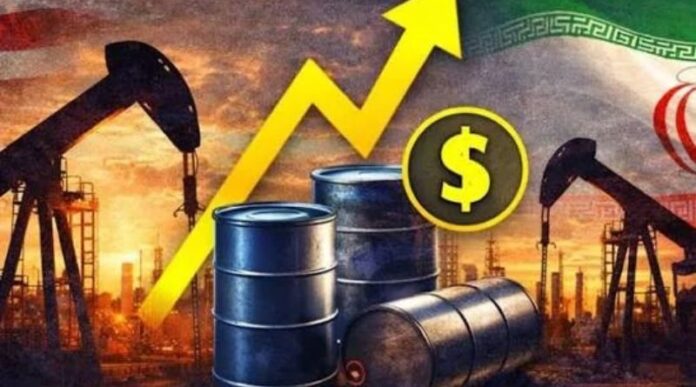

Global oil prices have climbed to $116.72 per barrel as growing concerns about oil supplies from the Middle East put pressure on energy markets. The latest rise shows how fears of supply shortages can push oil prices higher, even when other parts of the global financial market are facing losses.
The Middle East plays an important role in the world’s energy supply. Any conflict, political tension, or disruption to major shipping routes in the region can affect the movement of crude oil to countries around the world. As a result, traders closely watch developments in the region to understand whether oil supplies could face further problems.
The latest increase in oil prices highlights the strong link between global energy supplies and political events. While stock markets and other financial assets may face pressure for different reasons, oil prices can move in the opposite direction when investors fear that supplies will become limited.
For oil-importing countries, including Pakistan, a sharp increase in international crude oil prices can create additional economic challenges. Higher oil prices may increase the cost of fuel, transport, electricity production, and several other goods and services.
Why Have Oil Prices Reached $116.72?
The main reason behind the latest increase is concern about possible supply disruptions in the Middle East. The region is home to several major oil-producing countries and important routes used to transport crude oil to international markets.
When tensions rise, traders begin to consider the possibility that oil production or shipments could be affected. Even before an actual shortage takes place, these concerns can increase demand for available supplies and push prices upward.
Oil prices are influenced by both current supply and expectations about future conditions. If buyers believe that less oil may be available in the coming days or weeks, they may try to secure supplies earlier. This can increase buying activity and add further pressure to prices.
The rise to $116.72 per barrel reflects the importance of these supply concerns. However, the exact market impact depends on the type of crude oil being traded, the timing of the price report, and whether the figure represents a particular contract or benchmark.
Investors will continue to monitor developments in the Middle East to see whether the increase is temporary or the start of a longer period of higher energy prices.
Middle East Tensions Put Oil Supplies at Risk
The Middle East is one of the most important regions for the international oil industry. Countries in the region supply crude oil to major economies across Asia, Europe, and other parts of the world.
Oil exports depend not only on production but also on safe transport. Crude oil must travel through pipelines, ports, and shipping routes before reaching refineries and buyers. Problems affecting any of these parts of the supply chain can create uncertainty in the market.
One major concern is the possibility of disruption to important sea routes. A large amount of the world’s oil trade passes through narrow waterways that connect oil-producing areas with international buyers. If shipping becomes difficult or unsafe, the cost and time needed to transport oil may increase.
In such a situation, countries that rely heavily on imported energy may face higher costs. Buyers may also look for supplies from other producers, increasing competition for available oil.
Market participants therefore pay close attention to political developments, military activity, shipping conditions, and statements from major oil-producing countries.
If tensions continue or supply problems become more serious, oil prices could remain under pressure. On the other hand, any improvement in regional conditions may reduce fears and help prices settle.
Oil Rises Even as Other Markets Face Losses
One important part of the latest market movement is that oil prices have increased while broader financial markets have experienced losses.
Normally, oil prices are influenced by economic growth, industrial activity, consumer demand, and the strength of major currencies. When financial markets weaken because investors expect slower economic growth, oil demand may also come under pressure.
However, geopolitical risks can change this pattern.
When investors fear that oil supplies may be disrupted, the risk of a shortage can become more important than concerns about weaker demand. This can push crude oil prices higher even when other assets are losing value.
For example, a slowdown in global business activity could reduce the amount of oil needed by factories, airlines, and transport companies. At the same time, a serious supply disruption could limit the amount of oil available to buyers.
The final price depends on which factor has the greater effect on the market.
The latest rise suggests that concerns about Middle East supplies are playing a major role in oil trading. Nevertheless, broader economic conditions remain important and could influence prices if the supply situation changes.
What Higher Oil Prices Mean for the Global Economy
Oil is a basic part of the modern economy. It is used to produce petrol, diesel, jet fuel, and other energy products. It is also an important input for industries that manufacture plastics, chemicals, and several everyday products.
When crude oil becomes more expensive, refineries may face higher costs. These costs can eventually affect the prices paid by businesses and consumers, depending on local taxes, government policies, exchange rates, and other market conditions.
Transport is one of the sectors that can feel the impact quickly. Airlines need jet fuel, shipping companies depend on marine fuels, and road transport businesses use petrol and diesel. Higher fuel costs can increase the expense of moving people and goods.
Manufacturers may also face higher production and delivery costs. If businesses pass these additional expenses on to customers, prices of some goods may rise.
This can create fresh inflation concerns for governments and central banks. If energy prices remain high for an extended period, they may make it harder for policymakers to bring inflation under control.
Countries that produce large amounts of oil may benefit from higher export earnings. However, countries that depend on imported oil may experience greater pressure on their budgets and foreign currency reserves.
The overall impact will depend on how long oil prices stay elevated and how individual economies respond.
Impact of Rising Oil Prices on Pakistan
Pakistan imports a large share of the oil and petroleum products it needs. This makes the country sensitive to changes in international energy prices.
When crude oil prices increase, Pakistan may have to spend more foreign currency to purchase energy supplies, depending on import volumes, product prices, and exchange-rate movements.
Higher import costs can put pressure on the country’s external account. If more money is required to pay for fuel, fewer foreign currency resources may be available for other needs.
The impact can also reach ordinary consumers through domestic fuel prices. Petrol and diesel prices in Pakistan are influenced by international product prices, exchange rates, government taxes, petroleum levies, and other charges.
A rise in global oil prices does not automatically mean that local petrol prices will increase by the same amount. The final adjustment depends on the government’s pricing formula and the conditions used in each review.
However, if international prices remain high, Pakistan could face greater pressure during future fuel price decisions.
Transport and Daily Expenses
Petrol and diesel are important for public transport, private vehicles, trucks, buses, and agricultural machinery. When fuel costs increase, transport operators may face higher operating expenses.
Some operators may respond by raising fares or delivery charges. This can affect students, office workers, traders, and families who depend on public or private transport.
Higher transport costs may also affect food prices because agricultural products and other goods must be moved from farms and factories to markets.
The impact is not always immediate, but prolonged increases in energy costs can gradually spread across different parts of the economy.
Electricity and Business Costs
Oil prices can also influence electricity and industrial costs, although the effect depends on the energy sources used in Pakistan’s power system.
Businesses that rely on generators during power outages may face higher expenses if diesel prices rise. Factories, shops, and other commercial operations could also experience increased delivery and operating costs.
Small businesses may find it difficult to absorb these additional expenses, particularly when customers are already dealing with higher living costs.
For households, the wider effect could include pressure on food, transport, and other essential expenses.
Could Oil Prices Rise Further?
Whether oil prices increase beyond $116.72 per barrel will depend on several factors.
The first is the security situation in the Middle East. If tensions increase and oil production or transportation is affected, traders may expect tighter supplies. This could support further price increases.
The second factor is the actual availability of crude oil. If major producers maintain production and shipments continue without serious disruption, some supply concerns may ease.
Third, global demand will remain important. Strong demand from large economies can support higher prices, while weaker industrial activity or slower economic growth may limit further gains.
The response of major oil-producing countries could also influence the market. Changes in production levels, export plans, and supply commitments may affect the amount of oil available internationally.
Finally, traders will watch government decisions, shipping costs, insurance expenses, and the availability of alternative supply routes.
It is important to remember that oil prices can change quickly. A price increase linked to immediate fears may reverse if the situation improves. In contrast, a prolonged disruption could keep prices high for a longer period.
Therefore, the current price should not be treated as a guarantee that oil will continue rising.
What Should Consumers and Businesses Watch?
Consumers and businesses should pay attention to international oil prices as well as local fuel price announcements.
In Pakistan, the most useful indicators include government petroleum price reviews, changes in the rupee-dollar exchange rate, international petrol and diesel prices, and developments affecting regional oil supplies.
Businesses that use large amounts of fuel may need to review their transport and operating budgets if high prices continue. Households can also manage expenses by planning necessary travel, avoiding unnecessary fuel use, and maintaining vehicles properly.
However, consumers should avoid making decisions based only on short-term price movements. International oil prices can rise or fall rapidly as new information becomes available.
For policymakers, the challenge is to balance fuel affordability with government revenue needs and the cost of importing energy. Any long-lasting increase in global oil prices could make this task more difficult.
Conclusion
Oil prices have surged to $116.72 per barrel as concerns about possible supply disruptions in the Middle East overshadow losses across broader financial markets.
The increase highlights how political and security risks can influence energy prices, sometimes more strongly than wider economic conditions. Since the Middle East is a major source of global oil supplies, any threat to production or shipping can create uncertainty among traders and buyers.
For Pakistan, continued increases in international oil prices could put pressure on the import bill, domestic fuel prices, transport expenses, and the cost of everyday goods.
The next direction of the market will depend on developments in the Middle East, the availability of crude oil, global demand, and decisions by major producers.
Until the supply outlook becomes clearer, oil prices are likely to remain sensitive to new developments. Consumers, businesses, and governments will be watching closely to see whether the latest increase continues or whether prices begin to settle.
Frequently Asked Questions (FAQs)
1. Why have oil prices surged to $116.72 per barrel?
Oil prices have increased because of concerns that tensions in the Middle East could disrupt crude oil production or shipments. These concerns can push prices higher even before a shortage actually occurs.
2. Why is the Middle East important for global oil supplies?
The region contains several major oil-producing countries and important shipping routes. Disruptions in these areas can affect the movement of crude oil to international markets.
3. Can oil prices increase while stock markets fall?
Yes. Oil prices can rise when traders fear supply shortages, even if stock markets and other financial assets are losing value.
4. Will higher international oil prices increase petrol prices in Pakistan?
They may put upward pressure on local petrol prices. However, the final price depends on international fuel rates, the exchange rate, government taxes, levies, and other pricing factors.
5. How do higher oil prices affect Pakistan’s economy?
Higher oil prices can increase the country’s energy import bill, put pressure on foreign currency reserves, and raise transport and business costs.
6. Why do higher oil prices affect food prices?
Higher fuel costs can increase the expense of transporting food from farms to markets. Businesses may pass some of these additional costs on to consumers.
7. Can oil prices fall after reaching $116.72?
Yes. Prices can fall if supply concerns ease, shipping routes remain secure, production improves, or global demand weakens.
8. What factors could push oil prices higher?
Further regional tensions, supply disruptions, shipping problems, stronger global demand, and lower-than-expected oil production could support higher prices.
9. How do higher oil prices affect businesses?
Businesses may face higher transport, delivery, manufacturing, and generator fuel expenses. These costs can reduce profits or lead to higher prices for customers.
10. What should Pakistan watch as oil prices rise?
Pakistan should monitor international crude oil prices, regional supply conditions, the rupee-dollar exchange rate, and official domestic petroleum price announcements.
Read Also: check