
Mobile phones have become an essential part of daily life in Pakistan. From making calls and sending messages to using the internet, online banking, ride-hailing apps, and social media, everything depends on mobile network coverage. Whether you live in a big city like Karachi or Lahore, or in a small town or village, your mobile phone only works properly if network coverage is strong and reliable.
Many people focus only on mobile price in Pakistan when buying a phone, but network coverage is equally important. A very expensive phone is useless if the network signals are weak in your area. This article explains in detail what mobile network coverage is, how it works in Pakistan, and how it affects mobile phone usage, internet speed, and even mobile prices.
Understanding Mobile Network Coverage
Mobile network coverage means the area where a mobile network operator provides signal so users can make calls, send SMS, and use mobile internet. If you see signal bars on your phone, it means you are within a coverage area. If there is no signal or only one bar, coverage is weak.
In Pakistan, coverage depends on several factors, including network towers, distance from towers, population density, terrain, and the technology used by the mobile operator. Urban areas usually have better coverage compared to rural areas because more towers are installed where more people live and work.
How Mobile Networks Actually Work
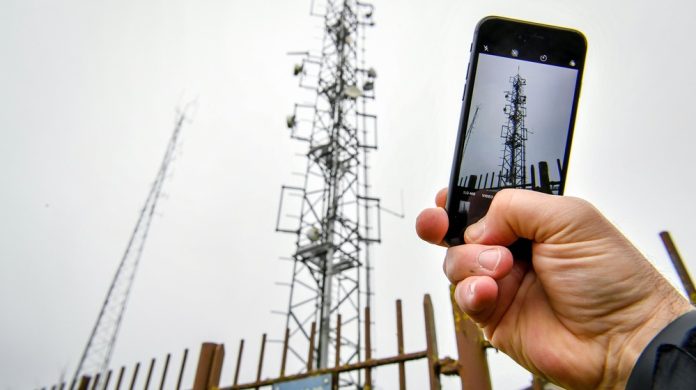
Mobile networks work through a system of base stations, commonly called cell towers. These towers are placed across cities, towns, highways, and rural areas. Each tower covers a specific area called a cell. When you move from one area to another, your mobile phone automatically connects to the nearest tower.
When you make a call or use mobile data, your phone sends signals to the nearest tower. That tower then connects your call or data request to the mobile operator’s core network. From there, the call goes to another mobile phone or the internet.
This entire process happens in seconds, and users usually do not notice it unless the signal is weak or the network is overloaded.
Types of Mobile Network Technologies in Pakistan
Pakistan uses multiple generations of mobile network technologies. Each generation offers different speed, quality, and coverage.
2G network is the oldest and is mainly used for calls and SMS. It works even in areas where signals are weak. Many basic phones still rely on 2G, which is why cheaper mobile price in Pakistan often includes phones that support only 2G.
3G network introduced mobile internet at reasonable speeds. Although 3G is being phased out in some areas, it is still available in many parts of Pakistan.
4G LTE is currently the most widely used network for mobile internet in Pakistan. It offers faster speeds, better call quality, and smoother online experience. Most smartphones available today, regardless of mobile price in Pakistan, support 4G.
5G is not commercially launched in Pakistan yet, but trials are ongoing. Once launched, it will offer extremely fast internet and better support for advanced technologies.
Major Mobile Network Operators in Pakistan
There are four major mobile network operators in Pakistan.
Jazz has the largest network coverage in the country. It covers most urban and rural areas and is known for relatively stable signals.
Zong is popular for its strong 4G services and good internet speeds, especially in major cities.
Telenor focuses on rural and remote areas and is often preferred in villages and small towns where other networks are weak.
Ufone offers competitive packages and decent coverage in cities but may be weaker in some rural areas.
Each network has strengths and weaknesses, so choosing the right one depends on your location and usage needs.
Why Mobile Network Coverage Matters So Much
Mobile network coverage directly affects call quality, internet speed, and overall mobile experience. Poor coverage means dropped calls, slow internet, and frustration. Even if you buy a phone with the latest features, its performance depends heavily on the network.
Many people compare mobile price in Pakistan while buying a phone but forget to check if their preferred network works well in their area. This leads to disappointment, especially when using mobile data for work or online learning.
Coverage Differences Between Urban and Rural Areas
Urban areas like Karachi, Lahore, Islamabad, and Faisalabad have dense network coverage because of high population and business demand. Multiple towers ensure better signal strength and faster internet.
Rural areas face challenges due to fewer towers, long distances, and difficult terrain. Mountains, forests, and deserts can weaken signals. That is why people in rural areas often prefer networks like Telenor or Jazz, which invest more in remote coverage.
Mobile price in Pakistan is also influenced by this factor. Phones with strong antennas and better signal reception are more popular in areas with weak coverage.
How Terrain and Environment Affect Signals
Pakistan has diverse geography, including mountains, plains, deserts, and coastal areas. Mountains and hills can block signals, while tall buildings in cities can cause signal interference.
Weather conditions like heavy rain can also affect network performance, especially in underdeveloped areas. This is why coverage quality can change even within the same city.
Role of SIM Cards and Network Bands
SIM cards connect your phone to a specific network. Each network operates on certain frequency bands. Some phones support more bands than others, which affects compatibility.
Lower-priced phones sometimes support fewer network bands. This is an important point when considering mobile price in Pakistan because a cheaper phone may not deliver good performance on all networks.
Phones that support multiple bands usually perform better and maintain stable signals across different areas.
Mobile Internet Coverage and Speed in Pakistan
Mobile internet coverage depends on network technology and tower capacity. In crowded areas, too many users on one tower can slow down internet speeds.
4G coverage has improved significantly in Pakistan over the last few years. Most cities now have decent 4G access, allowing users to stream videos, attend online classes, and use apps smoothly.
Internet speed also depends on the phone’s hardware. Expensive phones usually have better modems, but many mid-range phones now offer good performance considering mobile price in Pakistan.
Impact of Mobile Network Coverage on Mobile Prices
Mobile price in Pakistan is indirectly linked to network coverage. Phones designed for strong signal reception, better antennas, and advanced network support usually cost more.
However, competition among brands has improved quality at lower prices. Today, even budget phones support 4G and offer acceptable performance.
People in areas with weak coverage often prefer phones known for strong signals rather than fancy features. This demand influences market pricing and popularity of certain models.
Government Role and PTA Regulations
The Pakistan Telecommunication Authority regulates mobile networks and spectrum allocation. It ensures fair competition and service quality.
PTA also monitors coverage complaints and works with operators to improve services. Spectrum auctions decide which network gets access to certain frequency bands, directly affecting coverage quality.
Future of Mobile Network Coverage in Pakistan
Mobile network coverage in Pakistan is expected to improve further. Expansion of 4G, introduction of 5G, and investment in rural infrastructure will enhance connectivity.
As coverage improves, mobile usage will increase, and mobile price in Pakistan may become more competitive due to higher demand and better technology availability.
Smartphones will become more affordable, and even remote areas will benefit from better digital access.
Tips for Choosing a Mobile Phone Based on Coverage
Before buying a phone, check which network works best in your area. Ask local users about signal strength and internet speed.
Do not focus only on mobile price in Pakistan. Consider network compatibility, supported bands, and antenna quality.
Mid-range phones often offer the best balance between price and performance for Pakistani users.
Final Thoughts
Mobile network coverage is the backbone of communication in Pakistan. It determines how well your phone performs, how fast your internet works, and how reliable your calls are.
Understanding how mobile networks work helps you make smarter decisions, whether choosing a SIM, a network, or a phone. While mobile price in Pakistan is an important factor, network coverage should never be ignored.
A good phone combined with strong network coverage ensures smooth communication, better productivity, and a stress-free digital experience in daily life.
Also Read: