
Ramadan in Pakistan has long been a month defined by devotion, reflection, and togetherness. For generations, the rhythm of the holy month revolved around mosque visits, family iftars, neighbourhood gatherings, and televised Ramadan transmissions that played for hours in living rooms. Religious books were opened after prayers, and spiritual learning required dedicated time and physical presence. The essence of the month was deeply rooted in community and continuity.
Yet lifestyles have evolved. In a fast-paced world where work, study, and commuting shape daily routines, not everyone can carry religious texts everywhere or sit for extended hours in front of a television screen. Accessibility has quietly become essential. This is where platforms like TikTok have emerged as unexpected companions in spiritual engagement. Rather than replacing traditional practices, they are complementing them in ways that align with modern life.
During Ramadan, many young Pakistanis turn to TikTok not simply for entertainment, but for meaningful content that fits into small pockets of time. Short videos featuring Naat recitations, Quranic verses, tafseer explanations, and motivational Islamic reminders allow users to stay spiritually connected wherever they are — whether waiting for Sehri, traveling to work, or taking a brief pause between tasks. Accounts such as Naat Status, Farhan Qadri Attari, and Nouman Ali Khan make religious teachings more visually engaging and accessible for a digitally native generation. Instead of long lectures, viewers can absorb concise, impactful messages that fit seamlessly into their schedules.
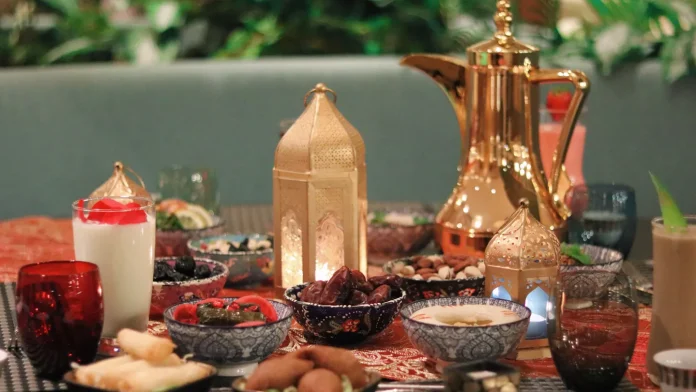
Beyond individual learning, TikTok fosters a sense of virtual community during the holy month. Users document Sehri preparations, Iftar spreads, charity drives, and personal reflections, creating a shared digital space that mirrors the communal spirit traditionally experienced in neighbourhoods and mosques. Youth-led groups such as Youth Club use the platform to guide discussions on faith, encourage social responsibility, and promote volunteer initiatives. In doing so, they create safe, relatable environments where young people can explore religious questions openly.
The platform’s short-form structure aligns naturally with contemporary attention spans and busy lifestyles. Spiritual reminders no longer require a fixed time slot; they are available on demand. Importantly, this shift does not signal a decline in traditional practices. Mosques remain central, family gatherings continue, and religious books are still valued. What has changed is the mode of access. Faith can now travel with the individual, accessible with a tap, integrated into everyday routines.
Ultimately, the spirit of Ramadan remains constant: reflection, discipline, generosity, and unity. What is evolving is the medium through which these values are reinforced. In today’s digital age, spirituality and technology are no longer separate spheres. Instead, they intersect, allowing a new generation to experience Ramadan in ways that are both rooted in tradition and responsive to modern realities.