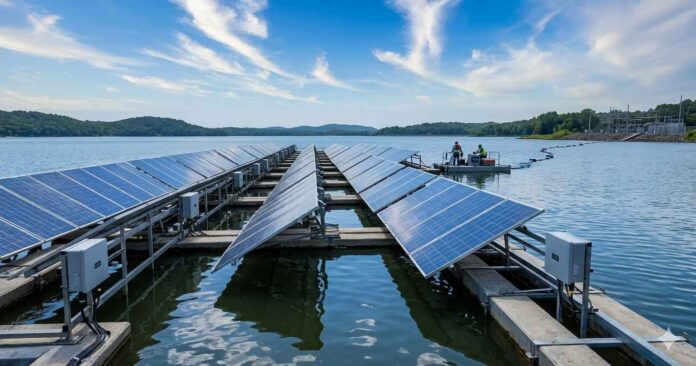

Government Plans Massive 500MW Floating Solar Power Project
Pakistan is moving toward a major renewable energy breakthrough with plans for a massive 500-megawatt floating solar power project aimed at strengthening the country’s clean energy capacity and reducing dependence on imported fossil fuels. The ambitious initiative is expected to become one of the largest floating solar projects in the region and marks a significant step toward energy diversification and environmental sustainability.
The project is planned at Keenjhar Lake in Sindh and is expected to generate hundreds of gigawatt-hours of electricity annually. Authorities believe the initiative will not only support Pakistan’s growing energy needs but also contribute to long-term climate goals and emission reduction targets.
As the country continues facing rising fuel import bills, electricity shortages, and energy security concerns, renewable energy projects such as floating solar systems are increasingly being viewed as critical solutions for achieving a stable and sustainable power sector.
Pakistan Accelerates Shift Toward Renewable Energy
Pakistan has been gradually increasing its focus on renewable energy as global energy markets continue to experience volatility and fossil fuel prices remain unpredictable. The government has repeatedly emphasized the need to reduce reliance on imported oil, coal, and liquefied natural gas in order to lower electricity generation costs and improve economic stability.
Renewable energy sources such as solar, wind, hydropower, and biomass are now playing a more important role in national energy planning. Among these technologies, solar energy has emerged as one of the fastest-growing sectors due to Pakistan’s favorable climate conditions and high solar radiation levels.
The planned floating solar project represents a major advancement in the country’s renewable energy strategy. Unlike conventional solar farms that require vast areas of land, floating solar systems utilize water surfaces for panel installation, offering both environmental and economic advantages.
Officials believe the project could become a landmark development for Pakistan’s clean energy transition and help attract further investment into the renewable energy sector.
What Is a Floating Solar Power Project?
Floating solar technology involves installing solar photovoltaic panels on floating structures placed over lakes, reservoirs, dams, or other water bodies. These systems generate electricity in the same way as traditional solar farms but use water surfaces instead of land.
The technology has gained popularity globally because it helps overcome land acquisition challenges while improving energy efficiency. Water beneath the solar panels naturally cools the equipment, which can improve operational performance and reduce overheating during hot weather conditions.
Floating solar systems also help reduce water evaporation from reservoirs and lakes, making them particularly beneficial for water-stressed regions.
The upcoming 500MW project at Keenjhar Lake is expected to utilize advanced floating structures designed to withstand changing water conditions and weather patterns.
Experts believe floating solar systems could play a major role in Pakistan’s future energy landscape because the country possesses several reservoirs, lakes, and water bodies suitable for such projects.
Project Expected to Generate Significant Electricity
According to project estimates, the floating solar facility is expected to produce approximately 861.91 gigawatt-hours of electricity annually. This large-scale generation capacity could help meet growing electricity demand in urban and industrial areas while reducing pressure on conventional power plants.
The project’s estimated capacity factor of 19.6 percent indicates the expected efficiency level of electricity production throughout the year. Authorities believe the plant will provide a reliable source of renewable power capable of supporting long-term energy needs.
The electricity generated through the project is expected to be supplied to K-Electric under a long-term power purchase agreement, ensuring stable energy distribution for consumers and industrial users.
The availability of additional renewable electricity may also help improve energy reliability and reduce dependency on expensive imported fuels used in thermal power generation.
Reducing Dependence on Imported Fuels
Pakistan’s energy sector has long struggled with the financial burden of imported fossil fuels. Rising global oil and gas prices often place significant pressure on foreign exchange reserves and increase electricity generation costs.
By expanding renewable energy infrastructure, the country aims to reduce exposure to international fuel price fluctuations and strengthen domestic energy security.
The planned floating solar project is expected to contribute toward these goals by generating clean electricity without relying on imported fuel resources. Solar energy projects require no fuel imports once operational, making them more economically sustainable over the long term.
Reducing fuel imports could also help stabilize electricity tariffs and lessen the financial burden on consumers and industries.
Energy experts argue that accelerating renewable energy adoption is essential for improving Pakistan’s economic resilience and reducing the risks associated with global energy market instability.
Project Cost and Development Model
The floating solar project is estimated to cost approximately $243.63 million. Authorities plan to develop the project through the Engineering, Procurement, and Construction model using a competitive bidding process.
This approach allows specialized contractors to design, build, and deliver the project according to technical specifications and operational requirements.
Officials have already secured a letter of intent from K-Electric, signaling progress toward implementation and future electricity purchase arrangements.
The bidding process for Engineering, Procurement, and Construction contractors is currently underway, with authorities evaluating proposals and technical capabilities.
Competitive bidding is expected to ensure transparency, cost efficiency, and high-quality execution during project development.
Advantages of Floating Solar Systems
Floating solar projects offer several important advantages compared to traditional land-based solar farms.
One of the biggest benefits is the elimination of land acquisition challenges. Large-scale solar farms often require vast areas of land, which can create legal, environmental, and social complications.
By utilizing water surfaces, floating solar systems reduce pressure on agricultural land and urban expansion zones.
Another major advantage is improved panel efficiency. Water naturally cools solar panels, helping maintain lower operating temperatures and enhancing electricity generation performance.
Floating systems may also reduce algae growth and water evaporation, providing additional environmental benefits.
In regions facing land scarcity or rising land costs, floating solar technology offers a practical and innovative solution for expanding renewable energy production.
Importance of Keenjhar Lake Location
Keenjhar Lake has been selected as the proposed site for the floating solar project because of its favorable environmental and geographical conditions.
The lake’s large surface area makes it suitable for large-scale floating infrastructure while its location near major urban and industrial centers supports efficient electricity transmission.
Authorities believe the project’s proximity to high-demand industrial and commercial zones will reduce transmission losses and improve energy delivery efficiency.
The site also offers strategic advantages for future renewable energy expansion and infrastructure integration.
By placing the project near key electricity consumption areas, authorities aim to strengthen grid reliability and improve access to renewable power for industries and urban populations.
Supporting Pakistan’s Climate Goals
Pakistan has committed to reducing greenhouse gas emissions and increasing the share of renewable energy in its national energy mix.
Climate change remains a major concern for the country due to rising temperatures, unpredictable weather patterns, floods, droughts, and environmental degradation.
Renewable energy projects are considered essential for achieving long-term climate objectives and reducing carbon emissions from fossil fuel-based power generation.
The planned floating solar project aligns with broader national efforts to meet environmental targets and transition toward cleaner energy sources.
Experts believe increasing renewable energy capacity will not only help reduce emissions but also improve public health by lowering air pollution associated with conventional power plants.
Economic Benefits of Renewable Energy Expansion
Large-scale renewable energy projects can provide significant economic benefits beyond electricity generation.
The development and construction of the floating solar facility are expected to create employment opportunities in engineering, construction, operations, maintenance, logistics, and technical services.
Renewable energy investment can also stimulate local industries involved in manufacturing, electrical equipment, infrastructure development, and project management.
In the long term, cleaner and more affordable electricity may improve industrial productivity and support economic growth.
Energy analysts believe renewable energy expansion could attract foreign investment into Pakistan’s power sector as global investors increasingly prioritize sustainable infrastructure projects.
Challenges Facing Renewable Energy Projects
Despite the positive outlook, renewable energy projects in Pakistan still face several challenges.
Financing remains one of the biggest obstacles, particularly for large-scale infrastructure developments requiring substantial capital investment.
Grid modernization and transmission infrastructure upgrades are also necessary to support increasing renewable energy integration.
Policy consistency, regulatory clarity, and investor confidence remain critical factors for successful project implementation.
Environmental assessments and water management considerations may also play an important role in ensuring sustainable project development at Keenjhar Lake.
Authorities will need to carefully manage ecological impacts while maintaining operational efficiency and protecting local environmental resources.
Global Rise of Floating Solar Technology
Floating solar projects are becoming increasingly popular around the world as countries search for innovative ways to expand renewable energy production.
Several nations in Asia, Europe, and the Middle East have already launched large floating solar facilities on reservoirs, lakes, and dams.
The technology is especially attractive for countries with limited land availability or growing urbanization pressures.
Global interest in floating solar systems continues rising due to their efficiency advantages and environmental benefits.
Pakistan’s planned 500MW project could position the country among emerging markets adopting advanced renewable energy technologies.
Potential Impact on Electricity Sector
The successful implementation of the floating solar project could significantly influence Pakistan’s electricity sector by increasing renewable generation capacity and diversifying energy sources.
A stronger renewable energy portfolio may reduce dependence on expensive thermal generation and improve long-term energy affordability.
The project could also support energy stability during periods of fuel shortages or international price spikes.
As renewable energy costs continue declining globally, large-scale solar projects are becoming increasingly competitive compared to traditional fossil fuel power generation.
Industry experts believe projects like this could accelerate Pakistan’s transition toward a cleaner and more sustainable energy future.
Future of Renewable Energy in Pakistan
The floating solar project reflects growing recognition that renewable energy will play a central role in Pakistan’s future development strategy.
With rising electricity demand, population growth, industrial expansion, and environmental pressures, the country requires long-term energy solutions that are both affordable and sustainable.
Solar power, wind energy, hydropower, and other renewable technologies are expected to become increasingly important in national energy planning.
The success of major renewable initiatives may encourage further investments in advanced energy technologies and strengthen Pakistan’s position within the global clean energy transition.
Conclusion
The government’s plan to develop a massive 500MW floating solar power project represents a major milestone for Pakistan’s renewable energy sector. By utilizing floating solar technology at Keenjhar Lake, authorities aim to generate clean electricity, reduce fuel imports, strengthen energy security, and support long-term environmental goals.
The project has the potential to transform the country’s renewable energy landscape while providing economic, environmental, and technological benefits. With increasing focus on sustainability and energy independence, floating solar systems may become an important part of Pakistan’s future power generation strategy.
As authorities continue the bidding and development process, the project is expected to attract significant attention from investors, energy experts, environmental advocates, and industrial stakeholders looking toward a cleaner and more resilient energy future for Pakistan.
Read More
5G Services for iPhone Users Likely to Launch in Pakistan Next Year