
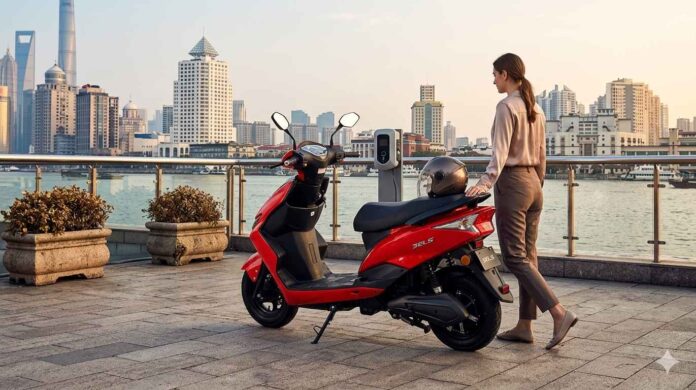

Pakistan is moving toward a more energy-efficient and environmentally sustainable future as the federal government prepares to roll out a large-scale electric bike scheme for its employees. The initiative aims to distribute tens of thousands of electric bikes among eligible government staff, offering a substantial subsidy and easy installment plans to make ownership affordable.
This ambitious program is part of a broader strategy to reduce the country’s dependence on imported fuel, ease financial pressure on employees, and promote the adoption of clean transportation alternatives. With rising international oil prices placing a burden on the economy, the shift toward electric mobility represents a timely and strategic response.
A Major Step Toward Reducing Oil Imports
One of the primary motivations behind the electric bike scheme is to cut down on the country’s oil import bill. Pakistan spends a significant portion of its foreign exchange reserves on importing fuel, which has become increasingly expensive due to global market fluctuations.
By encouraging the use of electric bikes, the government aims to reduce fuel consumption at the individual level. Even a modest reduction in daily fuel usage by thousands of employees can collectively lead to substantial savings for the national economy.
Electric bikes offer a cost-effective alternative to traditional fuel-powered motorcycles, requiring significantly lower operating costs and eliminating the need for petrol or diesel.
Scale of the Electric Bike Distribution Plan
The scheme is designed to benefit a large number of government employees across the country. In the initial rollout, tens of thousands of electric bikes will be distributed among eligible participants, with plans to expand the program further in subsequent phases.
The scale of the initiative reflects the government’s commitment to promoting electric mobility and addressing energy challenges. By targeting government employees, the program also serves as a model that can potentially be extended to the broader population in the future.
The proposal for the scheme has been developed by relevant authorities and is currently in the final stages of approval, indicating that implementation may begin soon.
Financial Support Through Subsidy and Installments
A key feature of the scheme is the financial support provided to participants. Each electric bike will come with a subsidy of Rs. 80,000, significantly reducing the upfront cost for employees.
The subsidy is structured in a way that benefits both the buyer and the financing system. A portion of the amount is allocated as interest support for banks, helping to lower the cost of financing, while the remaining amount is directly transferred to the applicant’s bank account.
This approach ensures that employees can access electric bikes without facing a heavy financial burden, making the transition to electric mobility more accessible.
Easy Installment Plans for Affordability
In addition to the subsidy, the scheme includes an installment-based payment plan that allows employees to spread the cost of the bike over time. This feature is particularly important for individuals who may not have the financial capacity to make a large upfront payment.
By offering flexible payment options, the government is making it easier for employees to adopt electric bikes without compromising their financial stability. The combination of subsidy and installments creates a highly attractive package that is likely to encourage widespread participation.
Eligibility Criteria for Applicants
The scheme is specifically designed for government employees whose salaries are processed through official payroll systems. This ensures transparency and simplifies the verification process.
Applicants will need to provide a verification letter confirming their employment status, which will be used to determine eligibility. The use of official records helps prevent misuse of the scheme and ensures that benefits are distributed fairly.
Importantly, the application process has been designed to be user-friendly, with minimal documentation requirements to encourage participation.
No Requirement for Personal Guarantees
One of the standout features of the scheme is the absence of a requirement for personal guarantees. In many financing arrangements, applicants are required to provide guarantors, which can be a barrier for some individuals.
By removing this requirement, the government has made the scheme more inclusive and accessible. Employees can apply for the subsidy and financing without the need to involve additional parties, simplifying the process and reducing potential complications.
Special Quotas for Media Professionals
The scheme also includes provisions for specific groups, including journalists. A dedicated quota has been allocated for media professionals, allowing them to participate in the program under slightly different terms.
While government employees will benefit from installment-based payments, journalists will have the option to acquire electric bikes on a self-financed basis. This distinction reflects the unique employment structures within the media sector.
In addition, a separate quota for female journalists is planned for a later phase, highlighting a commitment to inclusivity and gender representation.
Subsidy Disbursement Process
The subsidy will be released only after the electric bike has been registered in the name of the applicant. This requirement ensures that the funds are used for their intended purpose and helps prevent misuse.
The registration process also establishes ownership and accountability, making it easier to track the distribution and usage of the bikes. By linking the subsidy to registration, the government can ensure that the scheme achieves its أهداف effectively.
Challenges in Initial Phase
The initial phase of the electric bike program faced some challenges, particularly in the verification process. Technical issues in identity verification systems created delays for certain applicants.
Despite these challenges, the program was able to successfully distribute subsidies to a large number of participants, demonstrating its viability and effectiveness. The experience gained from the initial phase is expected to help improve the implementation of subsequent phases.
Efforts are likely to be made to address technical issues and streamline the verification process, ensuring a smoother experience for future applicants.
Environmental Benefits of Electric Bikes
Beyond economic considerations, the electric bike scheme offers significant environmental benefits. Electric vehicles produce zero emissions during operation, contributing to improved air quality and reduced environmental impact.
In urban areas, where air pollution is a major concern, the adoption of electric bikes can play a crucial role in reducing emissions from transportation. This aligns with global efforts to combat climate change and promote sustainable development.
Encouraging the use of electric bikes also helps raise awareness about environmentally friendly practices, contributing to a broader cultural shift toward sustainability.
Impact on Daily Commuting
For government employees, the introduction of electric bikes can significantly improve daily commuting. Electric bikes are typically quieter, more efficient, and easier to maintain compared to traditional motorcycles.
Lower operating costs mean that employees can save money on fuel and maintenance, improving their overall financial well-being. In addition, the convenience of electric mobility can enhance productivity by reducing the stress associated with commuting.
The scheme has the potential to transform the way employees travel to work, making commuting more affordable and environmentally friendly.
Boost to Local Industry and Innovation
The electric bike initiative can also have positive effects on the local industry. Increased demand for electric vehicles can encourage investment in manufacturing, technology, and infrastructure.
This can lead to job creation, skill development, and the growth of related industries such as battery production and charging infrastructure. By supporting the adoption of electric bikes, the government is also fostering innovation and technological advancement.
Future Outlook for Electric Mobility in Pakistan
The electric bike scheme represents an important step toward a broader transition to electric mobility. As the program expands and gains traction, it could pave the way for similar initiatives targeting other segments of the population.
Future developments may include incentives for electric cars, expansion of charging networks, and further policy support for clean energy solutions. The success of this initiative will play a key role in shaping the future of transportation in Pakistan.
Conclusion
The government’s decision to provide electric bikes to employees with a substantial subsidy and flexible financing options marks a significant milestone in the country’s journey toward sustainable development. By addressing economic, environmental, and social challenges, the scheme offers a comprehensive solution that benefits both individuals and the nation.
As the program moves toward implementation, its success will depend on effective execution, continued support, and active participation from eligible employees. If managed well, this initiative has the potential to transform transportation habits, reduce reliance on imported fuel, and contribute to a cleaner, more efficient future for Pakistan.
Read More
Miftah Ismail Exposes Govt Strategy Behind Sudden Petrol Price Hikes


