
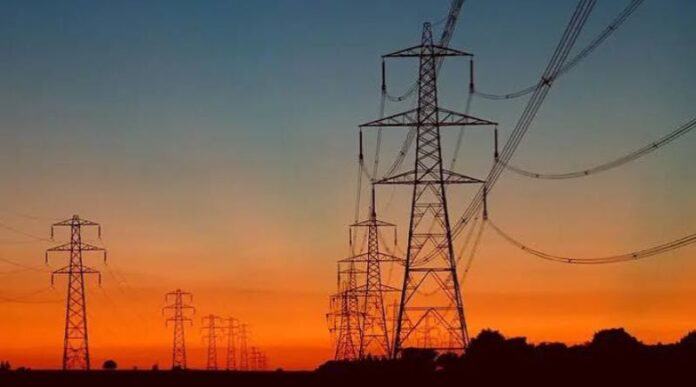

Pakistan’s plan to privatise major electricity distribution companies is moving forward, with strong interest from local and foreign investors. Gujranwala Electric Power Company (GEPCO), one of the country’s major power distribution companies, has attracted attention from a number of business groups from Pakistan, Saudi Arabia and Turkiye.
According to the latest developments, around 11 potential investors from Saudi Arabia, Turkiye and Pakistan have shown interest in acquiring GEPCO. The interest is part of the federal government’s wider plan to bring private investment into the electricity distribution sector and improve the performance of power companies.
The government is also working on the privatisation of Faisalabad Electric Supply Company (FESCO) and Islamabad Electric Supply Company (IESCO). Together, these three companies serve more than 14 million electricity consumers in important parts of Punjab and the Islamabad region.
The sale of these companies is being handled by the Privatisation Commission, which hopes that private sector management and investment will help reduce losses, improve electricity recovery and provide better services to consumers.
Strong Interest in GEPCO
GEPCO is an important electricity distribution company that serves a large number of consumers in central and northern Punjab. Due to its wide customer base and important service areas, the company is considered a valuable asset for potential investors.
The Privatisation Commission has been working to attract both Pakistani and international investors for the planned sale. As part of this effort, government representatives and financial advisers held meetings and roadshows in different countries, including Pakistan, Saudi Arabia, Turkiye and China.
These meetings were aimed at introducing investors to the business opportunities available in Pakistan’s power distribution sector. The government also explained the proposed structure for the sale of the electricity companies and discussed the possible role of private investors after privatisation.
The response from investors has been encouraging. Business groups from Saudi Arabia, Turkiye and Pakistan have shown interest in GEPCO, while investors from other countries have also been looking at opportunities in Pakistan’s electricity sector.
The government believes that foreign and local investment can help bring new ideas, better management systems and modern technology to the power distribution business.
Government Plans to Sell a Major Stake
The federal government has offered investors the chance to acquire between 51 percent and 100 percent shares in FESCO, GEPCO and IESCO. Buyers may also receive management control of the companies.
This means that successful investors could have a major role in running and managing the electricity distribution companies. The exact size of the stake may depend on the final structure of each transaction.
The government has said that the process will be carried out in an open and competitive way. Investors can take part individually or join with other companies to form a group or consortium.
For GEPCO, interested parties are expected to submit the required documents and information as part of the qualification process. The Privatisation Commission will then review the applications and decide which investors meet the required conditions.
Those who qualify will be allowed to move to the next stage of the process, where they can study the company in more detail before submitting formal offers.
The government hopes that competition among investors will help it receive strong bids for the company.
Saudi and Turkish Investors Take Interest
Saudi and Turkish investors have shown growing interest in Pakistan’s energy and infrastructure sectors. Their interest in GEPCO is part of this wider focus on investment opportunities in Pakistan.
Turkiye has strong experience in energy production, electricity distribution and infrastructure projects. Several Turkish companies have been involved in energy and construction projects in different countries. Their experience could make them important potential partners in Pakistan’s power sector.
Saudi investors are also looking for investment opportunities outside their own country as Saudi Arabia expands its economic and business links with Pakistan and other countries.
The interest from Saudi business groups is important because Pakistan wants to attract more investment from Gulf countries. The government hopes that stronger economic relations with Saudi Arabia will lead to greater investment in energy, mining, infrastructure and other major sectors.
Pakistani companies are also showing interest in GEPCO. Local investors understand the country’s business environment and may see the electricity distribution sector as an important long-term investment opportunity.
The participation of both local and foreign investors could make the privatisation process more competitive.
Why the Government Wants to Privatise Power Companies
Pakistan’s electricity distribution companies have faced many problems over the years. These include high power losses, electricity theft, poor bill recovery and weak financial management.
These problems have added pressure to the country’s power sector and have contributed to the long-running issue of circular debt.
The government believes that private ownership and management can help solve some of these issues. Private companies are expected to focus more strongly on improving efficiency, reducing losses and increasing bill collection.
Private investors may also bring money for upgrading old electricity networks. Many parts of Pakistan need modern distribution systems to handle growing electricity demand and reduce technical problems.
The government hopes that better management will improve the overall performance of the companies and reduce the financial burden on the national economy.
However, privatisation alone may not solve every problem. The success of the process will depend on strong regulation, clear rules and proper monitoring of the new private operators.
The government will need to make sure that private companies continue to provide fair and reliable services to electricity consumers.
Investors Want Clear Rules and Guarantees
Although investor interest is strong, potential buyers have also raised important concerns about the conditions of the sale.
Investors want a clear and predictable business environment before they commit large amounts of money to Pakistan’s power distribution companies.
One major demand is for a longer multi-year tariff system. Investors have argued that a tariff period of seven to 10 years would give them more confidence when making long-term investments.
They also want protection against sudden changes in regulations or policies. Investors are concerned that business arrangements agreed at the time of privatisation could later be changed by the government or challenged through legal and regulatory decisions.
For this reason, many potential investors want stronger contractual protection and clear rules before the bidding stage begins.
They also want the government to provide details about investment plans, expected spending and tariff arrangements in advance.
These demands show that investor interest is real, but serious investment will depend on the final conditions offered by the government.
Freedom to Buy Electricity
Another important issue for investors is the ability of privatised distribution companies to buy electricity from different suppliers.
Many potential investors want greater freedom in purchasing power from competitive sources. They believe this could help distribution companies obtain electricity at better prices and improve their business performance.
Investors have also expressed concerns about being forced to take responsibility for expensive old agreements with independent power producers.
As electricity markets change and consumers increasingly look for cheaper energy options, investors want more flexibility in managing their power supply.
The government will need to decide how much freedom private distribution companies will receive after privatisation.
This will be an important part of the new business model for companies such as GEPCO.
Other Business Opportunities
Potential buyers are not only looking at electricity distribution. They also see other possible ways to earn revenue through the companies’ existing assets and large customer networks.
For example, distribution companies have infrastructure that could potentially support telecom services, electric vehicle charging stations and smart metering systems.
Smart meters can help companies monitor electricity use more effectively and reduce losses. They can also improve billing and help consumers better understand their electricity consumption.
Electric vehicle charging is another area that could grow in the coming years as Pakistan gradually moves towards cleaner transport options.
Investors believe that these additional businesses could increase the value of electricity distribution companies.
However, they want clear government rules about how these businesses will operate and how any additional income will be managed.
Concerns About Foreign Exchange Risk
Foreign investors have also raised concerns about Pakistan’s currency situation.
International companies may need to bring money from outside Pakistan or borrow funds from foreign lenders to invest in the electricity distribution sector.
If the Pakistani rupee loses value against major foreign currencies, the cost of foreign loans and investment can increase.
Investors are also concerned about taking profits or dividends out of Pakistan in foreign currency.
These issues are important because foreign investors usually consider currency risk before making major investments.
The government may need to provide a clear framework to address these concerns if it wants to attract strong international bids for GEPCO and other distribution companies.
FESCO and IESCO Also Part of the Plan
GEPCO is not the only electricity company being prepared for private sector investment.
FESCO and IESCO are also part of the first group of distribution companies being offered for privatisation.
The government invited expressions of interest for all three companies. FESCO has already received strong attention from both Pakistani and foreign investors.
The interest in FESCO has been seen as a positive sign for the wider privatisation programme. It shows that investors are willing to consider opportunities in Pakistan’s electricity distribution sector.
The process for GEPCO and IESCO is also expected to attract strong interest.
Each company serves important economic and population centres, making them valuable assets for investors who believe they can improve their operations and financial performance.
What Happens Next?
The next step will involve reviewing the applications submitted by interested investors.
The Privatisation Commission will examine the financial strength, business experience and other qualifications of each applicant.
Investors who meet the required conditions will be shortlisted for the next stage.
They may then be given access to detailed company information so they can carry out proper checks before deciding whether to submit a final bid.
The government will also continue working on the post-privatisation rules for the electricity companies.
This includes decisions about tariffs, regulation, investment requirements and the level of freedom private companies will receive.
These matters will be important in deciding whether interested investors move forward with serious bids.
The government wants the entire process to be transparent and competitive. It hopes that strong participation from Pakistani, Saudi, Turkish and other investors will help achieve a successful sale.
What Privatisation Could Mean for Consumers
Many electricity consumers will be watching the privatisation process closely.
The main question for the public is whether private management will lead to better service.
If private companies invest in modern networks, improve billing systems and reduce technical losses, consumers could benefit from fewer power problems and better customer service.
However, consumers will also be concerned about electricity prices.
The government and regulators will need to make sure that private investors earn reasonable returns without placing an unfair burden on ordinary consumers.
A strong regulatory system will therefore remain necessary even after privatisation.
The regulator will have an important role in monitoring service quality, tariff decisions and the performance of private electricity companies.
A Major Test for Pakistan’s Power Sector
The planned sale of GEPCO is an important part of Pakistan’s wider effort to reform its power sector.
Strong interest from around 11 Saudi, Turkish and Pakistani investors shows that the company has attracted attention from the business community.
However, interest alone does not guarantee a successful sale.
The government will need to provide clear rules, stable policies and a business environment that gives investors confidence.
Potential buyers want longer tariff arrangements, stronger protection from sudden regulatory changes and greater operational freedom.
If these concerns are properly addressed, Pakistan may receive strong and competitive bids for GEPCO.
The privatisation of GEPCO, along with FESCO and IESCO, could become an important step in changing how electricity distribution companies are managed in Pakistan.
The final outcome will depend on the government’s ability to balance the interests of investors, the public and the national economy.
For now, the strong interest from Saudi, Turkish and Pakistani investors is a positive sign. It suggests that there is real business potential in Pakistan’s electricity distribution sector.
As the privatisation process moves ahead, GEPCO will remain one of the key companies to watch. The sale could bring major changes to the company, its management and the future of electricity services in the areas it serves. The government will now be under pressure to complete the process in a fair and transparent way while ensuring that the final deal benefits Pakistan’s power sector and its electricity consumers.
Background details in this rewrite reflect the current GEPCO/FESCO/IESCO privatisation framework and investor interest reported by the Privatisation Commission and recent coverage of the process.
Read Also: check


