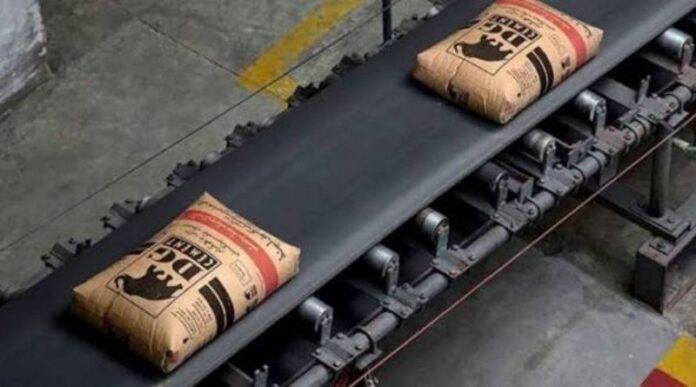

DG Khan Cement Company Limited has reported its highest-ever annual profit, marking a major achievement for one of Pakistan’s leading cement companies. The company earned around Rs. 11.4 billion in profit during the financial year 2026, showing a strong improvement in its overall business performance compared with the previous year.
The strong annual result was mainly supported by better cement sales in Pakistan, improved prices, and a major reduction in financing costs. These factors helped DG Khan Cement increase its earnings and reach a new record level of profitability.
The company’s latest performance has also attracted the attention of investors and market experts, especially because the cement sector has faced many challenges in recent years. Higher energy costs, rising interest rates, expensive raw materials, and changes in construction activity have created pressure for many cement companies. However, DG Khan Cement managed to improve its financial position despite these challenges.
The record profit shows that the company benefited from stronger local demand, better pricing, and lower financial expenses during FY26.
Highest Annual Profit in Company History
The Rs. 11.4 billion annual profit is the highest profit reported by DG Khan Cement so far. The result represents an important milestone for the company and highlights a strong improvement in its business operations.
According to the reported financial performance, the company’s profitability increased significantly during FY26. The rise in profit came as cement sales improved and the company was able to retain better prices in the local market.
The company also received a major benefit from lower financing costs. In Pakistan, high interest rates can create serious pressure on companies that have borrowed money from banks or other financial institutions. When financing costs are high, a large portion of a company’s income can be used to pay interest and other financial charges.
For DG Khan Cement, the sharp decline in these expenses helped increase the amount of money left as profit after other costs were paid.
The company’s performance suggests that several positive factors worked together during the year. Higher sales helped increase revenue, improved prices supported profit margins, and lower financial costs gave an additional boost to the company’s bottom line.
Earnings Per Share Also Show Strong Growth
DG Khan Cement’s earnings per share, commonly known as EPS, also showed a strong increase during the financial year.
The company’s EPS reportedly rose by around 32 percent year-on-year to Rs. 26.08 in FY26, compared with Rs. 19.80 in FY25.
EPS is an important number for shareholders and investors because it shows how much profit a company earns for each share. When earnings per share increase, it generally means that the company has improved its profitability.
The rise in EPS reflects the overall improvement in DG Khan Cement’s financial performance. It also shows that the company was able to generate higher earnings for its shareholders during the year.
For investors watching the Pakistan Stock Exchange, strong growth in EPS is often seen as a positive sign. However, investment decisions depend on many factors, including future profits, company debt, market conditions, industry performance, and the overall economic situation.
Still, the latest results clearly show that FY26 was a strong year for DG Khan Cement.
Better Local Cement Sales Support Growth
One of the main reasons behind the company’s improved performance was stronger cement sales in the local market.
Local cement dispatches increased by around 4 percent during FY26. This increase may appear limited, but in a large and competitive industry like cement, even a moderate rise in sales can have a positive impact on revenue and profits.
Higher local dispatches meant that DG Khan Cement was able to sell more cement within Pakistan. Stronger sales helped the company improve its revenue and make better use of its production capacity.
The cement industry is closely linked with construction activity. Demand for cement usually depends on several areas, including housing projects, commercial buildings, roads, infrastructure schemes, and government development projects.
When construction activity improves, cement demand can also rise. On the other hand, slower construction activity can reduce sales and create pressure on cement manufacturers.
DG Khan Cement’s stronger local sales during FY26 therefore played an important role in helping the company achieve its record annual profit.
The increase also shows that the company was able to maintain its position in the domestic market despite competition from other major cement manufacturers in Pakistan.
Improved Cement Prices Help Profit Margins
Another important factor behind the record profit was the improvement in retention prices.
Retention prices increased by around 8 percent compared with the previous year. This helped DG Khan Cement earn better revenue from its sales and improve its profit margins.
Retention price is the amount of money a cement company actually receives after taking different costs and adjustments into account. When this price improves, a company can earn more from each unit of cement sold.
For cement manufacturers, better pricing is very important because production costs can be high. Companies have to deal with expenses related to coal, electricity, fuel, transportation, labour, maintenance, and other operational needs.
If costs rise but selling prices do not increase enough, profit margins can come under pressure. However, if a company is able to maintain or improve its effective selling price, it can protect or increase its profitability.
DG Khan Cement benefited from an 8 percent improvement in retention prices, which supported both revenue growth and margins.
The combination of higher cement sales and better pricing created a strong base for the company’s improved financial results.
Major Decline in Financing Costs
Perhaps one of the biggest factors behind DG Khan Cement’s record annual profit was the sharp reduction in financing costs.
The company’s finance costs reportedly fell by around 67 percent during the year. This was a major improvement and gave strong support to the company’s final profit.
Financing costs mainly include interest and other charges paid on loans and borrowings. Companies that have high debt can face heavy financial expenses, especially when interest rates are high.
In recent years, financing costs have been a major concern for many businesses in Pakistan. High interest rates increased borrowing costs and created pressure on companies that relied heavily on loans.
For a large industrial company, even a small change in financing expenses can have a significant impact on annual profit. Therefore, a sharp decline in finance costs can improve profitability even if sales growth remains moderate.
DG Khan Cement’s lower financial expenses meant that more of its income could be retained as profit.
This reduction in financing costs, combined with improved sales and prices, played a key role in taking the company’s profit to a record level.
A Strong Year for DG Khan Cement
Overall, FY26 was a strong year for DG Khan Cement.
The company was able to improve its financial performance through a combination of positive factors. Local cement dispatches increased, retention prices improved, and financing costs declined sharply.
Each of these factors helped the company, but together they produced an even stronger result.
The increase in sales supported revenue growth. Better prices helped protect and improve profit margins. At the same time, lower financing costs reduced the financial burden on the company.
As a result, DG Khan Cement was able to post its highest-ever annual profit of around Rs. 11.4 billion.
The result is particularly important because Pakistan’s cement industry has faced difficult conditions over the past few years. Rising costs, high interest rates, economic uncertainty, and changes in construction demand have made it challenging for cement companies to maintain strong profits.
DG Khan Cement’s latest performance shows that better business conditions and improved financial management can make a major difference to profitability.
Cement Sector Continues to Face Challenges
Despite the strong result, the cement industry still operates in a challenging environment.
Cement companies in Pakistan remain affected by energy prices, fuel costs, interest rates, government policies, taxes, transportation expenses, and demand from the construction sector.
Coal is an important source of energy for cement production, and changes in international coal prices can directly affect manufacturing costs. Electricity and fuel expenses also remain important issues for the industry.
Transport costs are another major concern because cement is a heavy product and must be moved from factories to dealers, distributors, and construction sites.
In addition, competition among cement manufacturers can create pressure on prices. If demand is weak and companies compete aggressively for market share, profitability can suffer.
Therefore, while the latest annual results are positive for DG Khan Cement, the company will still need to manage its costs carefully and maintain healthy sales growth in the future.
Strong Results May Improve Investor Confidence
The record annual profit may also strengthen confidence among the company’s shareholders and investors.
Financial markets usually react positively when a company reports stronger profits, rising earnings per share, and improved financial expenses. Investors often look closely at these numbers to understand whether a company is becoming stronger or weaker.
DG Khan Cement’s results show that its profitability improved during FY26.
The rise in EPS to Rs. 26.08 also provides another positive point for shareholders. Higher earnings per share suggest that the company generated more profit for each share during the year.
However, investors will also continue to watch future results, the company’s debt position, cement demand, pricing trends, and the overall performance of Pakistan’s economy.
The future performance of the construction sector will also remain important because cement companies depend heavily on development and building activity.
What the Record Profit Means Going Forward
DG Khan Cement’s record profit is an encouraging sign, but maintaining strong growth in the future will depend on market conditions.
If local cement demand continues to improve and companies are able to maintain healthy prices, the sector could benefit. Lower interest rates and reduced financing costs could also support future profits.
However, the industry will still face risks from rising production costs and changes in demand.
For DG Khan Cement, the main challenge will be to continue building on the strong performance of FY26.
The company will need to maintain its sales, manage expenses, control its financial costs, and respond to changes in the market.
The strong FY26 result gives the company a solid position, but future success will depend on how well it manages changing economic and industry conditions.
Conclusion
DG Khan Cement’s highest-ever annual profit of Rs. 11.4 billion marks a major achievement for the company. The strong result was driven by improved local cement sales, better retention prices, and a sharp reduction in financing costs.
Local cement dispatches increased by around 4 percent, while retention prices improved by approximately 8 percent. At the same time, financing costs fell sharply, providing a major boost to the company’s profitability.
The company’s earnings per share also increased strongly to Rs. 26.08 in FY26 from Rs. 19.80 in FY25, showing solid growth in earnings.
Overall, the financial year 2026 was a record period for DG Khan Cement. The company managed to improve its performance despite the challenges facing Pakistan’s cement industry.
With stronger domestic sales, improved pricing, and lower financial expenses, DG Khan Cement reached a new level of profitability and delivered its best annual profit in the company’s history.
Read Also: check