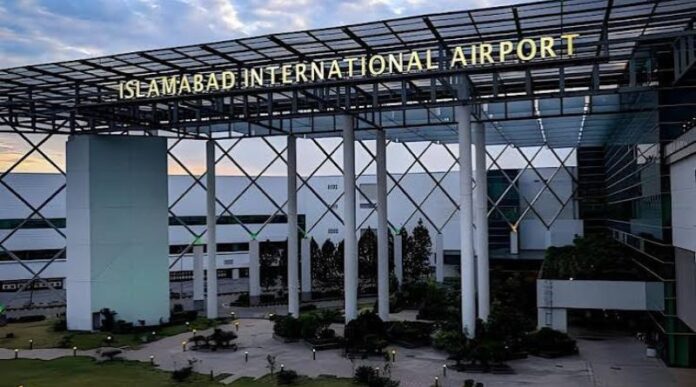

Pakistan has taken an important step toward handing over the operations of Islamabad International Airport to a private-sector operator. The government has signed an agreement with the Asian Development Bank (ADB) to help manage and guide the outsourcing process.
The agreement is being seen as a major development in Pakistan’s long-running plan to bring private-sector participation into the country’s airport operations. Under the plan, Islamabad International Airport will be offered to a qualified private company through a competitive bidding process and a long-term concession arrangement.
The government believes that bringing an experienced private operator into the airport can improve services, make operations more efficient and attract international investment. At the same time, the process is expected to reduce some of the financial pressure on the government and improve the overall management of a major national airport.
Pakistan Signs Agreement With Asian Development Bank
On July 15, 2026, Pakistan’s Privatisation Commission and the Asian Development Bank formally signed a Transaction Advisory Services Agreement (TASA) for the outsourcing of Islamabad International Airport.
The agreement was signed by ADB Pakistan Country Director Emma Fan and Privatisation Commission Director General Shahid Dayo. The deal makes the ADB an important adviser in the airport outsourcing process.
The ADB will not simply provide financial advice. Its role covers several important areas needed to prepare the airport for a private operator. These include technical, financial, legal, environmental and commercial matters.
This means the bank will help the government prepare the transaction, decide how the outsourcing arrangement should be structured and support the process until the private-sector operator is selected.
The involvement of an international development institution is also expected to help make the process more open and competitive. The government wants to attract strong international airport operators and investors instead of limiting the process to a small number of local companies.
What Does Airport Outsourcing Mean?
Airport outsourcing does not mean that Pakistan is selling the entire Islamabad International Airport to a private company.
Instead, the government plans to give a private operator the right to manage and operate the airport under a long-term concession agreement. The airport will remain an important national asset, while its day-to-day operations can be handled by a private-sector company.
This model is already used in many countries. Private companies can bring management skills, modern systems, better customer service and investment experience to airport operations.
For Pakistan, the main goal is to improve the way the airport is operated while reducing the burden on the public sector.
The government plans to select the operator through competitive bidding. This means interested companies are expected to compete for the right to operate the airport, with the final agreement based on clearly defined terms and conditions.
ADB to Help Structure the Deal
One of the biggest responsibilities of the ADB will be helping Pakistan structure the transaction properly.
Airport outsourcing is not a simple process. It involves financial planning, legal agreements, technical requirements, environmental matters, commercial conditions and rules for the future operator.
The ADB will provide advice across these areas so that the government can prepare a workable agreement that meets international standards.
According to the Privatisation Commission, the advisory services are designed to support the structuring and implementation of the transaction while following international best practices. The process is also expected to be transparent, competitive and market-driven.
This is important because the government wants to attract serious international airport operators. A clear and properly prepared transaction can give potential investors greater confidence.
Government Wants Better Airport Services
The outsourcing plan is closely linked to the government’s efforts to improve the quality of public services.
Islamabad International Airport is one of Pakistan’s most important airports. It serves the federal capital and handles passengers travelling to and from different parts of Pakistan and other countries.
A professionally managed airport can have a direct impact on passengers. Check-in, baggage handling, parking, airport security support, shops, food outlets, passenger areas and other services all depend on efficient management.
The government hopes that a private operator with international experience can introduce better systems and improve the overall passenger experience.
The Privatisation Commission has said that private-sector participation is aimed at improving service quality while ensuring value for the people of Pakistan.
For ordinary passengers, the success of the plan will ultimately be judged by practical improvements. Shorter waiting times, cleaner facilities, better customer support, smoother baggage services and more organised airport operations would be some of the most visible benefits.
Part of Pakistan’s Wider Privatisation Programme
The Islamabad airport plan is not an isolated decision. It is part of the government’s wider programme to reduce the financial pressure caused by state-owned organisations and improve their performance.
Pakistan has been working on reforms linked to its economic programme with the International Monetary Fund (IMF). Improving the performance of state-owned entities and reducing the cost of poorly performing public institutions are important parts of these reforms.
The government is therefore looking at private-sector involvement as one way to improve the performance of selected public assets and services.
The airport outsourcing plan has been under discussion for several years. Previous governments also explored different ways of bringing private-sector management to Islamabad airport, but the process faced delays.
The latest agreement with the ADB gives the plan a fresh push and moves it closer to the stage where private companies can compete for the operating rights.
Competitive Bidding Will Be Used
The government has made it clear that Islamabad International Airport will be outsourced through a competitive bidding process.
This is an important part of the plan because the authorities want to attract qualified operators rather than simply select a company without competition.
A competitive process can also help the government receive better offers. Companies interested in operating the airport will have to meet the conditions set in the bidding documents and compete on the basis of the agreed requirements.
The Privatisation Commission has expressed confidence that the ADB’s experience will help the government complete the transaction efficiently while maintaining competition and transparency.
The success of this stage will depend heavily on how the bidding rules are prepared. Investors will want clear information about the airport, expected investment, operating responsibilities, revenue arrangements and the length of the concession.
Long-Term Concession Model
The airport is expected to be given to a qualified private operator under a long-term concession framework.
Under such an arrangement, the private company gets the right to operate the facility for an agreed period while following government rules and contractual conditions.
A long-term agreement can give the operator enough time to invest in equipment, systems, staff training and improvements. At the same time, the government can set performance requirements that the operator must meet.
This model can be useful for airports because large improvements often require significant investment and cannot be completed within a short period.
However, the terms of the agreement will be very important. The government will need to ensure that the private operator has clear responsibilities and that passenger interests remain protected.
Why the ADB’s Role Matters
The Asian Development Bank has experience working with governments on large infrastructure and private-sector transactions.
Its involvement can give the Islamabad airport process more confidence in the eyes of potential investors. International companies may be more willing to consider the opportunity when the transaction is supported by an established international financial institution.
The ADB’s role also covers areas beyond finance. It will provide technical, legal, environmental and commercial support, giving the government access to expertise needed for a complicated airport transaction.
This can help Pakistan avoid problems that may arise when a major public asset is prepared for private-sector management.
The aim is to create a deal that is attractive to investors but also protects the government’s interests.
What Could Change for Passengers?
For passengers, the most important question is what the outsourcing will actually change at the airport.
Private management could bring improvements in several areas. These may include better use of airport facilities, improved passenger services, stronger commercial activity and more efficient day-to-day operations.
International airport operators often have experience in areas such as airport retail, parking, passenger management and facility maintenance. Bringing this experience to Islamabad could help improve the airport’s overall performance.
However, outsourcing by itself does not guarantee better services. The final results will depend on the quality of the private operator and the rules included in the concession agreement.
The government will need to monitor the operator and make sure that agreed service standards are followed.
Government Must Protect Public Interest
While the government is focusing on efficiency and investment, public interest will remain an important part of the process.
Islamabad International Airport is a national asset, so any long-term agreement must be carefully designed. The government needs to make sure that the private operator has enough freedom to manage the airport efficiently while still operating within strong rules.
Issues such as passenger safety, service quality, airport charges, staff matters, security and future investment will need proper attention.
A transparent agreement can help avoid confusion later. Clear responsibilities for both the government and private operator will also make it easier to deal with problems if they arise.
A Step Toward Other Airport Reforms
The Islamabad airport outsourcing project could also become a test case for Pakistan’s wider plans for the aviation sector.
The government has previously indicated that it may look at similar arrangements for other major airports. Reports have said that advisory work for Karachi and Lahore airports could follow the Islamabad process.
If the Islamabad transaction is completed successfully, it could provide the government with useful experience for future airport projects.
On the other hand, if the process faces major delays or fails to attract strong investors, it could make future transactions more difficult.
This makes the Islamabad airport deal especially important for Pakistan’s privatisation programme.
What Happens Next?
With the ADB agreement now signed, the next stages will involve detailed work on the outsourcing transaction.
The ADB will assist the Privatisation Commission in preparing the structure and documents needed for the process. The government will then move toward inviting qualified private-sector operators to participate in the competitive bidding process.
Potential investors will likely study the airport’s operations, financial position, passenger traffic, commercial opportunities and future growth potential before deciding whether to bid.
The government has said it wants to complete the outsourcing during the current fiscal year.
This means the coming months could be important for the future of Islamabad International Airport.
A Major Test for Pakistan’s Privatisation Policy
The decision to involve the ADB shows that Pakistan is serious about moving ahead with the outsourcing of Islamabad airport.
The government wants the process to be transparent, competitive and attractive to international operators. At the same time, it hopes private-sector management will improve airport services and reduce pressure on the public sector.
For Pakistan, the project is bigger than just one airport. It is also a test of whether the country can successfully use private investment and management to improve major public assets.
If the transaction is handled carefully and the selected operator delivers on its commitments, Islamabad International Airport could see better services, improved efficiency and stronger commercial performance.
The ADB agreement is therefore an important first step, but the real test will come with the bidding process, selection of the operator and implementation of the long-term concession.
For now, Pakistan has moved the airport outsourcing plan forward after years of discussion. With the Asian Development Bank providing technical, financial, legal, environmental and commercial support, the government is preparing for the next stage of the process.
The coming months will show whether this latest effort can turn the long-delayed outsourcing plan into a successful private-sector partnership and bring visible improvements to one of Pakistan’s most important airports.
Read Also: check