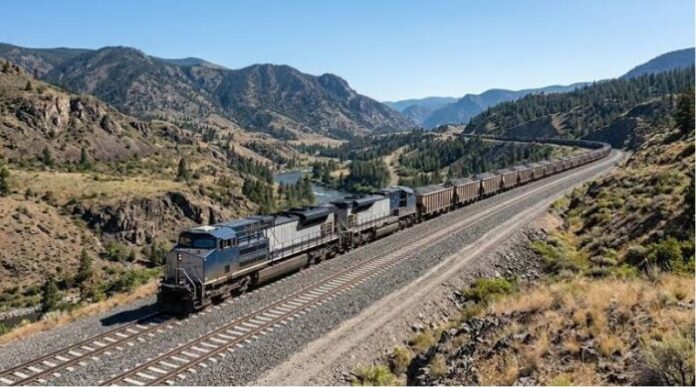

Pakistan is preparing for a major upgrade of its railway network to support the transportation needs of the Reko Diq mining project in Balochistan. The federal government plans to spend Rs. 278.6 billion on improving nearly 1,000 kilometres of Pakistan Railways’ Main Line-3, commonly known as ML-3.
The railway project is expected to play an important role in moving minerals from the Reko Diq copper and gold mine towards the country’s ports and export markets. Reko Diq is one of Pakistan’s most important mining projects and is expected to increase the country’s mineral exports in the coming years.
According to project documents, the planned railway upgrade will cover around 996 kilometres of track between Rohri and Koh-e-Taftan. The work is expected to be completed by 2033. The project will be carried out in different stages and will include the renewal of railway tracks, repair and rebuilding of important structures, construction of new stations, and improvements in communication systems.
However, while the project is considered important for the future of Reko Diq and Pakistan’s mineral sector, some financial and planning concerns have also been raised. Questions have been asked about the repayment of the temporary financing, future revenue, security expenses, and the long-term financial strength of the project.
Why the ML-3 Upgrade Is Important
The main purpose of the ML-3 project is to provide a reliable railway system for transporting large amounts of minerals from the Reko Diq mining area. The existing railway infrastructure on this route is old and needs major improvement.
Reko Diq is located in Balochistan and is expected to produce large quantities of valuable minerals, mainly copper and gold. Once mining activity increases, Pakistan will need a strong and dependable transport system to move mineral material from the project area.
Transporting such large quantities by road would be difficult and expensive. Heavy trucks would also put pressure on the existing road network. Railways can move large amounts of freight more efficiently and may help reduce pressure on roads.
For this reason, the government considers the ML-3 upgrade an important part of the wider transport system linked with the Reko Diq project. Pakistan Railways has also identified the ML-3 upgrade as a priority project for moving copper concentrate from Reko Diq towards the country’s export routes.
The 996-Kilometre Railway Corridor
The proposed upgrade will cover a 996-kilometre railway route from Rohri through Sibi and Quetta towards Koh-e-Taftan. This is a long and strategically important railway corridor, particularly for Balochistan and Pakistan’s future mineral trade.
Under the project, more than 830 kilometres of railway track are expected to be renewed or improved. Important sections of the route will also be rebuilt where necessary. The plan includes work on bridges, railway embankments, communication systems and other important parts of the railway network.
The project will also include the construction of 11 new railway stations. These improvements are expected to make the railway system safer and more useful for future freight movement.
The government hopes that the upgraded line will improve the speed and capacity of trains. It is also expected to reduce delays and lower the chances of derailments. Better railway infrastructure could also improve fuel efficiency and reduce the time required to move freight over long distances.
A Two-Phase Project
The ML-3 upgrade is expected to be carried out in two major phases and divided into four different packages. This approach will allow the government and Pakistan Railways to focus first on the most important parts of the railway route.
The first phase is expected to run from 2026 to 2030. During this period, the government plans to complete major and urgent infrastructure work needed for the transportation requirements of the Reko Diq project.
The remaining priority work is expected to be completed during the second phase, which is planned for the years 2031 to 2033.
Dividing the project into phases can help Pakistan manage such a large development programme. A project covering almost 1,000 kilometres of railway requires detailed planning, large amounts of funding, specialised equipment and strong coordination between different government departments and companies.
How Will the Project Be Financed?
One of the most important parts of the ML-3 project is its financing arrangement. The government plans to use a combination of temporary bridge financing and money from the Public Sector Development Programme, or PSDP.
The Reko Diq Mining Company, also known as RDMC, is expected to provide bridge financing of $390 million. This temporary financing is meant to support the project before the government arranges longer-term funding.
However, the federal government will have to repay the $390 million amount through a single lump-sum payment by June 2028. The Ministry of Finance will be responsible for arranging the funds needed for repayment.
This means the financing arrangement gives the project access to money in the short term, but the government will still have to find a large amount of money for repayment within a limited period.
In the long run, the project is expected to receive support through the federal government’s PSDP. However, this financing structure has also raised concerns because a major repayment will have to be made within a relatively short time.
Concerns About Financial Viability
The Planning Commission has raised several important questions about the financial side of the ML-3 project. One of the biggest concerns is whether the project has enough detailed planning to show how it will recover its costs and remain financially useful in the future.
According to the concerns raised, a complete cost-benefit study has not been provided. There are also questions about future freight revenue and the charges that may be paid for transporting minerals.
Another important issue is the lack of a clear revenue-sharing arrangement with the Reko Diq Mining Company. Since Reko Diq is expected to become the main customer for the railway line, a clear plan for future income is important.
The Planning Commission has also pointed out the risk of depending heavily on a single major customer. If the railway project relies mainly on freight from Reko Diq, any delay or major change in mining activity could affect railway revenue.
These concerns do not mean that the project will not go ahead. Instead, they show that the government needs strong financial planning to ensure that the railway upgrade provides long-term benefits and does not create unexpected pressure on public finances.
Security Costs Are Also High
Security is another major part of the ML-3 project, especially because the railway route passes through a long and sensitive region.
Project documents estimate security costs at around Rs. 46.38 billion. This is a significant amount and represents nearly 17 percent of the total project cost.
Security arrangements will be needed during construction, transportation of machinery and equipment, and the future operation of the railway line. Because of the size and importance of the Reko Diq project, the railway connection will also become an important part of Pakistan’s wider economic infrastructure.
The high cost of security has therefore become another issue raised by government planners. Long-term security planning will be important because the railway corridor will continue to be used even after the main construction work is completed.
Existing Railway Infrastructure Needs Improvement
The current railway infrastructure on parts of the ML-3 route is in poor condition. Some sections of the track have already passed their normal useful life and now need major repair or replacement.
Because of the poor condition of the railway line, trains have been forced to travel at very low speeds on some sections. This makes rail transport slow and less useful for carrying large amounts of freight.
The Quetta-Taftan section has also faced serious difficulties. Passenger services have been affected, while freight activity on the route has remained limited.
Once the railway line is upgraded, the government expects a major improvement in speed, capacity and reliability. This could make the route more useful not only for Reko Diq minerals but also for other trade and transport needs in the future.
Benefits for Pakistan’s Mineral Exports
One of the biggest expected benefits of the ML-3 upgrade is the support it could provide to Pakistan’s mineral exports.
Reko Diq is a major copper and gold project, and its future success depends heavily on a reliable transport system. Minerals need to be moved from the mining area to processing facilities, ports and international markets.
A strong railway system can provide a cheaper and more efficient way to move large volumes of material. It can also reduce the pressure on roads and lower the need for heavy truck transport over long distances.
If the railway system works as planned, it could help Pakistan increase exports from the mining sector. Higher exports could support economic growth, bring foreign exchange into the country and create more business activity.
The development of Reko Diq could also encourage further investment in Pakistan’s mineral sector. A better transport network would make it easier to develop other mining projects in Balochistan in the future.
Potential Benefits for Balochistan
The railway upgrade could also bring wider benefits for Balochistan. Large infrastructure projects often create demand for workers, contractors, transport companies and other local services.
During the construction phase, the project may create employment opportunities for people connected with railway work, construction and related industries.
In the long term, better railway infrastructure could support wider economic activity in areas connected to the route. Improved transport links can make it easier to move goods and connect businesses with larger markets.
The Reko Diq project and its related railway development are also expected to increase attention on the wider mineral potential of Balochistan. The province has significant natural resources, but development depends on transport, security, investment and proper infrastructure.
A reliable railway network could therefore become an important part of future economic development in the region.
Better Regional Connectivity
The ML-3 corridor is not only important for Reko Diq. It also has wider value for regional trade and connectivity.
The route connects parts of Pakistan with the western border region and could support trade links with Iran and other regional markets. Improved rail infrastructure may also strengthen Pakistan’s role in future transport and trade routes.
Officials believe the upgraded railway corridor could improve connections towards Iran and Turkiye while also supporting access to wider markets in Central Asia and Europe.
However, these wider benefits will depend on future trade agreements, border facilities and regional railway cooperation. Still, the improvement of the ML-3 route could provide Pakistan with more opportunities for trade in the future.
Challenges After Completion
Completing the railway upgrade will not be the end of the project’s challenges. The railway line will also need regular maintenance and long-term financial support.
One concern raised in the project documents is that there is no clear funding plan for operation and maintenance after the project is completed.
This is important because large infrastructure projects can lose their value if they are not properly maintained. Railway tracks, bridges, stations and communication systems all require regular inspection and repair.
The government will therefore need to prepare a long-term plan for operating the upgraded railway line. It will also need to ensure that freight revenue and other income are enough to support future costs.
Strong management will be necessary to make sure that the investment continues to benefit Pakistan for many years.
The Road Ahead
Pakistan’s plan to spend Rs. 278.6 billion on the ML-3 railway upgrade shows how important the Reko Diq project has become for the country’s economic plans.
The project could provide the transport system needed to move large quantities of minerals from Balochistan. It could also improve railway infrastructure, support exports, create economic opportunities and strengthen regional connectivity.
At the same time, the government must address the financial and planning concerns surrounding the project. The repayment of the $390 million bridge financing by June 2028 will require careful financial management. Questions about revenue, security costs, dependence on Reko Diq and future maintenance must also be answered.
If these challenges are handled properly, the ML-3 upgrade could become one of the most important railway projects linked with Pakistan’s future mineral economy. The next few years will be important as the government moves ahead with construction and financing plans.
The success of the project will depend not only on completing the railway line but also on ensuring that it remains financially sustainable, safe and properly maintained. If Pakistan manages this successfully, the upgraded ML-3 corridor could help support Reko Diq, strengthen the country’s railway network and open new opportunities for mineral exports and regional trade.
Read Also: check