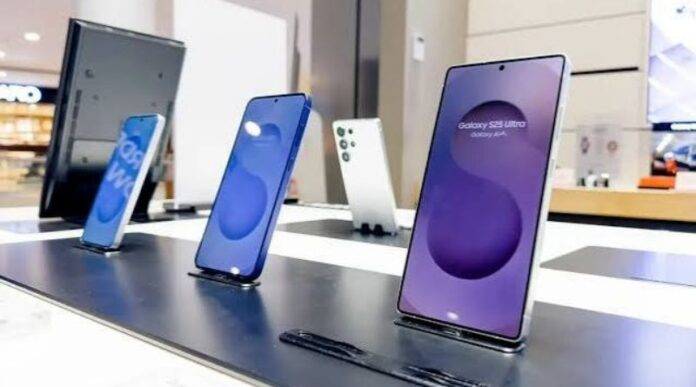

More than two months have passed since the government announced a plan that was expected to give major relief to people importing expensive mobile phones. The proposal was meant to allow users to pay mobile phone taxes in installments instead of paying the full amount at one time. However, despite the announcement and legal approval, Pakistani consumers are still waiting for a proper system that they can actually use.
The installment facility was included in the Finance Bill 2026-27 and became part of the Finance Act from July 1, 2026. The move created hope among people who buy or import expensive smartphones and have to pay high taxes to get their devices registered for use in Pakistan.
For many users, especially those purchasing premium flagship phones, the amount required for registration can be very high. In some cases, the total tax can reach six figures. The proposed installment plan was therefore seen as a useful step that could reduce the immediate financial burden on consumers.
However, the biggest problem is that the facility still exists mostly on paper. Although the law allows the possibility of paying the tax in installments, there is still no clear procedure explaining how ordinary users can apply for and use the service.
A Promising Plan That Is Still Not Available
The proposal gained attention when it was confirmed during discussions on the federal budget for the 2026-27 financial year. The measure was expected to allow taxes on imported new and used mobile phones to be paid in installments instead of requiring the full amount upfront.
The main purpose was simple. People importing expensive smartphones would no longer have to arrange the complete tax amount immediately. Instead, they could spread the payment over a certain period and make the financial burden easier to manage.
However, while the law created room for an installment facility, the actual method for using it was left to be announced later.
That later procedure is still missing.
As a result, consumers who want to use the installment option still do not know where to apply, how many payments will be allowed, or what conditions they will have to meet. There is also no clear system available to show users how installment payments will work with mobile phone registration.
This has created frustration among people who were waiting for the new policy to become active.
The idea behind the plan was welcomed because of the high cost of registering premium smartphones. A person importing a costly flagship device can face a very large tax bill before being able to use the phone on Pakistani mobile networks.
The installment facility was expected to provide some relief. However, without a working process, users are still facing the same situation as before.
For now, they generally have to pay the required taxes in full before the phone can receive complete approval for use on local networks.
Why the Installment Option Matters
Mobile phones have become an important part of daily life. People use them for communication, banking, education, office work, online businesses, shopping, entertainment and many other activities.
At the same time, premium smartphones have become very expensive. Apart from the price of the phone itself, imported devices can also face heavy taxes and duties before they are registered for use in Pakistan.
For someone buying a costly phone, paying a large amount of tax in one payment can be difficult.
This is why the installment plan attracted so much attention.
The policy was expected to reduce the pressure of arranging the full tax amount at once. Instead of paying everything immediately, users could potentially divide the amount into smaller payments.
The facility was particularly important for people importing expensive new and used smartphones. Flagship devices from major global brands can carry very high registration taxes, making the final cost much higher for the buyer.
If a clear installment system becomes available, users may find it easier to legally register their phones rather than delaying the process because of the high upfront cost.
The legal proposal also indicated that the required tax would need to be fully cleared within the financial year in which the mobile phone was imported. This means the expected facility was not supposed to be an unlimited or long-term payment plan. Instead, users would have been given some flexibility to divide the payment over a limited period.
Major Questions Still Have No Answers
The biggest issue is the lack of details.
Consumers still do not know how the installment facility will actually work in practice.
Several important questions remain unanswered.
For example, there is no clear information about how many installments will be allowed. Users also do not know whether every imported phone will qualify for the facility or whether certain conditions will apply.
Another important question is the application process. It is still unclear whether consumers will need to apply through a government website, a bank, the device registration system or another platform.
There is also no official information about the payment method.
People want to know whether they will be able to make payments through banks, mobile banking apps, online payment services or other methods. They also want to know whether the facility will require any additional charges or special conditions.
The connection between installment payments and device registration is another major question.
Consumers need to know whether their phones will be registered after the first installment, after a certain percentage of the tax is paid, or only after the complete amount has been cleared.
Until the authorities provide proper rules, the public will remain uncertain about how the facility is supposed to work.
A policy announcement without a clear procedure creates confusion because people know that a facility has been approved but have no practical way to benefit from it.
This is exactly the situation facing mobile phone users at present.
Confusion Increased Because of Fake Notifications
The unclear situation also created an opportunity for false information to spread online.
Soon after the budget announcement, claims started appearing that monthly installments for mobile phone taxes had already been launched. These claims created hope among consumers who were waiting for the facility.
However, later reports made it clear that no working installment system had been officially introduced.
The confusion became even greater in July when a notification circulated on social media claiming that users could pay mobile phone taxes in installments through the Device Identification, Registration and Blocking System, commonly known as DIRBS.
PTA later rejected the notification and confirmed that it was fake.
The authority also clarified an important point about the roles of different government bodies. PTA handles the registration and compliance side of mobile devices through DIRBS, while the assessment and collection of taxes and duties on mobile phones fall under the responsibility of the Federal Board of Revenue, or FBR.
This means consumers need to be careful when they see announcements about mobile phone tax payments online. A genuine policy or payment procedure should come through official government channels.
The fake notification also showed how badly consumers need clear information about the promised installment plan. When people are waiting for a policy that has already been announced, they can easily believe false claims that appear to offer the service they have been expecting.
PTA has advised the public not to trust or share unverified notifications and to check official sources for accurate information.
Consumers Are Still Paying Upfront
Despite the budget announcement, the practical situation for consumers has not changed much.
People who want to register imported mobile phones are still waiting for a proper installment mechanism. In the absence of such a system, the expected benefit of the policy has not reached the public.
The original attraction of the plan was the possibility of avoiding a large one-time payment.
However, until the procedure is officially announced and a working system is launched, consumers cannot use the option in real life.
This is especially disappointing for people planning to import expensive smartphones. Many buyers may delay their purchase while waiting to see whether the installment facility becomes available.
Some users may also choose other options.
Reports suggest that some consumers use non-PTA flagship phones as secondary devices while keeping a lower-priced PTA-approved phone for their regular calls and mobile data.
Others may simply avoid buying expensive imported phones because of the high cost of registration.
This shows how an unimplemented policy can affect consumer decisions. The government may have announced a facility to make the system easier, but until it becomes operational, buyers are still forced to deal with the existing payment process.
The Government Needs to Give Clear Answers
The government and relevant authorities now need to explain when the installment facility will actually become available.
Consumers need a complete and simple procedure.
They should be clearly told:
- Who can apply for the installment facility
- Which mobile phones will qualify
- How many installments will be allowed
- How users can submit an application
- Which payment methods will be accepted
- Whether any additional conditions will apply
- How installment payments will be tracked
- When the phone will be registered for use
- What will happen if a payment is missed
- How the system will connect with DIRBS
Without these details, the policy remains unclear.
A simple and user-friendly system would be important. If the process becomes too complicated, the purpose of providing relief to consumers could be lost.
The authorities should also make sure that all official information is easy to understand. Many mobile phone users are not familiar with complex tax rules or government procedures.
The instructions should therefore be published in simple language and clearly explain every step.
A Good Idea Needs Proper Implementation
The installment plan itself could be a positive step if it is properly introduced.
The high upfront cost of mobile phone taxes can be difficult for many consumers. Giving users the option to divide the payment could make it easier for them to register their devices legally.
It could also encourage more people to bring imported phones into the official registration system instead of delaying registration because of the large one-time payment.
However, a policy cannot provide real relief until people can actually use it.
At the moment, the biggest issue is not whether the installment facility was approved. The bigger question is when the government will complete the missing procedure and launch the service for the public.
More than two months after the announcement, consumers are still waiting for a working mechanism.
The law may provide the option, but the practical system is still unavailable.
Until the relevant authorities announce the full procedure, explain the conditions and activate a proper payment mechanism, the much-talked-about installment facility will remain only a promise.
For Pakistani smartphone users, especially those planning to import costly flagship devices, the question is now very simple:
When will people actually be able to pay their mobile phone taxes in installments?
Until there is a clear answer and a working system, consumers will continue to face the same high upfront payment burden that the policy was expected to reduce.
Read Also: check