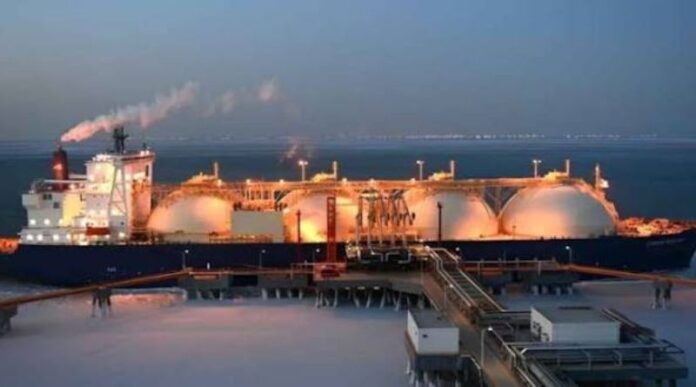

Pakistan’s electricity sector faced another major shock in July 2026 as the cost of producing power from regasified liquefied natural gas (RLNG) reached its highest level ever. The fuel cost of RLNG-based electricity generation jumped to around Rs47.38 per unit, marking a huge increase of nearly 115% compared to the same month last year.
The sharp rise has become a major concern for the government, power companies, industries, and ordinary electricity consumers. Even though RLNG made up only about 11% of the country’s total power generation during July, its very high cost played an important role in increasing the overall cost of electricity.
The situation has also raised concerns about future electricity bills. Power companies have already requested an increase of Rs2.52 per unit under the monthly fuel cost adjustment mechanism. If approved, consumers could face another rise in their electricity bills.
The main reason behind the increase is the sharp jump in the price of imported LNG. Pakistan had to buy several expensive LNG cargoes from the international spot market after regular supplies from Qatar were disrupted due to the regional conflict and supply problems.
Record Increase in RLNG-Based Electricity Cost
RLNG has traditionally been one of the important fuels used in Pakistan’s electricity sector. Several major power plants were built to run on imported LNG because it was considered a cleaner and more reliable option than furnace oil.
However, the latest figures show how costly this fuel has become.
In July 2026, the cost of electricity produced from RLNG rose to about Rs47.38 per unit. This was more than double the cost of around Rs22.03 per unit recorded in July 2025. The increase of around 115% made RLNG-based generation one of the most expensive major sources of electricity during the month.
What makes the situation more serious is that RLNG generation itself actually declined. Pakistan produced around 1,629 GWh of electricity from RLNG in July, which was about 33% lower than the electricity generated from this source during the same month last year.
This means Pakistan used less RLNG for power generation, but the electricity produced from it became much more expensive because the price of the fuel increased sharply.
Expensive LNG Cargoes Push Prices Up
The biggest reason for the record cost was the high price of LNG imported by Pakistan.
Normally, Pakistan receives LNG under long-term agreements, which usually provide more stable prices than the international spot market. However, supply disruptions forced the country to arrange expensive LNG cargoes from the spot market.
The situation became difficult after LNG supplies from Qatar were affected by the regional conflict involving the United States and Iran. Pakistan could not receive some planned supplies and had to depend on alternative and more costly cargoes.
The government purchased several LNG cargoes at much higher prices, and these costs were later passed through the RLNG supply system. As a result, the price of RLNG available for consumers and power plants increased sharply.
The higher price of imported LNG directly increased the cost of electricity produced at RLNG-based power plants. Since fuel is one of the biggest expenses for these plants, any major increase in LNG prices quickly affects electricity generation costs.
RLNG Prices Had Already Been Rising
The July increase did not come suddenly without warning. RLNG prices had already started moving upward in the previous months.
Earlier in the year, RLNG was available at a much lower price. However, supply disruptions and emergency purchases gradually pushed prices higher. By July, the cost of RLNG had already increased significantly compared with the beginning of 2026.
The increase became even more serious in August when RLNG prices rose again. The Oil and Gas Regulatory Authority notified a major increase in RLNG prices after expensive spot market purchases. The August price for SNGPL reached $25.83 per mmBtu, while the price for SSGCL was set at $25.09 per mmBtu.
This was a huge increase compared with the lower prices seen earlier in the year. It also created concerns that the cost of electricity generation could remain high in the coming months.
Overall Power Generation Cost Also Increased
The sharp rise in RLNG costs also affected Pakistan’s overall electricity generation expenses.
According to the available generation data, the average fuel cost of electricity increased significantly in July 2026. The fuel cost reached around Rs10.88 per unit, compared with about Rs7.78 per unit in July 2025.
This represented an increase of approximately 38% in one year.
The increase was not caused by RLNG alone. Other expensive fuels, including residual furnace oil and high-speed diesel, also added pressure to the overall generation cost.
However, RLNG remained one of the biggest reasons because its price per unit was extremely high. Even a smaller share of expensive power can increase the total average cost of the electricity system.
Pakistan generated around 15,122 GWh of electricity during July 2026, compared with around 14,123 GWh during the same month last year. So, electricity generation increased, but the cost of producing that electricity rose sharply as well.
Why a Small Share of RLNG Still Matters
At first glance, it may appear that RLNG should not have a major effect because it contributed only around 11% of the national electricity supply during July.
However, the situation is more complicated.
When electricity is produced from a fuel that costs Rs47 per unit, even a limited amount of generation from that source can raise the average cost of the whole system. This is especially important when the government and power companies have to manage electricity supply throughout the country.
Pakistan has cheaper sources of electricity, including hydropower, nuclear energy, local coal, wind and solar power. Some sources, especially hydropower and renewable energy, have little or no direct fuel cost.
But the electricity system cannot always depend on one source alone. Power demand changes throughout the day, and different plants are needed to maintain a stable electricity supply. When cheaper sources are not enough or when the system needs additional electricity, more expensive plants may have to be used.
This is why costly RLNG generation can still have a major effect on consumer bills even when its overall share is relatively small.
Cheaper Energy Sources Could Not Fully Protect Consumers
Pakistan received a large amount of electricity from cheaper sources during July. Around 40% of the power supply came from sources with zero fuel cost, mainly because of hydropower and renewable generation.
Nuclear power also remained much cheaper than RLNG. The fuel cost of nuclear electricity was only around Rs3 per unit during July.
Local coal and domestic gas were also far less expensive than imported RLNG. Electricity generated from local coal cost around Rs10.42 per unit, while local gas-based generation cost about Rs13.8 per unit.
In comparison, RLNG-based generation cost around Rs47.38 per unit.
Despite the strong contribution of cheaper sources, the use of costly fuels still increased the overall fuel cost. This shows that Pakistan’s power system remains sensitive to changes in international fuel prices.
Even when the country receives a large amount of cheap electricity, a sudden increase in imported fuel prices can still create problems for consumers.
Power Companies Seek Higher Fuel Charges
The increase in generation costs has now reached consumers.
The Central Power Purchasing Agency and power companies have requested an increase of Rs2.52 per unit under the fuel cost adjustment mechanism. The additional amount is linked to the higher cost of fuel used for electricity generation during July.
The request is expected to affect consumers of power distribution companies across Pakistan if approved by the relevant authorities.
The proposed increase would allow power companies to recover billions of rupees from consumers because the actual fuel cost was higher than the reference cost used for electricity billing.
According to the data submitted to the regulator, the actual fuel charge was much higher than the earlier reference level. This created a difference that the power sector wants to recover through the monthly adjustment.
The National Electric Power Regulatory Authority is expected to examine the request before making a final decision.
Consumers Could Face More Pressure
For ordinary consumers, the biggest concern is the possible increase in electricity bills.
A Rs2.52 per unit increase may have a serious effect on households with high electricity usage. For example, families using several hundred units every month could see a noticeable increase in their total bills.
The impact may also be difficult for businesses and industries.
Pakistan’s industries already face concerns about high electricity and energy costs. When power prices increase, the cost of manufacturing goods also rises. This can affect the prices of products and reduce the ability of Pakistani businesses to compete in international markets.
Small businesses may also struggle because they have fewer resources to manage higher electricity costs.
The rise in RLNG prices therefore does not affect only power plants. Its impact can spread across the economy through higher electricity bills, higher production costs and increased prices of goods and services.
August May Bring More Problems
The July figures are worrying, but the situation could become even more difficult because RLNG prices increased further in August.
The cost of RLNG rose sharply after Pakistan purchased expensive LNG cargoes from the spot market. The new prices were much higher than those recorded earlier in the year.
This means the impact of expensive LNG may continue to appear in future electricity bills.
Higher RLNG prices in August could lead to another increase in the fuel cost of electricity generation. If expensive fuel continues to be used by power plants, consumers may face further adjustments in the coming months.
The final impact will depend on several factors. These include the availability of cheaper electricity sources, water levels for hydropower, LNG supply conditions, international fuel prices and overall electricity demand.
If regular LNG supplies return and international prices fall, pressure on the electricity sector could decrease. However, if supply problems continue, Pakistan may remain exposed to expensive spot market purchases.
Pakistan’s Dependence on Imported Fuel
The latest situation has once again highlighted an important weakness in Pakistan’s energy system: dependence on imported fuel.
Pakistan does have several local and cheaper energy sources, but imported fuels are still important for meeting the country’s total energy needs.
When global fuel prices remain stable, this system can work without creating major shocks. But when international markets are disturbed by wars, political tensions or supply problems, countries that depend on imported fuel can face sudden price increases.
Pakistan has experienced this problem several times.
The current RLNG crisis shows that long-term energy planning is extremely important. The country needs to increase its use of cheaper local resources while also improving energy efficiency.
Hydropower, nuclear energy, local coal, wind and solar can help reduce dependence on costly imported fuels. However, each source has its own limitations and requires proper planning, investment and improvements in the electricity network.
A Warning for the Power Sector
The record increase in RLNG-based electricity generation cost is a serious warning for Pakistan’s power sector.
Pakistan cannot fully control international LNG prices or geopolitical events. However, it can reduce the damage caused by such events by building a stronger and more balanced energy system.
The country needs better planning for fuel purchases, stronger long-term supply arrangements and greater use of local and renewable energy sources. Improving the transmission system is also important so that cheaper electricity can be moved efficiently from one part of the country to another.
Pakistan also needs to manage electricity demand more effectively. The rapid growth of private solar systems is already changing the way people use electricity from the national grid. This creates new challenges because grid demand can fall during the day but remain high during evening hours.
A modern and flexible power system will be needed to manage these changes.
The Way Forward
The record cost of RLNG-based electricity is a reminder that Pakistan’s energy security is closely linked with global markets.
The country cannot stop all international price shocks, but it can reduce its dependence on expensive emergency fuel purchases. Increasing investment in local energy resources and renewable power can provide better protection against sudden changes in global fuel prices.
At the same time, power sector planning must focus on affordability. Consumers are already under pressure, and repeated increases in electricity bills can affect both households and businesses.
The rise of RLNG-based power generation to nearly Rs47.38 per unit is one of the clearest signs of how quickly international fuel problems can affect Pakistan’s electricity sector. Although RLNG contributed a limited share of total electricity generation, its record cost was enough to push overall fuel expenses higher.
The coming months will show whether LNG supplies become more stable and whether the pressure on electricity costs starts to ease. For now, however, Pakistan’s power sector remains exposed to the risks of expensive imported fuel, and consumers may continue to feel the impact through higher electricity bills.
Read Also: check