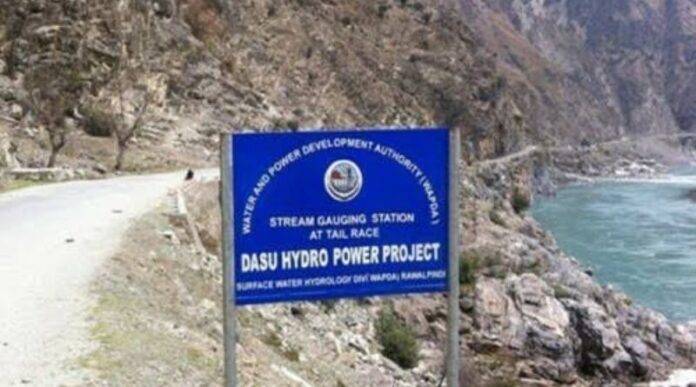

A major controversy has emerged around Pakistan’s important Dasu-Islamabad electricity transmission project after serious questions were raised about an amount of Rs. 1.282 billion that was allegedly added to the project cost despite not being part of the original bid evaluation.
The matter has now become a serious concern for the Senate Standing Committee on Economic Affairs. The committee has called for investigations into the alleged financial irregularities and has recommended action by the National Accountability Bureau (NAB) and the Federal Investigation Agency (FIA).
According to the Senate committee, the disputed amount was related to taxes and duties connected with Lot-IV of the 765kV Dasu-Islamabad Transmission Line Project. The committee noted that these charges were clearly excluded from the bid evaluation under the project’s bidding rules. However, the amount of Rs. 1.282 billion was later included in the price awarded to the contractor.
The issue has raised fresh questions about transparency, financial management, accountability and the protection of public money in Pakistan’s major power projects. The Senate committee believes that the matter needs a proper investigation to determine how the amount was added and whether any rules were ignored.
The 765kV Dasu-Islamabad Transmission Line is an important project because it is linked with the transfer of electricity from the Dasu hydropower project to major demand centres. Since it involves a huge amount of public and foreign funding, any alleged financial irregularity is a matter of serious public interest.
Senate Committee Raises Serious Questions
The Senate Standing Committee on Economic Affairs reviewed the issue during a meeting chaired by Senator Saifullah Abro. Representatives from several government and technical organisations, including the Economic Affairs Division, Power Division, National Grid Company, NESPAK and other relevant departments, were involved in discussions about the project.
The committee examined the details of the 765kV Dasu-Islamabad Transmission Line Project and expressed serious concern over the alleged addition of Rs. 1.282 billion to the project cost.
According to the committee, the amount related to taxes and duties that were not supposed to be included while evaluating the bids submitted by companies. The bidding documents reportedly made it clear that these taxes and duties would remain outside the bid evaluation process.
However, the Senate panel said that the same amount was later added to the price awarded to the joint venture responsible for the project.
This raised an important question: if the amount was not part of the bid evaluation, why was it later included in the final project award?
The committee has demanded a clear explanation and has expressed concern that the matter was not properly corrected despite being raised earlier.
Rs. 1.282 Billion at the Centre of the Dispute
The entire controversy revolves around Rs. 1.282 billion. This is a very large amount, especially when public money is involved.
According to the Senate committee, the amount was linked to taxes and duties under Lot-IV of the transmission line project. The committee said that the bidding conditions specifically excluded these charges from the evaluation of bids.
Normally, bidding rules are important because they help ensure that all companies competing for a contract are treated fairly. Every bidder is expected to follow the same conditions, and the authorities are expected to evaluate the bids according to the rules already set.
If a financial amount is excluded during the evaluation process but later becomes part of the awarded price, questions naturally arise about why the change was made and whether it followed the proper procedure.
The Senate committee believes that these questions must be answered through an independent and transparent investigation.
The committee has also raised concerns about the possible financial impact of the alleged irregularity on the national exchequer.
NAB and FIA Investigation Recommended
Due to the seriousness of the allegations, the Senate committee has recommended that NAB and the FIA investigate the matter.
The National Accountability Bureau deals with major corruption and financial misconduct cases, while the Federal Investigation Agency investigates different types of financial and criminal matters.
The committee believes that both institutions should examine the facts related to the Rs. 1.282 billion amount and determine whether any laws, rules or procurement procedures were violated.
An investigation may also help determine who was responsible for making or approving the decision to include the disputed amount in the final project price.
The Senate committee has stressed the importance of accountability because the project is connected with national infrastructure and involves a large amount of public resources.
If any wrongdoing is found, the responsible individuals could face legal or departmental action according to the findings of the investigation.
However, it is important to note that the matter remains under discussion and investigation. The allegations still need to be properly examined by the relevant authorities before any final conclusion can be reached.
Questions About Transparency and Procurement
The Dasu-Islamabad transmission project has once again highlighted the importance of transparency in government procurement.
Large infrastructure projects involve complex contracts, technical requirements, foreign financing and major financial decisions. Because of this, strong monitoring is necessary to make sure that public money is used properly.
The Senate committee has expressed concern about whether the bidding process was handled according to the rules and whether the conditions given in the original bidding documents were followed.
The committee noted that the disputed taxes and duties were reportedly excluded from the bid evaluation. Despite this, the amount was later included in the price awarded to the contractor.
This difference between the bidding conditions and the final awarded price is now one of the main issues that investigators may have to examine.
The committee has also expressed concern that the matter may not have been properly addressed by the concerned authorities despite being discussed previously.
Such cases can reduce public trust if they are not investigated openly. For this reason, the committee has stressed that there should be a proper record of every decision, every payment and every change made in the project.
Allegations of Attempts to Hide the Issue
Another serious concern raised by the Senate committee is the alleged attempt to conceal or avoid proper discussion of the matter.
The committee observed that the issue was reportedly not handled clearly during earlier departmental proceedings. Questions were raised about whether all relevant facts and figures had been properly presented before the concerned officials.
According to the committee, some officials involved in departmental proceedings were not fully aware of the actual details related to the disputed amount.
This increased the committee’s concern and strengthened its demand for an independent investigation.
For any major government project, accurate information is necessary. Officials responsible for reviewing financial matters must have access to complete records and correct figures.
If important information is missing, unclear or not properly presented, it becomes difficult to hold anyone accountable.
The Senate committee has therefore stressed that all documents and records related to the disputed Rs. 1.282 billion should be properly examined.
Possible Financial Loss to the National Exchequer
The Senate committee believes that the alleged irregularity may have caused a significant loss to the national exchequer.
Public money comes from taxpayers, government revenues and borrowed funds. Therefore, even a single irregular financial decision can create a major burden on the country.
Pakistan is already facing serious financial pressure and high costs in many development projects. Delays, changes in contracts and poor financial planning can make major projects much more expensive than originally expected.
This is why the committee wants the matter to be investigated thoroughly.
The purpose of such an investigation should not only be to identify possible wrongdoing but also to understand how the problem happened and how similar issues can be prevented in the future.
If the investigation finds that proper procedures were ignored, the government may need to improve its procurement and monitoring systems.
Importance of the Dasu-Islamabad Transmission Project
The Dasu-Islamabad Transmission Line is a major part of Pakistan’s electricity infrastructure.
The transmission network is designed to carry electricity from the Dasu hydropower project towards areas where demand for electricity is high. Pakistan needs strong transmission infrastructure because producing electricity alone is not enough. The electricity must also be moved safely and efficiently from power plants to cities, industries and other consumers.
Hydropower projects such as Dasu are also important because Pakistan wants to increase the use of local and renewable energy sources.
However, large projects must be completed with proper planning and strong financial control. Cost increases and alleged irregularities can create additional pressure on the national budget.
The latest controversy shows why independent oversight is important in major infrastructure projects.
Concern Over Delays in Taking Action
The Senate committee has also shown frustration over what it sees as delays or weak progress in resolving earlier concerns.
According to information discussed in Senate meetings, questions about the Rs. 1.282 billion amount have been raised before, but the committee believes that the issue has not been properly resolved.
The committee has therefore continued to press the concerned departments to take action.
In previous discussions, the Power Division reportedly said that audit findings had treated the payment as a procedural issue and suggested settlement. However, the Senate committee raised strong objections and questioned whether this was enough to close such a serious matter.
The committee has maintained that its concerns should not be ignored and that the disputed amount requires proper scrutiny.
It has also called for stronger action against officials if an investigation finds negligence or wrongdoing.
Why Accountability Matters
The Dasu transmission line controversy is another reminder that major development projects require strong accountability at every stage.
From the preparation of bidding documents to the selection of contractors and approval of payments, every step should be properly documented.
Clear rules can protect public money and reduce the risk of disputes.
When large amounts are involved, even a small change in the financial structure of a contract can have major consequences.
The Senate committee’s demand for an investigation reflects growing concern about how government departments manage major development projects.
A transparent investigation can help answer several important questions. Was the Rs. 1.282 billion amount added legally? Why was it included after reportedly being excluded from the bid evaluation? Who approved the decision? Were all procurement rules followed? Did the government suffer any financial loss?
The answers to these questions will be important not only for this project but also for future government contracts.
What Happens Next?
The matter is now expected to remain under the attention of the Senate Standing Committee and other relevant authorities.
The recommendations for NAB and FIA to investigate could lead to a detailed examination of the project’s financial records, bidding documents and decisions made by the concerned officials.
Investigators may review whether the disputed amount was included according to the contract and whether the responsible departments followed all required procedures.
The Senate committee has made it clear that it wants transparency and accountability in the matter.
For now, the Rs. 1.282 billion issue remains a serious allegation that needs to be fully investigated. No final conclusion should be reached until the relevant institutions complete their review and examine all available evidence.
However, the controversy has already raised major concerns about financial oversight in one of Pakistan’s important electricity transmission projects.
The case also shows the need for strong monitoring of public projects from the beginning to the end. Proper checks can help prevent financial disputes, reduce unnecessary costs and protect the money of the people.
As the investigation moves forward, the public will be waiting to see whether the authorities can clearly explain how the Rs. 1.282 billion was added to the Dasu-Islamabad transmission project and whether anyone will be held responsible for any proven irregularity.
The Senate committee’s call for action has made one thing clear: when major public funds are involved, transparency cannot be ignored. Pakistan’s large infrastructure projects need strong oversight, clear records and timely accountability so that development money is spent properly and national projects are completed in the public interest.
Read Also: check